Shopping · Shopping
Tax-free shopping in Japan from 1 November 2026: the new refund system step by step, and why Japan is changing it
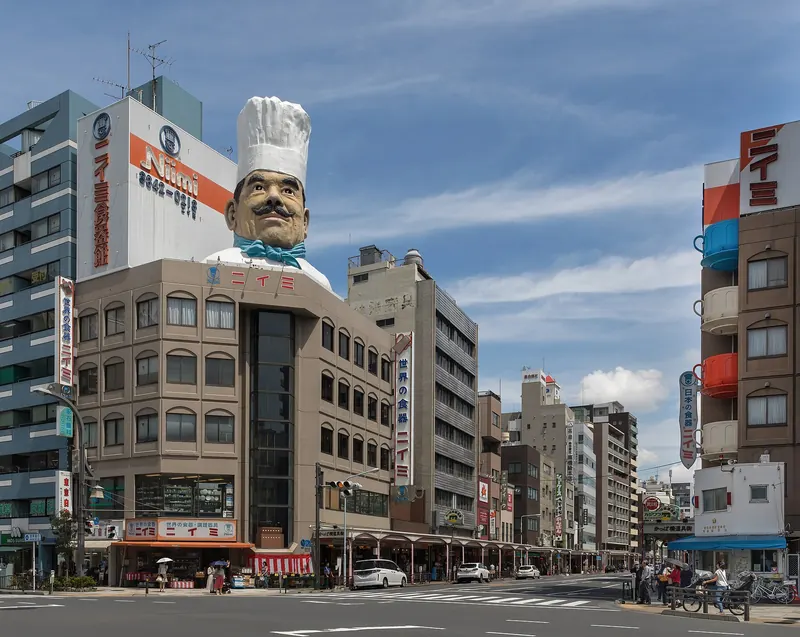
On 22 October 2026, a TV Asahi news crew went to Kappabashi, Tokyo's kitchenware street, to ask foreign shoppers about a change coming the following week. From 1 November 2026, tax-free shopping in Japan is no longer tax-free at the till. You pay the full price, consumption tax included, and you get the tax back only once a passport check at the airport proves you are taking the goods home. This guide walks through the new rules from the shop counter to the departure lobby, and sums up what the news report said about why Japan is making the change.
Last checked · Sources

In short
Tax-free shopping in Japan becomes a refund system for purchases from 1 November 2026. Visitors staying under six months still qualify when they spend 5,000 yen or more before tax in one shop on one day, but they now pay the price including tax. Within 90 days, and before checking in for the flight home, they scan their passport at a tax-free kiosk inside the international departure lobby with the goods to hand. A green result ends the check; a red one means showing the goods to customs. The shop or its refund agent then pays the tax back to a bank account or card, through an app, or in cash at the airport, depending on the shop. If anything bought on a receipt is not with you at the check, the whole receipt loses its refund.
How tax-free shopping changes on 1 November 2026
Japan's consumption tax is 10%, with a reduced rate of 8% for food and drinks other than alcohol, according to the Ministry of Finance. Until the end of October 2026, shops in the scheme leave that tax off the price as soon as a visitor shows a passport. The Japan Tourism Agency (JTA), which runs the system, explains the switch: "for purchases made on or after November 1, 2026, the system will shift to the Refund Method, under which the amount equivalent to consumption tax will be refunded after a customs inspection at the airport or seaport confirms that the goods are being taken out of Japan".
The date that counts is the day you buy. Something bought on 31 October follows the old rules even if you fly home in November; something bought on 1 November follows the new ones.
| Until 31 October 2026 | From 1 November 2026 | |
|---|---|---|
| Price at the till | Without tax | With tax |
| Getting the tax back | Never paid in the first place | After the customs check when you leave |
| Minimum spend | 5,000 yen before tax, one shop, one day | No change |
| Food, drink and cosmetics | A separate category with a 500,000 yen cap and a sealed bag | Same rules as everything else |
| At the airport | Show your passport and goods to customs | Kiosk before check-in, with a green or red result |
The refund method in four steps
- Paythe full price, tax included
- Keepthe goods and the receipt together
- Scanyour passport at the airport kiosk before check-in
- Receivethe tax back from the shop or its agent
Who can shop tax-free
Tax-free shopping is for visitors, not for residents of Japan. The JTA's list of eligible buyers covers foreign nationals on Temporary Visitor status and on short landing permits, such as those for cruise passengers, ship crew and people in transit, as long as they are "Those who can confirm that they have been in Japan for less than six months since entry". Japanese citizens who live abroad also qualify on a visit home.
Who qualifies
- Foreign visitors: in Japan for less than six months, on Temporary Visitor status or a landing permit for cruise passengers, crew, transit or an emergency landing
- Japanese citizens living abroad: back in Japan for less than six months, and able to prove at least two years of living outside Japan
- That proof: a copy of the koseki family-register attachment, a residency certificate, or a My Number card that shows the move abroad
- Not eligible: people living in Japan on a work, study or other residence status
For most visitors the passport is the only document needed at the shop. The National Tax Agency adds a warning that matters for the reasons behind the change: "You are not allowed to purchase the tax-free goods for business or commercial purposes, as well as for resale purposes, and on behalf of a third party upon his/her request through social media or other methods."
What you can buy, and the 5,000 yen rule
The minimum spend stays where it was: "Purchases totaling 5,000 yen or more (tax excluded) per store per day are eligible." Because the price at the till now includes tax, the practical minimum on the receipt is 5,500 yen for goods taxed at 10% and 5,400 yen for food taxed at 8%.
The numbers to remember
- 5,000yen or more before tax, in one shop on one day
- 90days from the purchase to the airport check
- 10%consumption tax on most goods, 8% on food and soft drinks
The JTA's summary of the changes to tax-free goods removes several old rules at once. Food, drink and cosmetics are no longer a separate group, the 500,000 yen ceiling on them goes, the special sealed packaging is abolished, and shops no longer have to confirm that goods are not for business use. In their place comes one plain limit: "However, purchases at tax-free shops are limited to quantities that the purchaser can personally carry and take out of Japan upon departure."
What is in and what is out
- No more two categories: snacks and skincare follow the same rules as clothes and electronics
- No sealed bags: you can open what you buy, but read the receipt rule below before you do
- Still excluded: gold and platinum bullion, gold and platinum coins, and goods that carry no consumption tax
- No posting it home yourself: the separate-shipment option ended on 31 March 2025; some shops can ship abroad for you, so ask
To see the tax inside a given price, and whether a purchase reaches the 5,000 yen line under the old and the new rules, try our tax-free calculator.
At the shop: what to show and what to keep
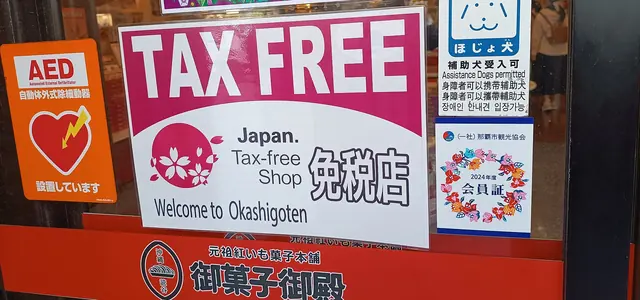
Not every shop sells tax-free, so look for the sign on the door or at the till and ask before you pay. From 1 November the checkout itself feels like any other purchase, because you pay the normal price. The difference is the paperwork: the shop checks your passport, and it tells you how its refund works and how to register for it.
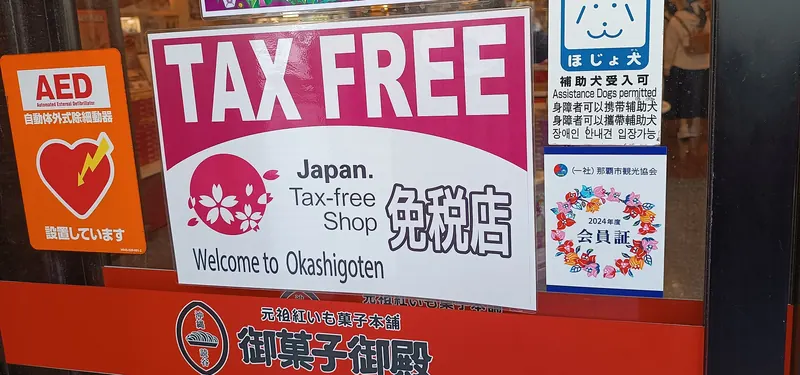
At the till
- Find the tax-free signand confirm that the shop offers tax-free sales before you pay
- Show your passport.Japanese citizens living abroad also bring their proof of two years outside Japan
- Pay the price with tax.Make sure the total is at least 5,000 yen before tax
- Register how you want the refund, using the method the shop or its refund agent offers
- Keep the receipt with the goodsuntil you leave Japan
For anything priced at 1 million yen or more before tax, the JTA warns that "customs officials may ask you to present certificates of authenticity or warranties along with the item", so pack those papers next to the item. Our Visit Japan Web guide explains the tax-free QR code, which some shops scan in place of the passport.
At the airport: the customs check before check-in
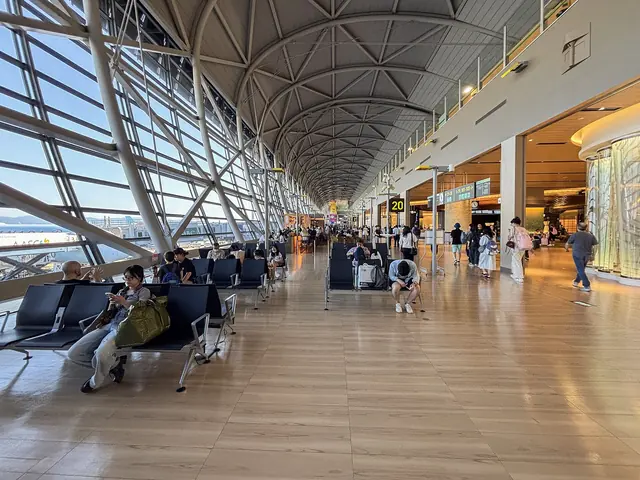
The check takes place at the airport or seaport where you finally leave Japan, no more than 90 days after the purchase. Kiosks, which the JTA calls tax-free procedure terminals, are placed in the international departure lobby ahead of baggage check-in, and the customs inspection areas are there too. Do the check first and only then go to the airline counter.
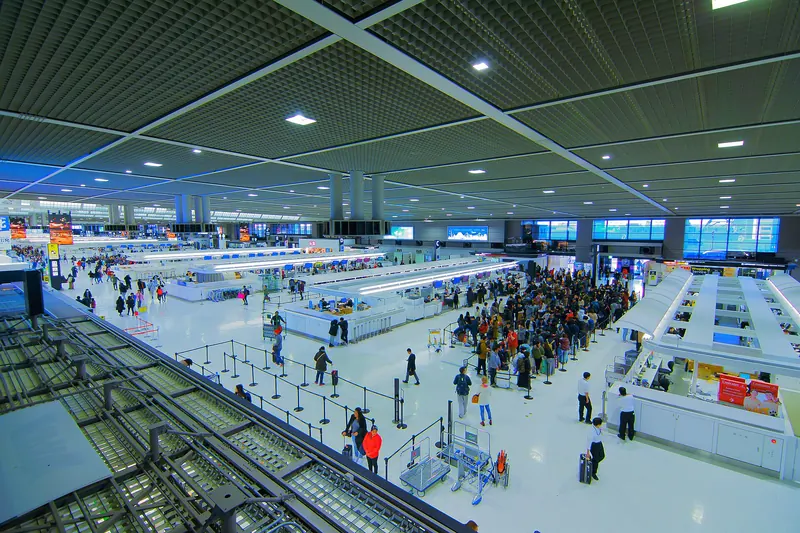
At the departure airport
- Arrive early.You need time for the check before the airline counter, and more if the result is red
- Have every tax-free item with you.A suitcase you have already checked in cannot come back
- Present your passportat one of the kiosks in the international departure lobby
- Green result: the customs inspection is complete, and you can check in
- Red result: take the goods to the customs inspection area for an officer to see
The kiosk itself "takes only a few seconds from passport scanning to the display of the result", according to the JTA's questions and answers for travellers. The time goes on the inspection when the screen turns red, so leave room for it in your plans.
At seven busy airports, Narita, Haneda, Kansai, Chubu, Fukuoka, New Chitose and Naha, there is a second way. You can do the check online through Visit Japan Web while connected to the dedicated Wi-Fi network for the procedure in the international departure lobby, which reaches as far as the security checkpoint.
Which airport, which port
- Domestic flight first: the check happens where you board the international flight, not where your trip starts
- Cruise from an overseas port: use the electronic terminal at the last Japanese port of call, before checking in your baggage
- Fly and cruise: if you cruise from Japan via overseas ports, come back and then fly out, one check covers the whole stay at the departure airport; you do nothing when the ship leaves Japan during the cruise
The JTA has a one-minute video of the airport step, which JNTO, Japan's national tourism organisation, links from its tax-free page.
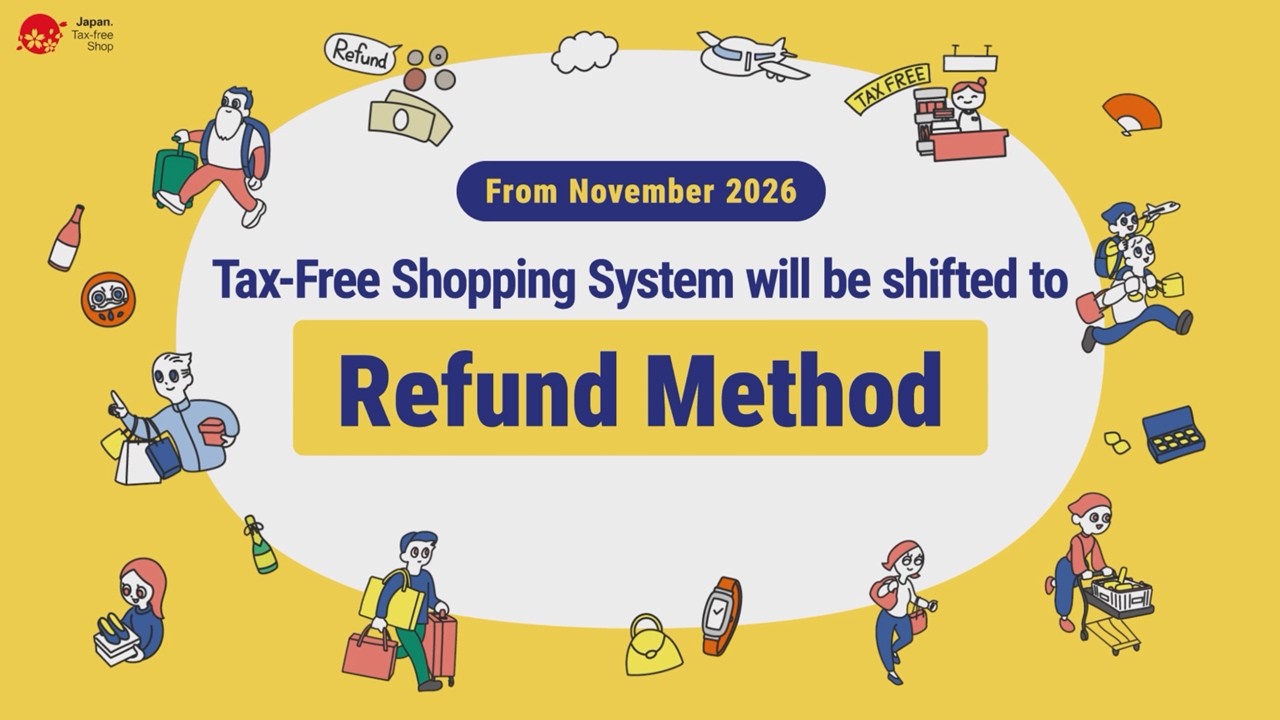
One receipt, one check
The rule most likely to cost you money is this one. Customs looks at each purchase as a whole, usually one receipt, and the JTA is blunt about the result: "If you are not in possession of even one item included in a single purchase transaction (such as a receipt), none of the tax-free goods associated with that receipt will be eligible for customs inspection (tax refund)."
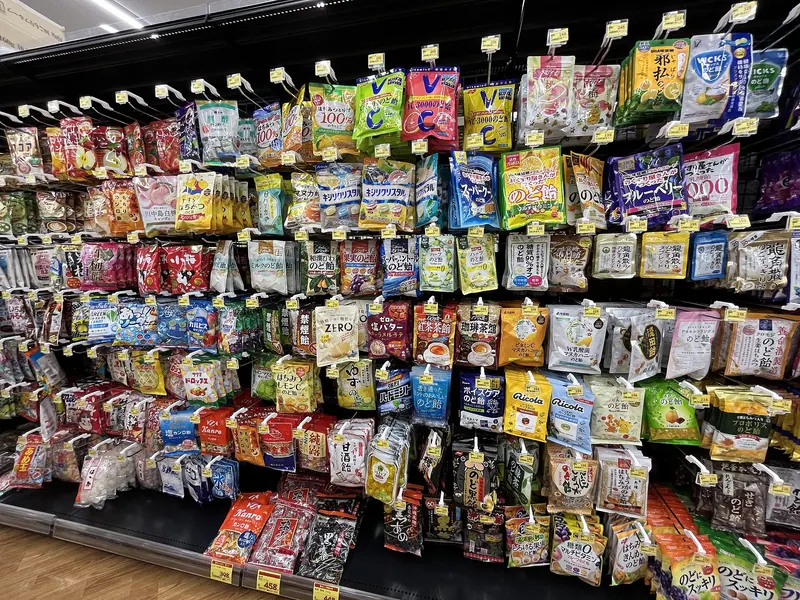
The sealed bags are gone, so nothing stops you from opening a box of sweets or trying a face cream. But an eaten snack, a used-up lotion, a gift handed over in Japan or a bag left at the hotel all count as missing, and each one takes the rest of its receipt down with it. If something from a receipt has been eaten or used, the JTA asks you not to use the kiosk for those goods and to tell the customs staff at the counter instead.
Goods that pass the check must then actually leave. If they do not, the JTA says the tax that was refunded is collected and penalties apply.
Before you set off for the airport
- Every tax-free item is with you, and the suitcase holding them has not yet been checked in
- Nothing from a tax-free receipt has been eaten, used up, given away or left behind
- Your passport, the receipts and any certificates for items over 1 million yen are easy to reach
- You are leaving within 90 days of your first tax-free purchase
- You have left extra time in case the kiosk shows a red result
How and when the refund is paid
The money does not come from customs. The JTA says the refund comes from each tax-free shop or "by a refund service provider entrusted by the shop", and it is generally paid once the airport check has confirmed the sale. Each shop decides which methods it offers, so ask at the till how and when you will be paid and how to register.
Ways the refund can reach you
- Bank transferto your own account
- Back to a credit card
- Through an apprun by the shop or its refund agent
- Cash at the port of departure, after the customs check
The official pages do not set one timetable for the money to arrive, because it depends on the shop and the method. Keep the receipts and any refund details until it does.
Why Japan is changing the system: the TV report from Kappabashi

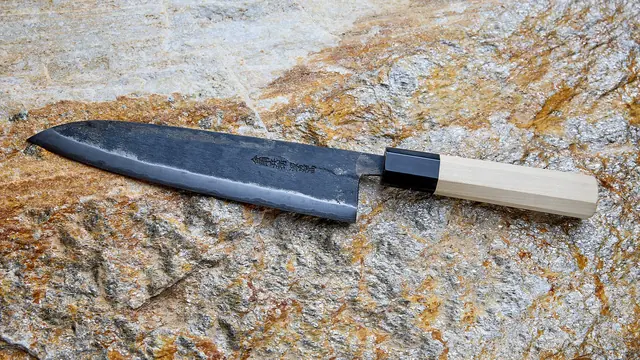
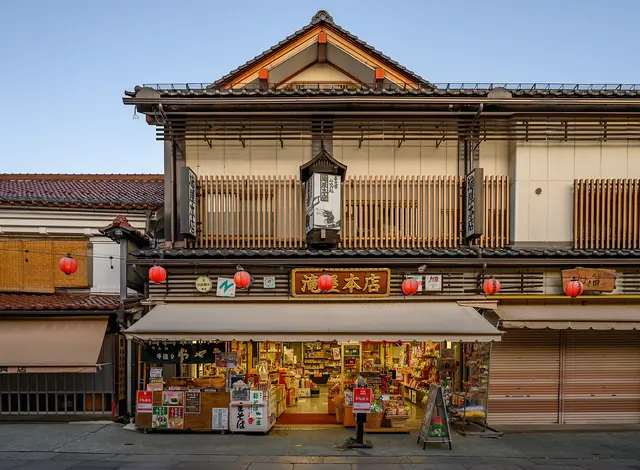
The report that prompted this guide went out on TV Asahi's Super J Channel on 22 October 2026 and was posted on the ANN news channel on YouTube. It opens on Kappabashi, the kitchenware street in Taito, Tokyo, busy with foreign shoppers even on a weekday. A visitor from the United States, just back from a knife shop, says Japanese knives beat German ones for being thin and light, and other shoppers hold up coffee filters and plates and call Japan good value overall. Told about the change, one American visitor calls it a hassle and says the system as it is now is easier.
The report then gives the reason. An official from the consumption tax office of the National Tax Agency explains that the system had been abused by people who bought goods free of tax and resold them inside Japan instead of taking them abroad. The report then puts numbers on it.
The figures in the report
- 374people bought 100 million yen or more of goods tax-free in a single year
- 57of them were inspected by customs
- 56of those could not show what they had bought
- 1.85billion yen of tax went unpaid TV Asahi's figures, from the year about three years before the broadcast, when departing visitors bought more than 600 billion yen of goods tax-free.
The same numbers come from a government paper of August 2024, as summarised by the Japan Research Institute, a private think tank. In fiscal 2022, only one of the 57 big buyers checked by customs could show the goods were leaving, and 317 of the 374 were never checked at all. Customs assessed 1.87 billion yen of tax and 1.85 billion yen of it went unpaid.
A later paper from the Ministry of Finance, the National Tax Agency, the Ministry of Economy, Trade and Industry and the JTA, dated January 2025, looked at the two years from April 2022 to March 2024. In that time, 690 people spent 100 million yen or more tax-free on a single visit, buying 233.2 billion yen of goods between them. Nearly 90% of these big buyers were never caught by customs; more than 90% of those who were caught had tax assessed, and almost all of them left Japan without paying it. The paper adds that people planning large-scale fraud often avoided showing their passport at customs at all.
How the old system was abused
- Brokers and shop staff: employees of a tax-free shop worked with brokers, stocking popular goods and selling them tax-free to foreign buyers the brokers had gathered on social media
- Hired buyers: brokers in Japan hired people such as international students, disguised their residence status and had them buy brand cosmetics in bulk again and again
- Bulk buying: visitors went round shop after shop buying smartphones in large numbers, and the shops did not see that the goods were for resale
- No way to stop them: the Japan Research Institute notes that customs cannot prevent a traveller from leaving Japan
Under the refund method the tax is only handed back after customs has seen that the goods are leaving, which closes that gap. The report points out that refund systems like this are already used in many countries. One visitor in the piece says it is the same as in Europe, and a visitor from Denmark says the current system is clearly more convenient, but Japan has so many wonderful things that the change will not stop them from visiting. The report closes by saying the effect on visitor spending will need watching.
Frequently asked questions
When does tax-free shopping in Japan change?
For purchases made on or after 1 November 2026. Anything bought up to 31 October 2026 follows the old rules, with the tax taken off at the till.
Is Japan still tax-free for tourists after November 2026?
Yes, but as a refund. The till price includes consumption tax, and the tax is refunded once customs at your departure airport or seaport confirms you are taking the goods abroad.
What is the minimum spend for tax-free shopping in Japan?
At least 5,000 yen before tax per shop per day. Because the till price now includes tax, that means 5,500 yen on the receipt for most goods, or 5,400 yen for food.
How much tax do I get back?
The amount of consumption tax you paid: 10% of the pre-tax price for most goods and 8% for food and drinks other than alcohol. How it reaches you depends on the shop.
Is there a limit on how much I can buy tax-free?
There is no longer a cap in yen. From 1 November 2026 the 500,000 yen ceiling on food, drink and cosmetics goes, and the limit is what you can personally take with you when you leave.
Can I eat or use tax-free items before I leave Japan?
You can open them, because the sealed bags are abolished, but any receipt with a missing item loses its refund. If you have eaten or used something, skip the kiosk for those goods and explain at the customs counter.
Where is the tax-free kiosk at the airport?
In the international departure lobby, before baggage check-in. At Narita, Haneda, Kansai, Chubu, Fukuoka, New Chitose and Naha, Visit Japan Web offers an online alternative on the dedicated Wi-Fi, up to the security checkpoint.
Can I do the tax-free check after checking in my suitcase?
No. Every tax-free item must be with you at the kiosk, and checked baggage cannot be taken back from the airline for the check.
What happens if the kiosk shows a red result?
Take your tax-free goods to the customs inspection area, where an officer looks at them. A green result means the inspection is already complete.
How do I receive the refund?
From the shop or the refund agent it uses, by bank transfer, a refund to a credit card, an app, or a cash payout at the port of departure, depending on the shop. Ask at the till how to register.
Can I post tax-free goods home?
Not by yourself: the option to send tax-free goods by post or parcel ended on 31 March 2025. Some shops can ship overseas for you, so ask the shop.
Why is Japan changing the tax-free system?
To stop goods bought tax-free from being resold inside Japan. Government figures show that most very large buyers were never checked at departure and that almost none of the tax assessed was paid.
Sources
Official and primary sources used for this page. Checked October 23, 2026.
- Japan Tourism Agency: Refund Method, special page for travellers — the switch on 1 November 2026, the airport kiosks and results, Visit Japan Web at seven airports, the receipt rule, the 5,000 yen minimum, exclusions, refunds
- Japan Tourism Agency: Frequently Asked Questions for Travelers (Refund Method) — kiosk time, checked baggage, items of 1 million yen or more, cruises, refund methods and timing, overseas shipping
- Japan Tourism Agency: Changes to Tax-Free Goods (PDF) — what is abolished, the quantity limit, excluded goods
- Japan Tourism Agency: List of Eligible Tax-Free Goods Purchasers, Refund Method (PDF) — who qualifies and which documents to show
- National Tax Agency and Japan Customs: Notice to Foreign Travelers Who Purchase Tax-Free Goods (PDF) — no buying for resale or for third parties
Show all 11 sources
- JNTO: Japan's Tax Exemption — link to the Japan Tourism Agency's explainer video
- Ministry of Finance: Material on Consumption Taxation — the 10% standard and 8% reduced rates
- Ministry of Finance, National Tax Agency, Ministry of Economy, Trade and Industry and Japan Tourism Agency: Review of the tax-free system for foreign travellers, draft, January 2025 (PDF, in Japanese) — buyers of 100 million yen or more from April 2022 to March 2024, and how few were caught
- Japan Research Institute: Research Focus on the new refund method, June 2025 (PDF, in Japanese) — fiscal 2022 figures from the August 2024 government paper, kinds of abuse, customs unable to stop departures
- ANNnewsCH (TV Asahi): Super J Channel report on the tax-free review, 22 October 2026 (video, in Japanese) — the report from Kappabashi summarised in this guide
- Japan Tourism Agency: Japan's Tax-Free Shopping System for Visitors, Refund Method Explained (video) — the airport step in one minute
Related guides
To cite or link to this page: Tax-free shopping in Japan from 1 November 2026: the new refund system step by step, and why Japan is changing it — Japan Pocket Guide, https://japanpocketguide.com/shopping/tax-free-shopping/