Snacks & sweets · Kit Kat
Kit Kat in Japan: the flavours on sale now, what they cost in yen, where to buy them and whether they are halal
Japan is where Kit Kat comes in matcha, strawberry, wasabi and roasted green tea, mostly in bags of small, individually wrapped pieces. Nestlé Japan, which makes it, says more than 450 kinds have been sold in the country since 1973. This guide lists the flavours on the company's own product list today, gives the suggested prices it has published, and explains where each kind is sold, what the labels say about halal, milk and wheat, and how to carry a bag home.
Last checked · Sources

In short
On 12 October 2026 Nestlé Japan's product list showed 27 Kit Kat products: 13 everyday ones, such as the classic, strong matcha and strawberry, and 14 regional souvenir ones, such as Hokkaido adzuki and strawberry, wasabi from a Shizuoka shop and Uji matcha. The suggested price of a standard bag of 10 or 11 pieces is 788 yen with tax, and the single bar is 172 yen. Everyday flavours are sold at supermarkets and drugstores across Japan, regional ones at souvenir shops, big stations and airports. Kit Kat made and sold in Japan has no halal certification, and the product pages read for this guide all list wheat, milk and soy.
Kit Kat in Japan at a glance
Kit Kat in Japan is made by Nestlé Japan and sold mostly in bags of small, individually wrapped pieces. On 12 October 2026 the product list on Nestlé Japan's website showed 27 Kit Kat products: 13 everyday ones sold across the country, and 14 souvenir ones tied to a region or to a well-known local shop. This guide goes through that list, the suggested prices Nestlé Japan has published and the kinds of shop the company names. It also answers the questions visitors ask most, from halal and vegan to what the name means in Japanese.
This site takes no money from Nestlé Japan or from any shop named on this page. Everything below comes from pages that Nestlé Japan and two other companies have published, and they are listed under Sources at the bottom. Where those pages are silent, for example on which shop is cheapest, this guide says so instead of guessing.
What Kit Kat flavours are sold in Japan now?
Thirteen everyday products were on Nestlé Japan's list when this page was checked. Three of them are the classic Kit Kat in different sizes, so the 13 products come to 11 flavours. The names on the list end with the number of pieces inside, written with the counter 枚 (mai), and that number is not the same for every bag: 11 for the classic, 10 for five other bags and 9 for the newest five.
| Product | Pieces | Label name | Suggested price with tax |
|---|---|---|---|
| Kit Kat, the classic | 11 | Chocolate | 788 yen |
| Kit Kat, the classic, small pack | 3 | Chocolate | Not in the notices read |
| Kit Kat Bar | 1 bar of 35 g | Chocolate | 172 yen |
| Otona no Amasa (sweetness for adults) | 10 | Quasi-chocolate confectionery | 788 yen |
| Koi Matcha (strong matcha) | 10 | Confectionery | 788 yen |
| Ichigo (strawberry) | 10 | Confectionery | 788 yen |
| Cacao 72% | 10 | Chocolate | 1,015 yen |
| Kit Kat with MILO | 10 | Quasi-chocolate confectionery | 1,015 yen |
| Orange Chocolat | 9 | Quasi-chocolate | Not in the notices read |
| Itoen Matcha Chocolat | 9 | Quasi-chocolate confectionery | Not in the notices read |
| Gold, salted caramel | 9 | Quasi-chocolate confectionery | Not in the notices read |
| Otona no Amasa, double berry and nut | 9 | Quasi-chocolate confectionery | Not in the notices read |
| Ichigo Chocolat (strawberry chocolate) | 9 | Quasi-chocolate confectionery | Not in the notices read |
The product pages themselves carry no prices. The prices in the table come from the price notices Nestlé Japan has published since February 2025, and Not in the notices read means none of those notices gives a price for that exact product. The price section further down explains what a suggested price is and is not.
What each everyday flavour is
The descriptions below are what Nestlé Japan's product pages say, put into English by this site.
- The classic: chocolate with a strong cacao taste over a crisp wafer, which the page calls the best balance of the two. One piece from the bag of 11 weighs 11.6 g and has 62 kcal.
- Kit Kat Bar: the same chocolate and wafer as one bar, described as the easy-to-eat type. It weighs 35 g and has 187 kcal.
- Otona no Amasa: the name means 'sweetness for adults'. The wafer is covered in chocolate that is only moderately sweet, which the page calls a refined sweetness that suits grown-ups.
- Koi Matcha: koi means strong or deep. Matcha grown in Japan and biscuit are kneaded into the coating, and the page promises real bitterness and a clean aftertaste.
- Ichigo: strawberry. Pieces of strawberry are kneaded in to bring out the scent and the tartness of the fruit.
- Cacao 72%: the wafer is wrapped in chocolate of 72% cacao, and the page adds that cacao makes up 51% of the whole piece. It is described as moderately bitter.
- Kit Kat with MILO: the wafer is wrapped in chocolate that contains MILO, another Nestlé product.
- Orange Chocolat: juicy orange with chocolate. The ingredients list orange flavouring, and orange is on its allergen line.
- Itoen Matcha Chocolat: a sharp, deep matcha with chocolate, which the page suggests eating with green tea. Itoen is the name on the bag.
- Gold, salted caramel: a bag made for cheering on school clubs. Its line on the page means 'a gold medal for everyone who is trying hard'.
- Otona no Amasa, double berry and nut: raspberry powder and a nut-paste cream between the wafers, covered in chocolate with strawberry pieces. This is the one everyday bag that lists almond.
- Ichigo Chocolat: strawberry flavour with chocolate. The ingredients list strawberry flavouring.
What do chocolate and quasi-chocolate mean on the bag?
The label-name column in the table is the legal name each product page gives on the line headed 名称 (meishō, name). A Kit Kat is part chocolate and part wafer, so the name tells you how much of the piece is chocolate and how much cacao that chocolate has. Nestlé Japan explains the four names in its own questions-and-answers pages like this.
- Chocolate (チョコレート): at least 60% of the weight is chocolate base. The base must be at least 35% cacao, or at least 21% cacao with cacao and milk solids together reaching 35%.
- Quasi-chocolate (準チョコレート, jun chokorēto): at least 60% of the weight is quasi-chocolate base. That base needs at least 15% cacao, or at least 7% cacao with 12.5% or more milk solids.
- Chocolate confectionery and quasi-chocolate confectionery (the same names followed by 菓子, kashi): the chocolate or quasi-chocolate base is under 60% of the weight and is combined with other foods such as nuts or biscuit.
The strong matcha, the strawberry and most of the souvenir flavours carry a third name, plain 菓子, confectionery. Only the classic in its three sizes and Cacao 72% are labelled chocolate among the everyday products.
Which Kit Kat flavours are only sold as souvenirs?
Fourteen of the 27 products on the list sit under the heading for souvenir products, お土産 (omiyage). Nestlé Japan calls this the regional souvenir series. In a 2023 release the company said the series is built on ingredients and specialities rooted in each part of Japan, and on tie-ups with long-established shops and companies that supply them. It began in 2002 with a Yubari melon flavour, and the same release says the series has become a standard souvenir for visitors from abroad as well as for people in Japan.
The table gives the place each product page names. Where a page names no place, the table says so, and this site has not added one from memory.
| Flavour | Place named | What the product page says |
|---|---|---|
| Hokkaido adzuki and strawberry | Hokkaido | Bean-paste powder made only from Hokkaido adzuki beans, with strawberry juice powder, wrapped in white chocolate |
| Strawberry cheesecake flavour | Yokohama | Made to match the image of the port city, with cheese cream between the wafers and a strawberry-cheese white chocolate |
| Shinshu apple | Shinshu | The fresh taste of apples grown in Shinshu, wrapped in milk chocolate |
| Tamaruya Honten wasabi flavour | Shizuoka | A tie-up with Tamaruya Honten, in business since 1875, using wasabi the shop chose, with white chocolate |
| Itohkyuemon Uji matcha | Uji | Uji matcha and Uji tea leaves chosen by Itohkyuemon, kneaded into the coating, with white chocolate |
| Itohkyuemon Uji hojicha | Uji | Roasted green tea chosen by Itohkyuemon, kneaded into the coating, with white chocolate |
| Amaou strawberry | None named | Amaou, which the page calls the king of strawberries, wrapped in white chocolate |
| Beni-imo (purple sweet potato) | None named | Cream with beni-imo powder, inside a beni-imo-flavoured coating. The page points to its bright purple colour |
| Blueberry cheesecake flavour, Mt Fuji pack | Mt Fuji | The white and blue of Mt Fuji turned into a Kit Kat, with blueberry and cheese flavouring |
| Tokyo Banana flavour, 12 pieces and 6 pieces | Tokyo | Tokyo Banana and Kit Kat in one sweet, with a small banana mark stamped into the chocolate |
| Tokyo island lemon | Ogasawara Islands | Cream with juice powder from lemons grown on the Ogasawara Islands, wrapped in white chocolate |
| Sake, Masuizumi | Page not read | On the list. This site did not read the page |
| Umeshu (plum liqueur) | Page not read | On the list. This site did not read the page |
Every bag in this series that this site read holds 10 pieces, except Tokyo Banana, which comes in packs of 12 and 6. Two details from the pages are worth knowing before you buy. The apple flavour adds apple to its allergen line and the Tokyo Banana flavour adds banana. And the last two rows are flavours named after alcoholic drinks, so if you avoid alcohol, read the label on the box before buying either of them.
The souvenir product pages show no prices. The one souvenir price this site found in a Nestlé Japan release is 1,166 yen with tax for a bag of 10, for the Pine Ame flavour described below.
Limited and tie-in flavours
The list of 27 is not everything on the shelves. Nestlé Japan also sells flavours for a limited period, and they come and go faster than a product list can show. These five are examples from its own releases, each with its date, so treat them as a picture of how the range works, not as a promise of what you will find.
- Strawberry cheesecake and chocolate mint ice cream, summer 2025: the third yearly tie-up with the Thirty-One ice-cream chain. The strawberry cheesecake flavour went on sale for a limited period on 2 June 2025.
- Pine Ame flavour, April 2025: based on Pine Ame, a pineapple candy that the release says was born in Osaka about 70 years ago. It was launched on 9 April 2025 as a new Osaka souvenir, at souvenir shops in the Kansai area.
- Spider-Man New York cheesecake flavour, August 2026: a bag of 9 at a suggested 788 yen, launched on 1 August 2026 alongside a film.
- Sugar Butter Tree flavour, November 2023: a tie-up with a cereal sweet from the Tokyo confectioner Grapestone, sold first at Tokyo Station.
- Tokyo Cacao, November 2023: six pieces for 3,456 yen, made with chocolate from cacao beans grown on Tokyo's Ogasawara Islands and sold in limited numbers.
Which Japanese Kit Kat flavours are best?
Nestlé Japan does not publish a ranking of its flavours, and this site does not make one up. What the company's pages do give are facts that let you choose by taste.
- If you want the flavour Japan is known for: matcha. Nestlé Japan describes matcha as a standard flavour by now, and four of the products on the list are tea flavours. Two are everyday bags, Koi Matcha and Itoen Matcha Chocolat, and two are souvenir bags, the Itohkyuemon Uji matcha and Uji hojicha.
- If you find chocolate too sweet: Otona no Amasa is made with chocolate the page calls moderately sweet, and Cacao 72% is the bitter one.
- If you like strawberry: six products use it. Ichigo, Ichigo Chocolat and the double berry and nut bag are everyday ones. Hokkaido adzuki and strawberry, strawberry cheesecake and Amaou are souvenir ones.
- If you like white chocolate: seven of the souvenir pages read by this site name white chocolate. They are Hokkaido adzuki and strawberry, strawberry cheesecake, wasabi, Uji matcha, Uji hojicha, Amaou and Tokyo island lemon.
- If you want something you cannot guess the taste of: the wasabi flavour. Its page calls wasabi and white chocolate an unexpected pairing.
- If it is a present: a bag from the regional series names its place on the front, which does half the work of a souvenir. The variety boxes and gift shops described further down exist for the same reason.
For other sweets worth carrying home, from everyday packets to regional gift boxes, see the guide to Japanese snacks.
Where can you buy Kit Kats in Japan?
Where a Kit Kat is sold depends on which kind it is. Nestlé Japan's releases name the type of shop for each product, and they fall into three groups: everyday shops for everyday bags, souvenir shops for the regional series, and the company's own shops and online shops for gift products.
Supermarkets and drugstores
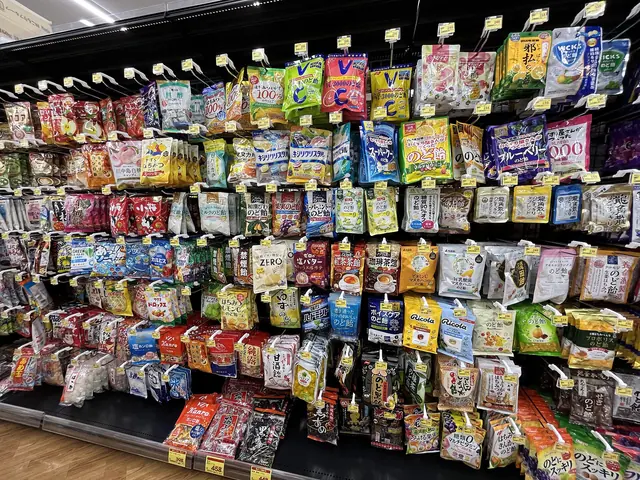
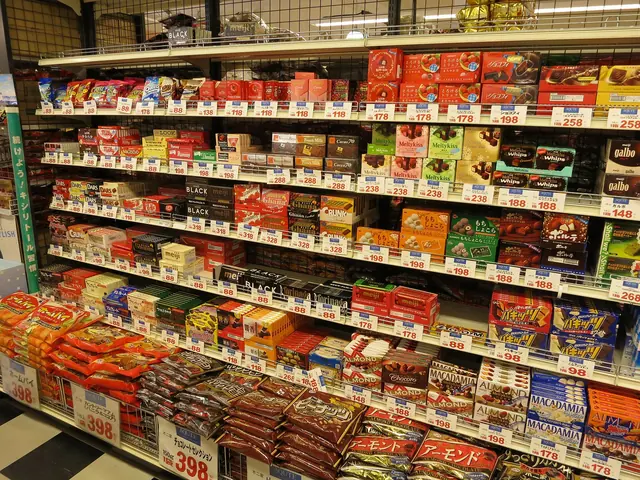
For the everyday and limited-period bags, Nestlé Japan's wording is supermarkets, drugstores and other shops across the country. That is where its 2025 summer flavours were sold, for example. Drugstores are easy to overlook if you think of them as chemists. In Japan they stock everyday snacks as well, so the aisle of bagged sweets in a drugstore is as good a place to look as a supermarket shelf.
Nestlé Japan's pages name types of shop, not chains. None of the pages read for this guide mentions a convenience store chain or a discount chain by name, so this site cannot tell you from an official source which flavours a particular 7-Eleven or Don Quijote stocks. The guide to Japanese snacks explains how those shops work for sweets in general, and the convenience store guide covers what the small shops on every corner sell.
Souvenir shops, stations and airports
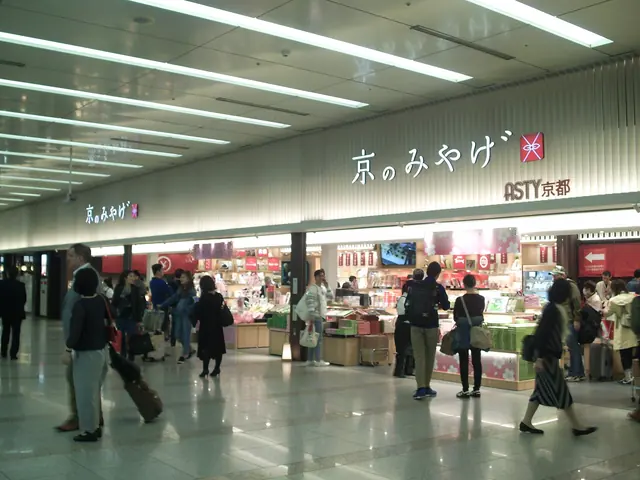
The regional series is sold where souvenirs are sold. The Pine Ame flavour was released to souvenir shops in the Kansai area, and the Tokyo Cacao release lists souvenir shops first among its sales places. In practice that means the gift counters inside big railway stations and airports, the same places that sell boxed regional sweets.
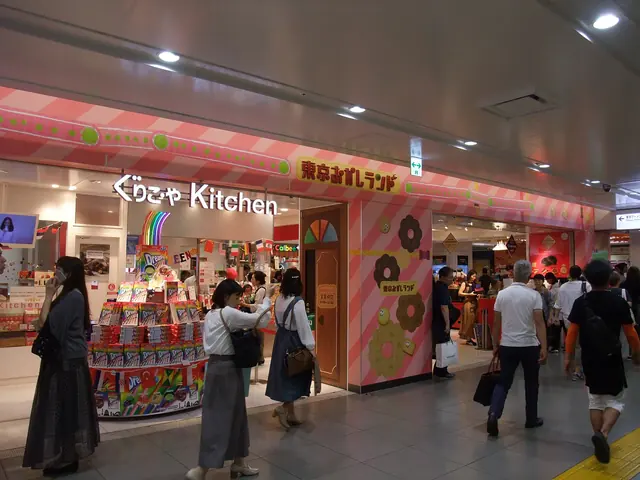
Tokyo has the clearest example in Nestlé Japan's own words. The Sugar Butter Tree flavour went on sale on 22 November 2023 at Tokyo Okashi Land, on the first basement floor of First Avenue Tokyo Station. The release said that from 10 January 2024 sales would widen, mainly to JR Tokyo Station, Haneda Airport and the international terminals of airports. That is one flavour and one date, but it shows where the company sends its Tokyo souvenir bags: the main station and the airports people leave from.
One line in a 2023 release is useful for planning. Nestlé Japan described the regional flavours as ones you cannot get at the shops near home. So do not count on finding a Uji matcha or wasabi bag at an ordinary supermarket. For more on where gifts are sold, see the souvenir guide.
Online shops and the official shop finder
Some product pages on Nestlé Japan's site link to Amazon and Rakuten in Japan. The classic, Koi Matcha, Cacao 72% and the MILO bag link to both, and several others link to one of the two. The releases for gift products also name Nestlé's own online shop. These are Japanese shops, and this site has not checked whether any of them delivers outside Japan. If you are abroad and want Japanese Kit Kats sent to you, the snack box comparison covers companies that post boxes from Japan, some of which list Kit Kats among what they send.
Nestlé Japan also runs a shop finder. Its questions-and-answers page says you can search for the nearest shops that stock Nestlé food and drink products by your location, a station name or an address. It adds three cautions: a shop shown may be sold out, not every product is in the finder, and for products limited to one region or one shop the company may not be able to tell you where they are. The page that explains the finder is in Japanese.
Where are Kit Kats cheapest?
No official page compares shop prices, and this site has not done a survey of its own, so it names no cheapest chain. What can be said from the sources is simple. The suggested price is the same for every shop, each shop then sets its own shelf price, and the everyday bags are the ones sold in ordinary shops where prices compete.
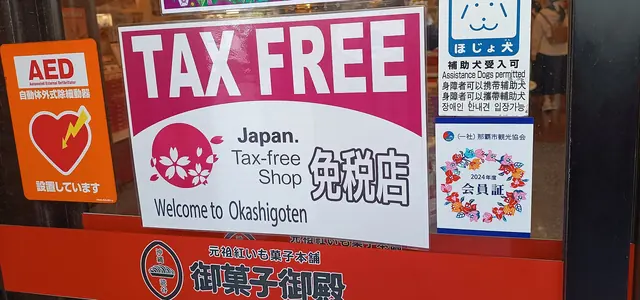
The arithmetic also helps. At the suggested prices, one piece from the classic bag of 11 works out at about 72 yen, one piece from a 788-yen bag of 10 at about 79 yen, and one piece from the 1,166-yen souvenir bag of 10 at about 117 yen. The classic bag is the cheapest way to buy Kit Kat by the piece. If you spend enough in one shop on one day, tax-free shopping may apply as well, and the tax-free guide explains how that works.
Is there a Kit Kat store in Japan?
Yes. Nestlé Japan runs its own shops under the name Kit Kat Chocolatory. The company's history page says the first one opened in 2014 as a speciality shop for Kit Kat sweets, and calls it a world first for the brand.
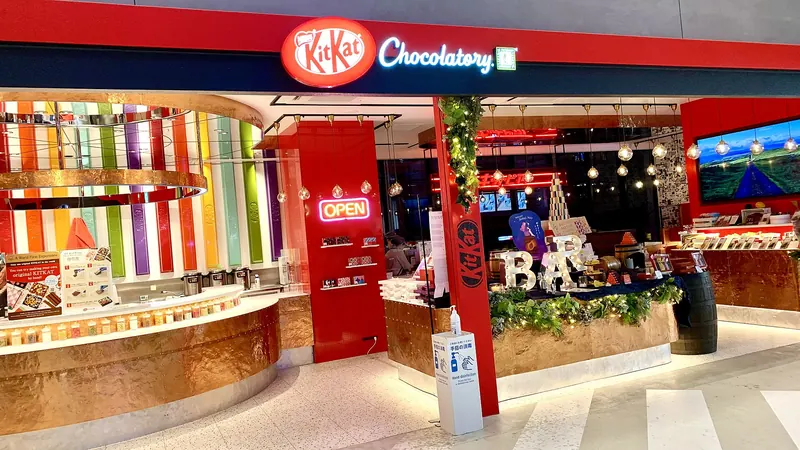
The most detailed description this site could read is the release for a shop that opened on 7 September 2023 in AEON Mall Urawa-Misono, a shopping centre in the city of Saitama. Nestlé Japan described it as a gift speciality shop, open from 10:00 to 21:00, and listed what it offered.
- Pick To Mix: 10 flavours sold one piece at a time, at 108 yen each with tax, so you can make up your own assortment from a single piece.
- Sublime: a luxury line made with couverture chocolate in bitter, milk, white and ruby, at 324 yen each, with every piece in its own box.
- My Kit Kat: you write a message to go inside, then pick tags, ribbon and wrapping. The release counted more than 4,000 combinations of product and wrapping.
- Gift wrapping: 23 kinds of packaging in all.
- A drink: a shake made with the same milk chocolate as the shop's own products, which the release describes as a Kit Kat you can drink.
Two other releases from the autumn of 2023 mention Kit Kat Chocolatory permanent shops in the plural, and a separate Kit Kat Gift Shop inside Rinku Premium Outlets.
How much are Kit Kats in Japan?
A standard bag has a suggested price of 788 yen with tax, the single bar 172 yen, and the two dearer everyday bags 1,015 yen. These are the latest figures in the price notices Nestlé Japan has published.
| Product | Suggested price with tax | Price before | Applies from |
|---|---|---|---|
| The classic, bag of 11 | 788 yen | 685 yen | Deliveries from 1 May 2025 |
| Otona no Amasa, Koi Matcha and Ichigo, bags of 10 | 788 yen | 685 yen | Deliveries from 1 May 2025 |
| Cacao 72% and Kit Kat with MILO, bags of 10 | 1,015 yen | 777 yen | Deliveries from 2 March 2026 |
| Kit Kat Bar | 172 yen | 151 yen | Deliveries from 1 September 2025 |
Three things need saying about this table.
First, these are suggested retail prices, the figure a maker recommends, with consumption tax included. They are not shelf prices. A shop may charge less or more, and this site does not quote shelf prices because it has no source for them.
Second, the bar got smaller after its price went up. From 6 April 2026 it went from 38 g to 35 g at the same 172 yen.
Third, the newest bags hold nine pieces, and no notice read by this site gives their price. The February 2025 notice set 788 yen for the gold salted caramel and Itoen matcha bags when they held 10 pieces. The one nine-piece price this site found is for the limited Spider-Man flavour in 2026, also 788 yen.
In all three notices Nestlé Japan gave the same reasons for the rises: a long period of weak yen and the high price of cacao beans.
Prices of souvenir and gift Kit Kats
Regional and gift products cost more per piece. The examples below are from dated releases, so they show the range, not today's price list.
- Pine Ame flavour, bag of 10: 1,166 yen suggested, in April 2025.
- Sugar Butter Tree flavour: 702 yen for 6 pieces and 1,382 yen for 12, in November 2023.
- Tokyo Cacao, 6 pieces: 3,456 yen suggested, in November 2023.
- Kit Kat Chocolatory: 108 yen for one Pick To Mix piece and 324 yen for one Sublime piece, in September 2023.
People often search for the price of the matcha Kit Kat and of the blueberry cheesecake one. The everyday Koi Matcha bag is in the table at 788 yen. For the Uji matcha souvenir bag and the blueberry cheesecake Mt Fuji pack, the product pages give no price and no release read by this site gives one, so this site does not quote one. This guide also gives no prices in dollars or pounds, because the rate moves every day.
Is there a Japanese Kit Kat variety pack or gift box?
Yes, but as a product that comes and goes. The clearest example in Nestlé Japan's releases is the Kit Kat Mini Variety Party Box, which went on sale on 1 November 2023 for a limited period.
- What was in it: 70 pieces in 18 kinds, for 4,000 yen with tax. That works out at about 57 yen a piece.
- How the 18 kinds were split: five pieces each of seven standard flavours, five pieces of one business-use flavour, and three pieces each of 10 flavours from the regional souvenir series.
- The box: printed with the designs of all 18 wrappers. A round hole is cut in the top so the box can be used as a lucky dip, with nobody knowing which flavour will come out.
- Where it was sold: Kit Kat Chocolatory permanent shops and the Kit Kat Gift Shop in Rinku Premium Outlets. Online it was sold at Nestlé's own shop, its shop on Rakuten, Amazon, LOHACO and ASKUL.
The release pitched the box for parties and for carrying to family at the end of the year. A box the year before, on sale from 1 November 2022, held up to 21 kinds.
Two autumns in a row is a pattern, not a promise. This site could not confirm from an official page that a box like it is on sale now, so look at Nestlé Japan's online shop or ask at a Kit Kat Chocolatory before you count on one.
If no variety box is on sale, this page has already described three other ways to give Kit Kat as a present. One is a bag from the regional series. Another is an assortment you pick yourself at a Kit Kat Chocolatory, wrapped there. The third is the Tokyo Banana flavour, which the list shows in packs of 12 and of 6.
Can you make your own Kit Kat in Japan?
Two services let you put your own words or pictures on a Kit Kat. Neither one involves making the chocolate.
- My Kit Kat, in a shop: the message-and-wrapping service at the Kit Kat Chocolatory described above. What you make is the gift around the Kit Kat: the words inside the pack, the tag, the ribbon and the paper.
- Kit Kat Original, online: a Japanese website where you upload a photo, add a frame, stamps and a message, and have the design printed on the pack.
The website gives these details for Kit Kat Original.
- Size of an order: it is sold by the set. One set is 10 packs, and each pack holds three individually wrapped pieces. One order can be up to 30 sets.
- Designs: up to five different designs in a set. You cannot choose the design of the sweets inside the pack.
- The pack: about 12.1 cm wide, 9.1 cm tall and 1.6 cm thick.
- Timing: production normally runs to a schedule of shipping about a week after the order, and the shipping date is not the arrival date.
- Allergens: wheat, milk and soy.
This site could not read the price from the page, so it does not quote one. The page says the price includes tax and that delivery is charged on top. The website is in Japanese, and the page read for this guide says nothing about delivery outside Japan.
None of the pages read for this guide describes a class or a workshop where visitors make the chocolate themselves.
Are Japanese Kit Kats halal, vegan or gluten-free?
In short: the Kit Kat made and sold in Japan has no halal certification, and by the label it is neither vegan nor gluten-free, because the product pages list milk and wheat.
Halal
Nestlé Japan answers this in its own questions-and-answers pages. The Kit Kat that the company makes and sells in Japan is made and sold in line with Japanese law, and its ingredients are labelled as the law requires, but it has not received halal certification. The answer stops there. It does not go through the ingredients one by one, and it does not speak for Kit Kats made in other countries.
This site does not rule on what is or is not halal. What it can report from the labels is narrower. Pork and gelatine are among the 28 items that the allergen labelling covers, and neither appears on the allergen line of any of the 24 product pages read for this guide. That line is not a full check of a recipe. The classic's ingredient list, for example, names flavouring without saying what it is made from. So the allergen line is no substitute for certification.
Two souvenir flavours on the list are named after alcoholic drinks, sake and plum liqueur. This site did not read their pages. If you eat halal, the guide to Japanese snacks has a section on reading a Japanese label.
Vegan and gluten-free
Nestlé Japan's product pages do not use the words vegan or gluten-free. What they give is the allergen line, and on every one of the 24 pages read it includes milk and wheat. The classic lists whole milk powder, lactose and wheat flour among its ingredients. Cacao 72%, the bitter one, lists milk as well. So by the label, none of the Japanese Kit Kats read for this guide is vegan and none is free of gluten.
Hershey, whose brand site covers Kit Kat in the United States, says the same of its own bars: "KIT KAT® Bars are not vegan." On gluten its answer is "No, KIT KAT® Bars are not gluten free as they contain wheat." Those two sentences are about the American product, but they match what the Japanese labels show.
Allergens and ingredients
Nestlé Japan says the allergens are printed on the package and shown on each product page, next to the nutrition figures. The labelling covers 28 items. Eight must be labelled: shrimp, crab, walnut, wheat, buckwheat, egg, milk and peanut. Twenty more are recommended, a group that includes soy, almond, orange, apple, banana, sesame, pork and gelatine.
On the 24 pages read, the result is easy to sum up. All 24 list wheat, milk and soy. Four add one more item: orange on Orange Chocolat, almond on the double berry and nut bag, apple on Shinshu apple and banana on the Tokyo Banana flavour.
The ingredients of the classic, as its page lists them, are sugar, cacao mass, vegetable oil, wheat flour, whole milk powder, lactose, cocoa butter, cocoa powder and yeast. After those come the additives: an emulsifier made from soy, flavouring, baking soda and yeast food.
For foods outside the 28 items, the company's answer is to ask its customer service. And as the note near the top of this page says, the label on the bag in your hand outranks the website. If you need to ask about an allergen in a shop, the allergy card maker writes it out in Japanese for you.
How do you get Kit Kats home without melting them?
The storage line on the classic's product page asks for a cool place at 28°C or below, away from humidity. Nestlé Japan's questions-and-answers pages explain why that number matters.
- Heat: chocolate holds a lot of cocoa butter, and cocoa butter starts to melt at around 28°C. Chocolate that has melted loses its shape.
- White marks: when the cocoa butter comes to the surface and sets again, it leaves a pattern or a white coating. This is called bloom. The company says the flavour suffers but there is no effect on the body.
- Sunlight: bloom can happen where direct sun falls on the chocolate, even when the place it is kept in is cool.
- Puffed-up wrappers: the air inside an individual wrapper can expand when the temperature or the air pressure changes. The company says the cause differs from product to product, that quality is not seriously harmed, and that the piece is fine to eat.
For a trip, that comes down to three plain rules. On days hotter than 28°C, buy chocolate as late in the trip and as late in the day as you can. Keep the bag out of direct sun, even indoors. And do not worry if the small wrappers look puffed up when you unpack. The page on swollen wrappers does not mention aircraft, but a change in air pressure is one of the two causes it names.
Whether you may take chocolate into your own country is a separate question. The guide to Japanese snacks goes through the customs rules for the United States, Australia, Canada and the United Kingdom.
Who makes Kit Kat in Japan, and is it a Japanese brand?
Nestlé Japan (ネスレ日本) makes and sells Kit Kat in Japan. Its company profile gives Kobe as the head office and dates the business in Japan from 1913.
Kit Kat is not a Japanese brand by birth. Hershey's page about the bar puts it this way: "The KIT KAT® Bar got its start across the Atlantic in 1935." The same page says the bar was launched in England as Rowntree's Chocolate Crisp and took the Kit Kat name in 1937. Nestlé's own history pages fill in the rest.
- 1935: first sold in the United Kingdom.
- 1973: Kit Kat goes on sale in Japan.
- 1988: Nestlé buys the British confectioner Rowntree Mackintosh, which brings Kit Kat into the group.
- 1989: a joint-venture company is set up in Japan with the business that had handled Kit Kat there until then. The history page does not name that business.
- 2002: the regional souvenir series begins with the Yubari melon flavour.
- 2014: the first Kit Kat Chocolatory opens.
In the United States the bar sits on the brand site of The Hershey Company, not on a Nestlé one. So the brand is British by origin and Nestlé's in Japan. What is Japanese is the range and the way it is sold: a 2023 release from Nestlé Japan says Kit Kat has developed in its own way in the country since 1973.
Is there a Kit Kat factory you can visit?
Nestlé Japan's list of group sites shows three factories: Kasumigaura in Ibaraki, Shimada in Shizuoka and Himeji in Hyogo. The page does not say which of them makes Kit Kat, and none of the pages read for this guide mentions tours. So this site cannot point you to a Kit Kat factory visit. If a factory visit is what you are after, the guide to Japanese snacks describes three sweet factories and parks that do take visitors.
Kit Kat in Japan vs the US
The two are sold by different companies, and their own pages describe different things. Hershey describes the American bar by its shape: "The standard bars consist of four pieces, called fingers, and each finger can be snapped from the bar as an individual piece." On flavours it says: "KIT KAT® Bar flavors in the U.S. include milk chocolate, dark chocolate, vanilla and mint + dark chocolate, along with several seasonally available flavors like lemon crisp and raspberry creme!"
| Point | Japan | United States |
|---|---|---|
| Whose site it is on | Nestlé Japan | The Hershey Company |
| Form the pages describe | Bags of 9 to 11 small wrapped pieces, a pack of 3 and a single bar of 35 g | A standard bar of four fingers |
| Flavours named | 24 on the product list, among them strong matcha, strawberry, wasabi and roasted green tea | Milk chocolate, dark chocolate, vanilla, and mint with dark chocolate, plus seasonal ones |
| Regional souvenir products | 14 on the product list | Not mentioned on the page read |
Nestlé Japan's brand page adds that the types run from a two-finger one, two bars joined together, to the bar type. This site has not compared the recipes or tasted the two side by side, so it makes no claim about which is sweeter or better.
How many Kit Kat flavours are there in Japan?
It depends on what you count. Nestlé Japan's figure is a running total: in a 2023 release it said more than 450 kinds had been sold in Japan up to then. That is every flavour over the years, not what is in the shops on one day.
On 12 October 2026 the company's product list showed 27 products. Taking out the different sizes of the same flavour, this site counts 24 flavours: 11 everyday ones and 13 souvenir ones. Limited-period flavours and the Kit Kat Chocolatory range sit outside that list, so the number on sale at any moment is somewhat higher. Figures such as 300 turn up in searches, but this site could not trace them to a Nestlé Japan page.
Why does Japan have so many?
Nestlé Japan gives no single reason on the pages read for this guide. What its releases show are three habits that keep adding flavours.
- Regional flavours: the souvenir series is built on local ingredients and specialities, so each part of the country can have its own bag.
- Limited periods: flavours are sold for a season and then dropped. The ice-cream tie-up of summer 2025 was in its third year.
- Tie-ups: a wasabi shop, a pineapple candy, a Tokyo confectioner's cereal sweet and a film have each lent their name to a flavour.
Why is Kit Kat so popular in Japan, and what does the name mean?
The name itself means nothing in Japanese. It is written キットカット and said Kitto Katto, which happens to sound like きっと勝つ (kitto katsu, 'sure to win'). Nestlé Japan says that likeness turned the bar into a good-luck charm among students sitting exams, spread by word of mouth, and that the company has backed exam students since 2003. The guide to Japanese snacks tells that story in full.
Three more things from the company's releases help explain its place in Japan.
- Sales: a July 2026 release, citing Intage's SRI+ retail data, says Kit Kat ranked first by sales value among brands in Japan's large-bag chocolate category for January to December 2025.
- Giving all year: the same release says Kit Kat is used in every season, not only at exam time, as a way of telling someone you are cheering for them or grateful to them.
- Paper cranes: in 2019 the large outer bags changed from plastic to paper. Since then Nestlé Japan has asked people to write a wish on the paper and fold it into a crane or another shape. The gift shop in Saitama took the origami crane as its symbol.
Kit Kat in Japanese: words on the bag
| Japanese | Reading | Meaning |
|---|---|---|
| キットカット | Kitto Katto | Kit Kat |
| 枚 | mai | Counter used for the pieces in a bag |
| 抹茶 | matcha | Powdered green tea |
| 濃い | koi | Strong, deep |
| 苺 | ichigo | Strawberry |
| ほうじ茶 | hōjicha | Roasted green tea |
| オトナの甘さ | otona no amasa | Sweetness for adults |
| お土産 | omiyage | Souvenir |
| 期間限定 | kikan gentei | For a limited period |
| 個包装 | kohōsō | Individually wrapped |
| 名称 | meishō | Legal name of the product |
| 準チョコレート | jun chokorēto | Quasi-chocolate |
| 菓子 | kashi | Confectionery |
| 原材料名 | genzairyōmei | Ingredients |
| アレルゲン | arerugen | Allergens |
| 保存方法 | hozon hōhō | How to store |
| 希望小売価格 | kibō kouri kakaku | Suggested retail price |
| 税込 | zeikomi | Tax included |
Frequently asked questions
How much are Kit Kats in Japan?
The suggested price of a standard bag of 10 or 11 pieces is 788 yen with tax, the single bar is 172 yen, and the Cacao 72% and MILO bags are 1,015 yen. These are Nestlé Japan's suggested prices. Shops set their own shelf prices, which can be lower or higher.
How much is a matcha Kit Kat in Japan?
The everyday Koi Matcha bag of 10 has a suggested price of 788 yen with tax. For the Uji matcha souvenir bag, neither its product page nor any release read for this guide gives a price, so this site does not quote one.
Where is the best place to buy Kit Kats in Japan?
It depends on the kind. Everyday flavours are sold at supermarkets, drugstores and other shops across the country. The regional souvenir flavours are sold at souvenir shops, big stations and airports, and gift products at Kit Kat Chocolatory shops.
Do 7-Eleven and Don Quijote sell Japanese Kit Kats?
Nestlé Japan's pages name types of shop, not chains, and none of the pages read for this guide mentions a convenience store chain or a discount chain. So this site cannot confirm from an official source which flavours those shops stock.
Is there a Kit Kat store in Tokyo?
Nestlé Japan's releases mention permanent Kit Kat Chocolatory shops without listing them, and the one release this site read in detail describes a shop in the city of Saitama that opened in 2023. This site could not read a current shop list, so check Nestlé Japan's official Kit Kat pages before you go.
Are Japanese Kit Kats halal?
Nestlé Japan says the Kit Kat it makes and sells in Japan has not received halal certification. Its answer says nothing more than that, and this site does not rule on what is halal.
Are Japanese Kit Kats vegan?
Not by the label. All 24 product pages read for this guide list milk on the allergen line, Cacao 72% included.
Are Japanese Kit Kats gluten-free?
Not by the label. All 24 product pages read for this guide list wheat, and wheat flour is in the classic's ingredients.
How many Kit Kat flavours are there in Japan?
By Nestlé Japan's count, more than 450 kinds have been sold over the years. Its product list showed 27 products on 12 October 2026, which this site counts as 24 flavours, with limited-period flavours on top.
What does Kit Kat mean in Japanese?
Nothing by itself, but Kitto Katto sounds like kitto katsu, which means sure to win. That is why exam students in Japan carry one for luck.
Who makes Kit Kat in Japan?
Nestlé Japan, whose head office is in Kobe. Kit Kat has been sold in Japan since 1973.
Is Kit Kat a Japanese brand?
No. It was first sold in the United Kingdom in 1935 and joined Nestlé when the group bought Rowntree Mackintosh in 1988. The Japanese part is the range of flavours.
Can you visit a Kit Kat factory in Japan?
This site found no official page offering one. Nestlé Japan lists three factories, in Ibaraki, Shizuoka and Hyogo, but does not say which makes Kit Kat and does not mention tours.
Is there a sake Kit Kat in Japan?
Yes. A sake flavour and a plum liqueur flavour are on Nestlé Japan's list of souvenir products. This site did not read their pages, so read the label on the box if you avoid alcohol.
Which Japanese Kit Kats are white chocolate?
Seven of the souvenir pages read for this guide name white chocolate: Hokkaido adzuki and strawberry, strawberry cheesecake, wasabi, Uji matcha, Uji hojicha, Amaou strawberry and Tokyo island lemon.
What is the sweetness for adults Kit Kat?
It is Otona no Amasa, an everyday bag of 10 pieces made with chocolate that its page describes as only moderately sweet. A second version adds raspberry, strawberry and a nut paste.
Is there an orange Kit Kat in Japan?
Yes. Orange Chocolat is an everyday bag of nine pieces. Orange is on its allergen line.
Can I order Japanese Kit Kats online from outside Japan?
Some of Nestlé Japan's product pages link to Amazon and Rakuten in Japan, but this site has not checked whether those shops deliver abroad. Some snack box companies that post from Japan list Kit Kats among what they send.
Will Kit Kats melt in my suitcase?
They can if it gets warm. Nestlé Japan says cocoa butter starts to melt at around 28°C, and melted chocolate can lose its shape and turn white. Keep the bag cool and out of direct sun.
Sources
Official and primary sources used for this page. Checked October 12, 2026.
- Nestlé Japan: Kit Kat product list (in Japanese) — the 27 products on the list on 12 October 2026
- Nestlé Japan: Kit Kat product list, souvenir products (in Japanese) — the 14 souvenir products
- Nestlé Japan: Kit Kat, 11 pieces (in Japanese) — the classic: label name, ingredients, storage line, weight and energy of one piece
- Nestlé Japan: Kit Kat, 3 pieces (in Japanese) — the small pack of the classic
- Nestlé Japan: Kit Kat Bar (in Japanese) — the single bar, its weight and energy
- Nestlé Japan: Kit Kat Otona no Amasa, 10 pieces (in Japanese) — the description, label name and allergens
- Nestlé Japan: Kit Kat Koi Matcha, 10 pieces (in Japanese) — the description, label name and allergens
- Nestlé Japan: Kit Kat Ichigo, 10 pieces (in Japanese) — the description, label name and allergens
- Nestlé Japan: Kit Kat Cacao 72%, 10 pieces (in Japanese) — the cacao figures, label name and allergens
- Nestlé Japan: Kit Kat with MILO, 10 pieces (in Japanese) — the description, label name and allergens
- Nestlé Japan: Kit Kat Orange Chocolat, 9 pieces (in Japanese) — the description and the orange on the allergen line
- Nestlé Japan: Kit Kat Itoen Matcha Chocolat, 9 pieces (in Japanese) — the description, label name and allergens
- Nestlé Japan: Kit Kat Gold, salted caramel, 9 pieces (in Japanese) — the description, label name and allergens
- Nestlé Japan: Kit Kat Otona no Amasa, double berry and nut, 9 pieces (in Japanese) — the description and the almond on the allergen line
- Nestlé Japan: Kit Kat Ichigo Chocolat, 9 pieces (in Japanese) — the description, label name and allergens
- Nestlé Japan: Kit Kat Hokkaido adzuki and strawberry (in Japanese) — the description and allergens
- Nestlé Japan: Kit Kat strawberry cheesecake flavour (in Japanese) — the description, the link to Yokohama and allergens
- Nestlé Japan: Kit Kat Shinshu apple (in Japanese) — the description and the apple on the allergen line
- Nestlé Japan: Kit Kat Tamaruya Honten wasabi flavour (in Japanese) — the tie-up with the Shizuoka wasabi shop and allergens
- Nestlé Japan: Kit Kat Itohkyuemon Uji matcha (in Japanese) — the description and allergens
- Nestlé Japan: Kit Kat Itohkyuemon Uji hojicha (in Japanese) — the description and allergens
- Nestlé Japan: Kit Kat Amaou strawberry (in Japanese) — the description and allergens
- Nestlé Japan: Kit Kat beni-imo (in Japanese) — the description and allergens
- Nestlé Japan: Kit Kat blueberry cheesecake flavour, Mt Fuji pack (in Japanese) — the description and allergens
- Nestlé Japan: Kit Kat Tokyo Banana flavour, 12 pieces (in Japanese) — the description and the banana on the allergen line
- Nestlé Japan: Kit Kat Tokyo island lemon (in Japanese) — the description, the Ogasawara lemons and allergens
- Nestlé Japan FAQ: Is the Kit Kat sold in Japan halal certified? (in Japanese) — the statement that Kit Kat made and sold in Japan has no halal certification
- Nestlé Japan FAQ: Shops that stock Nestlé food and drink products (in Japanese) — the shop finder and its three cautions
- Nestlé Japan FAQ: Allergens in Kit Kat ingredients (in Japanese) — the 28 items and where allergens are shown
- Nestlé Japan FAQ: The difference between chocolate and quasi-chocolate (in Japanese) — what the four label names mean
- Nestlé Japan FAQ: Chocolate whose surface has turned white (in Japanese) — the 28°C figure, bloom and direct sunlight
- Nestlé Japan FAQ: Swelling of Kit Kat individual wrappers (in Japanese) — why wrappers puff up and whether the piece can be eaten
- Nestlé Japan: Price revision notice, 25 February 2025 (in Japanese) — the notice of the rise from 1 May 2025
- Nestlé Japan: Price revision notice, 25 February 2025 (PDF, in Japanese) — 788 yen for the bags of 10 and 11, and the price before
- Nestlé Japan: Price revision notice, 30 June 2025 (in Japanese) — the notice of the rise from 1 September 2025
- Nestlé Japan: Price revision notice, 30 June 2025 (PDF, in Japanese) — 172 yen for the bar, and the price before
- Nestlé Japan: Price revision notice, 26 November 2025 (in Japanese) — the notice of the rise from 2 March 2026
- Nestlé Japan: Price revision notice, 26 November 2025 (PDF, in Japanese) — 1,015 yen for Cacao 72% and the MILO bag, and the bar's change to 35 g
- Nestlé Japan: Kit Kat Pine Ame flavour, 7 April 2025 (in Japanese) — the Osaka souvenir flavour, its price and where it was sold
- Nestlé Japan: Kit Kat Spider-Man flavour, 23 July 2026 (in Japanese) — the nine-piece bag at 788 yen, the sales ranking for 2025 and giving through the year
- Nestlé Japan: Kit Kat summer flavours with Thirty-One, 20 May 2025 (in Japanese) — the third yearly tie-up and the wording on supermarkets and drugstores
- Nestlé Japan: Kit Kat Chocolatory AEON Mall Urawa-Misono, 14 September 2023 (in Japanese) — the opening of the gift shop
- Nestlé Japan: Kit Kat Chocolatory AEON Mall Urawa-Misono, 14 September 2023 (PDF, in Japanese) — Pick To Mix, Sublime, My Kit Kat, the wrapping and the origami crane
- Nestlé Japan: Kit Kat Mini Variety Party Box, 24 October 2023 (in Japanese) — the box of 70 pieces and its sale date
- Nestlé Japan: Kit Kat Mini Variety Party Box, 24 October 2023 (PDF, in Japanese) — what was in the box, where it was sold, the 450 kinds and the start of the regional series in 2002
- Nestlé Japan: Kit Kat Mini Variety Party Box, 1 November 2022 (in Japanese) — the box of the year before
- Nestlé Japan: Kit Kat Tokyo Cacao, 20 November 2023 (in Japanese) — the Ogasawara cacao product
- Nestlé Japan: Kit Kat Tokyo Cacao, 20 November 2023 (PDF, in Japanese) — its price and the places it was sold
- Nestlé Japan: Kit Kat Sugar Butter Tree flavour, 22 November 2023 (in Japanese) — the tie-up with the Tokyo confectioner
- Nestlé Japan: Kit Kat Sugar Butter Tree flavour, 22 November 2023 (PDF, in Japanese) — the prices, Tokyo Okashi Land and the wider sale from January 2024
- Nestlé Japan: Kit Kat and exam students, 6 November 2013 (in Japanese) — the good-luck custom, support since 2003 and the first sale in 1935
- Nestlé Japan: Kit Kat brand page (in Japanese) — the two-finger and bar types
- Nestlé Japan: Company profile (in Japanese) — the head office in Kobe and the start in 1913
- Nestlé Japan: Group sites (in Japanese) — the three factories
- Nestlé Japan: History in Japan (in Japanese) — the joint venture of 1989 and the first Kit Kat Chocolatory in 2014
- Nestlé Japan: History of Nestlé worldwide (in Japanese) — the purchase of Rowntree Mackintosh in 1988
- Hershey: Kit Kat brand page — the American bar: its start in 1935, its fingers and flavours, and its answers on vegan and gluten
- Decoto: Kit Kat Original (in Japanese) — the printed-pack service: sets, designs, pack size, shipping and allergens
Related guides
To cite or link to this page: Kit Kat in Japan: the flavours on sale now, what they cost in yen, where to buy them and whether they are halal — Japan Pocket Guide, https://japanpocketguide.com/snacks/kit-kat-japan/