Culture · Sumo
Sumo tickets in Japan: the 2026 and 2027 tournament dates, when tickets go on sale, seat prices, buying from abroad and the day itself
Watching a Grand Sumo Tournament is one of the most memorable things you can do in Japan, and getting a ticket is the hard part. This guide explains when and where the six tournaments are held in 2026 and 2027, when tickets go on sale, the official ticket sites in English and Japanese, what each seat costs and the price rise from January 2027, how to buy from abroad, what to do when a day sells out, why resale sites are a risk, what happens on the day, how to reach each arena, and what else to see in Ryogoku, the sumo district of Tokyo. Everything here was checked on 17 October 2026 against pages from the Japan Sumo Association, its official ticket site Ticket Oosumo, the Japan National Tourism Organization and GO TOKYO; you will find them all under Sources at the end.
Last checked · Sources

In short
There are six Grand Sumo Tournaments a year, each lasting 15 days from a Sunday to a Sunday: in January, May and September at the Ryogoku Kokugikan in Tokyo, in March in Osaka, in July in Nagoya and in November in Fukuoka. Tickets are sold on the official site Ticket Oosumo, which has an English version, and the general sale opens at 10 a.m. Japan time on a Saturday about four to eight weeks before each tournament, after a series of lotteries. The November 2026 tournament in Fukuoka (8 to 22 November) is already sold out on every day, with no tickets on the day. The next one is in Tokyo from 10 to 24 January 2027, and its tickets go on sale on Saturday 5 December 2026. In Tokyo the cheapest chair seat on the English site, C, costs 3,500 yen on a weekday at present and 5,000 yen from January 2027, when the Japan Sumo Association raises its prices in Tokyo and Osaka. A floor box for four people in Tokyo costs from 34,000 yen on a weekday at present. The English site adds a service fee of 2,000 yen per ticket, takes credit cards only, and the tickets are printed at a Seven-Eleven in Japan. Reselling tickets without the organiser's permission is banned, and the only resale the official site runs is at face value.
The six Grand Sumo Tournaments
Professional sumo has a fixed calendar. The Japan Sumo Association holds six Grand Sumo Tournaments a year, one every two months, and each lasts 15 days. In Japanese each one is a basho, and it is named after its month: the January basho, the March basho and so on. Three are held in Tokyo, at the Ryogoku Kokugikan, and the other three in Osaka, Nagoya and Fukuoka, one in each city.
A tournament always starts and ends on a Sunday, so it covers three weekends. The Japan National Tourism Organization (JNTO) puts it simply: "Each tournament lasts around 15 days, giving visitors a reasonable chance of getting tickets." That chance has narrowed lately. GO TOKYO, Tokyo's official travel site, reports: "In 2024, tickets for all 90 sumo match days sold out for the first time in 28 years, and current interest in the sport is at an all-time high."
The tournament year
- 6Grand Sumo Tournaments a year, in January, March, May, July, September and November
- 15days for each one, from a Sunday to the Sunday two weeks later
- 4cities: Tokyo three times a year, and Osaka, Nagoya and Fukuoka once each
Sumo tournament dates for 2026 and 2027
The dates below come from the Japan Sumo Association's own schedule. The last column is the day the general ticket sale opens for the 2027 tournaments.
| Tournament | Venue | 2026 | 2027 | 2027 tickets on sale |
|---|---|---|---|---|
| January | Ryogoku Kokugikan, Tokyo | 11 to 25 January | 10 to 24 January | 5 December 2026 |
| March | Edion Arena Osaka | 8 to 22 March | 14 to 28 March | 6 February 2027 |
| May | Ryogoku Kokugikan, Tokyo | 10 to 24 May | 9 to 23 May | 10 April 2027 |
| July | IG Arena, Nagoya | 12 to 26 July | 11 to 25 July | 15 May 2027 |
| September | Ryogoku Kokugikan, Tokyo | 13 to 27 September | 12 to 26 September | 7 August 2027 |
| November | Fukuoka Kokusai Center | 8 to 22 November | 14 to 28 November | 18 September 2027 |
The association has already published the 2028 dates too, so you can plan well ahead.
2028 tournament dates
- January, Tokyo: 9 to 23 January 2028. Tickets go on sale on 4 December 2027.
- March, Osaka: 12 to 26 March 2028. Tickets go on sale on 5 February 2028.
- May, Tokyo: 14 to 28 May 2028. Tickets go on sale on 8 April 2028.
- July, Nagoya: 9 to 23 July 2028. Tickets go on sale on 20 May 2028.
- September, Tokyo: 10 to 24 September 2028. Tickets go on sale on 5 August 2028.
- November, Fukuoka: 12 to 26 November 2028. Tickets go on sale on 16 September 2028.
When sumo tickets go on sale
Each tournament's general sale opens at 10 a.m. Japan time on a Saturday, between about four and eight weeks before the first day. For January 2027 the gap is five weeks, from 5 December 2026 to 10 January 2027, and for July it is longer, with tickets for Nagoya on sale from 15 May. Check what 10 a.m. in Japan is where you live, and be ready at your screen.
The general sale is not the first chance to buy. Ticket Oosumo's Japanese pages list lotteries in the weeks before it: two for members of the Grand Sumo Official Fan Club, then one run by Ticket Oosumo itself, then one at Ticket Pia, the agency that runs the site. For the January 2026 tournament, the fan club's first lottery took applications from 14 to 17 November 2025, three weeks before the general sale on 6 December. The English site also runs an advance lottery, and charges a special sales fee of 550 yen per ticket on top of the usual fee if you buy that way.
How a tournament's tickets are sold
- Fan club lotteries: two rounds for members of the official fan club. Of all the lotteries, only the first fan club round takes applications for ringside tamari seats and the best boxes, Box S for four.
- Ticket Oosumo lottery: open to anyone registered with the site, with an advance lottery on the English site too.
- Ticket Pia lottery: one more lottery, run by the ticket agency.
- General sale: first come, first served, from 10 a.m. on the sale day until 5 p.m. on each day of the tournament, while seats last.
- Face-value resale: from the Monday after the general sale, people who cannot go can sell their tickets back through the official site.
Ticket Oosumo also shows how many seats are left for each day. Its Japanese availability page is updated at 11 a.m. and 5 p.m. on weekdays, and the English site has a View Available Seats page of its own.
Official sumo ticket sites
Ticket Oosumo, at sumo.pia.jp, is the official ticket site of Grand Sumo, run for the Japan Sumo Association by Ticket Pia. It comes in two versions, and they are not quite the same. The Japan Sumo Association's own How to Buy page in English lists the English one as its ticket site, and the English home page carries a warning about other sellers: "We are not responsible for any unauthorized ticket sold from other website."
Ticket Oosumo in English and in Japanese
- Ticket Oosumo English: the version for visitors. Credit cards only, a service fee of 2,000 yen per ticket, and paper tickets you print at a Seven-Eleven in Japan. It sells boxes and chair seats, but not ringside seats, and it has no child prices.
- Ticket Oosumo in Japanese: every seat type, including ringside tamari seats, single places in a box, the cheapest chair seats and children's seats, plus the lotteries, QR-code tickets and the official resale. The system fee is 275 yen per ticket.
The English site is the easier choice for most visitors. Its terms are short and clear: "Payment Method:Credit card only", "Service Fee:2,000yen charge per ticket", and "Only printable at Seven-Eleven in Japan." The Japanese site is cheaper per ticket and has more seats, but everything is in Japanese, and since 2025 it has asked every member to confirm their identity by the phone number they registered with, and every card to be registered for 3-D Secure 2.0 with the bank that issued it. Cards without it cannot be used.
Other ways to get a ticket
- By phone: Ticket Oosumo has a reservation line, "TEL:0570-02-9310(10:00~18:00) ※Japanese Only". The Japanese site says phone sales close two days before the day you want.
- At a Seven-Eleven in Japan: the multi-copy machines in Seven-Eleven stores sell tickets without registering. You cannot choose your seat.
- On a tour: JNTO suggests: "Alternatively, you can look for a tour that includes tickets for the matches." Choose a tour company that is open about where its tickets come from, since the association bans tours and packages put together without its permission, as the section on resale explains.
- At the arena: there is no advance sale at the box office. Tickets are sold there only on the day itself, and only if that day has not sold out.
Sumo seats and prices
A sumo arena has three kinds of seat. Closest to the ring are cushions on the floor, the ringside tamari seats. Behind them are the masu boxes, small squares of floor where a group sits on cushions. Further back, and in Tokyo on the second floor, are ordinary chairs. JNTO sums up the choice: "Ringside seats are limited and even a bit dangerous, as there is always the chance a wrestler will fall out of the ring." It adds: "Masu-seki, box seats which can fit up to four people, give you a close-up view of the matches, and you can enjoy snacks and drinks while cheering on the wrestlers." And: "Arena seats on the second level are more affordable for casual visitors."
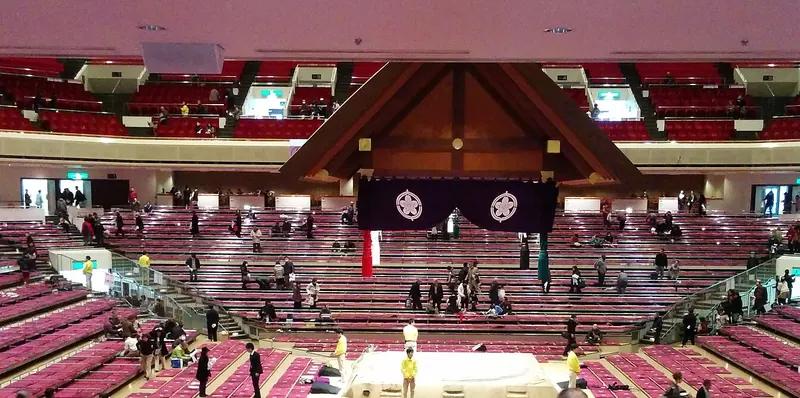
The three kinds of seat
- Tamari, ringside: cushions on the floor right beside the ring, 20,000 yen per person in 2026. Sold only on the Japanese site, and of the lotteries only the fan club's first round offers them. Only for ages 16 and over, with no photos, no phones and no eating or drinking in your seat.
- Masu, box seats: a square of floor with cushions, usually for four people. You take your shoes off, and the whole box is sold together, even if fewer of you go. In Tokyo the English site sells boxes for four only.
- Isu, chair seats: ordinary chairs at the back of the arena. Sold one by one, graded from S down to C or D, and the cheapest way to see a tournament. In Tokyo they are on the second floor.
The English site explains the boxes plainly: "In box seats, you must remove your shoes and sit on one of the square-shaped cushions provided inside the box. The basic rule is that 4 guests occupy one box." Four adults in one box is a tight fit for a whole day. GO TOKYO calls the boxes "likely a bit cramped by Western standards. If you'd like to enjoy the full day of action, a table seat with chairs is perhaps more comfortable." If sitting on the floor for hours would be hard for you, a chair seat is the simple answer, and Osaka and Fukuoka also sell seats for two with a table. On the Japanese site, boxes in Tokyo come in sizes from one person to six, depending on the grade, at the same price per person.
Sumo ticket prices in Tokyo from January 2027
The Japan Sumo Association announced on 30 July 2026 that prices in Tokyo and Osaka rise from the January 2027 tournament, and it added a new top grade of box, SS, for the first two rows, on 1 October. Its price list notes "※すべて1人あたりの料金です。", meaning that all prices are per person. In the table below, the lower figure is the weekday price, and the higher one is for day 14 and the final day in 2027, or for weekends and public holidays in 2026. Prices are in yen and include tax.
| Seat in Tokyo, per person | 2026 | From January 2027 |
|---|---|---|
| Tamari, ringside | 20,000 | 25,000 to 30,000 |
| Box SS, rows 1 and 2 | not sold | 22,500 to 25,000 |
| Box S | 14,000 to 15,000 | 18,000 to 22,000 |
| Box A | 12,000 to 13,000 | 15,000 to 18,000 |
| Box B | 10,000 to 10,500 | 11,000 to 14,000 |
| Box C | 8,500 to 9,500 | 9,500 to 11,500 |
| Chair S | 9,000 to 9,500 | 11,000 to 13,000 |
| Chair A | 8,000 to 8,500 | 10,000 to 12,000 |
| Chair B | 5,000 to 5,500 | 6,000 to 8,000 |
| Chair C | 3,500 to 4,000 | 5,000 to 7,000 |
| Chair D, Japanese site only | 2,500 | 3,000 |
On the English site, a box is priced for all four people. In 2026 the cheapest box in Tokyo, Box C, cost 34,000 yen on a weekday and 38,000 yen at weekends, four times the price per person. Day 14 is always a Saturday and the final day a Sunday, and from 2027 these two days in Tokyo have a price level of their own.
What changes in Tokyo in January 2027
- 5,000yen for a weekday Chair C, the cheapest chair on the English site, up from 3,500
- 9,500yen per person for a weekday Box C, up from 8,500
- 3price levels instead of two: weekdays, weekends and holidays, and day 14 and the final day
Prices in Osaka, Nagoya and Fukuoka
Osaka's prices also rise from the March 2027 tournament. Most seats there go up by between 1,000 and 2,000 yen per person: a weekday Chair C goes from 4,000 to 5,000 yen, and a weekday Box C from 8,500 to 9,500 yen per person. Osaka also sells a box for two with a table, at 11,000 yen in 2026 and 13,000 yen from 2027. For Nagoya and Fukuoka, the price list says "入場料金改定せず", meaning no change to admission prices.
The English site shows these prices for the July tournament in Nagoya and the November tournament in Fukuoka. The lower figure is the weekday price, and the higher one is for weekends and holidays. Boxes are priced for four people, and chairs for one.
| Seat | Nagoya | Fukuoka |
|---|---|---|
| Box A, for 4 | 48,000 to 52,000 | 44,000 to 52,000 |
| Box B, for 4 | 40,000 to 44,000 | 38,000 to 40,000 |
| Box C, for 4 | 36,000 to 40,000 | 32,000 to 34,000 |
| Chair S | 9,000 to 10,000 | 5,500 to 6,000 |
| Chair A | 7,000 to 8,000 | 4,500 to 5,000 |
| Chair B | 6,000 to 7,000 | 2,500 to 3,000 |
| Chair C | 4,500 to 5,000 | 2,000 to 2,500 |
Fukuoka is the cheapest of the four cities: a weekday Chair C there costs 2,000 yen. Nagoya also sells Chair SS and Chair D seats. Fukuoka sells two seats for two people at 19,000 yen: a Box C for four used by only two, and a pair of chairs with a table.
Fees, children and wheelchair seats
What else to know about prices
- Fees: the English site adds 2,000 yen per ticket, and another 550 yen per ticket if you buy through its advance lottery. The Japanese site's system fee is 275 yen per ticket.
- Children: the English site says "※Children as 4 years old or older needs ticket." and "※There are no special discount for childrens' price." The Japanese site adds that a child under 4 needs a ticket only if they need a seat of their own.
- Children's seats on the Japanese site: a child's Chair D costs 500 yen, for ages 4 to 15. There are also family packs for groups with a child of 15 or under, such as a box for six or four chairs together.
- Wheelchair seats: at the January 2026 tournament in Tokyo, the English site said: "A wheelchair seat costs 8,000 yen and is for two people, a wheelchair user and one accompanying person." They are booked by phone only, in Japanese, and paid at a Seven-Eleven in Japan by the next day. In Nagoya you can also book them online.
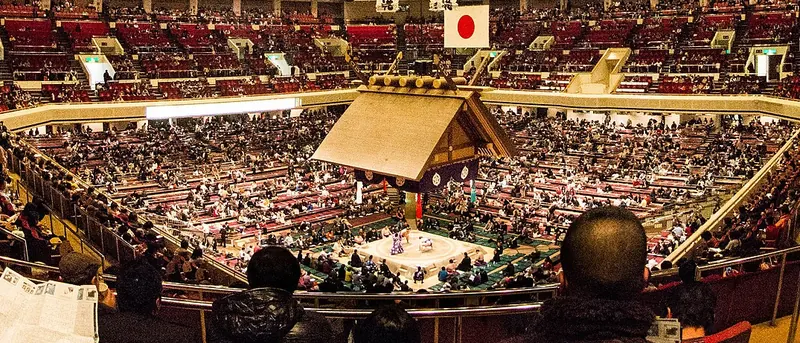
Buying sumo tickets from overseas
You can buy sumo tickets before you leave home. The Japan Sumo Association's How to Buy page keeps it short: "log on to one of the websites to place your order. It's as simple as that!" In practice the steps look like this on the English site.
How to buy sumo tickets from abroad
- Choose a tournament and a day: check the dates in the table above, and pick a second-choice day in case the first sells out.
- Note the sale date: look up the general sale date for your tournament, and work out what 10 a.m. Japan time on that Saturday is where you live.
- Have a credit card ready: the English site takes credit cards only. Our guide to credit cards in Japan explains which cards work best.
- Buy at the start of the sale: go to Ticket Oosumo English when the sale opens, choose your seats and pay. Boxes are sold whole, and chairs one by one.
- Keep the confirmation: the e-mail and the purchase completion screen tell you how to pick up the tickets. The site says: "For details how to pick up the ticket, please refer to the purchase completion screen and e-mail."
- Print the tickets in Japan: at any Seven-Eleven, after you arrive. Your seat number appears when the ticket is printed.
JNTO's advice is to move quickly: "It is best to reserve seats as early as possible, particularly if you want to get a box seat." Its page on Ryogoku adds: "Tickets often go fast, so keep an eye on the official website if you're planning to go." The credit card guide covers paying in Japan more generally.
Same-day tickets and sold-out days
You can buy a ticket on the day of the matches only if that day has not sold out. The English site sets out the rule for the Kokugikan in one line: "If tickets are sold out by the day of the event, no tickets will be sold on the day." The Japanese site says the same, "※当日までに完売の場合、当日券販売はございません。", meaning that if tickets sell out before the day, there is no same-day sale. On a day with seats left, the Japanese site keeps selling until 5 p.m. on the day itself, so check the site before you set off rather than going to the arena on the off chance.
A sold-out day does not have to mean no sumo at all. These are the options that are open to anyone.
If your day is sold out
- The official resale: on the Japanese site, people who cannot go sell their tickets at face value, and buyers are served first come, first served. Unprinted tickets can be listed until the night before, so seats can still appear late.
- Another day or tournament: look at the other days of the same tournament, or plan for the next one. Tickets for the January 2027 tournament in Tokyo go on sale on 5 December 2026.
- Ryogoku on a tournament day: you can walk round the sumo district of Tokyo without a ticket, and you may spot wrestlers in the street, as the section on Ryogoku below explains.
- A sumo show with dinner: the Asakusa Sumo Club in Tokyo runs a two-hour show with demonstrations by wrestlers, a meal of chanko-nabe and a chance to step into the ring yourself.
One thing that does not help on a sold-out day in Tokyo is the Sumo Museum inside the Kokugikan. It is free at other times, but during a tournament you need a match ticket to get in.
Resale and ticket touts
The official ticket site warns against other sellers in plain words: "Be careful of ticket resale sites!" Its notice on ticket use explains why: "The resale or transfer of tickets to third parties without the organizer's permission is strictly prohibited, including through internet auctions or any similar methods." The only exception is a ticket passed on to family, friends or colleagues, not for profit and not as a business.
The risk comes at the door. The same notice goes on: "Anyone who obtains tickets for the purpose of engaging in prohibited resale or transfer activities, including organizing tours or packages without the organizer's permission, may be refused entry to the event." Ticket Oosumo's Japanese resale page adds "不正転売されたチケットでは、当日ご入場いただけない場合がございます。", meaning that with a ticket that has been resold illegally, you may not be allowed in on the day.
The face-value resale is the official answer to sold-out days. Its rules are written in Japanese only, on the Japanese site, and this is how they work.
How the official resale works
- Where: on the Japanese site of Ticket Oosumo, with its rules in Japanese only.
- When it opens: on the Monday after the general sale opens, or the next business day if that Monday is a public holiday.
- Which tickets: QR-code tickets, and tickets paid by credit card that have not yet been printed at a Seven-Eleven.
- Selling: at face value, for a fee of 10% of the face value. QR tickets can be listed until 23:59 three days before the day, and unprinted tickets until 23:59 the day before. If nobody buys, the listing is cancelled and the ticket can be used as normal.
- Buying: first come, first served, by credit card only. You pay the face value plus the fees the seller paid when they first bought it, and you collect the ticket in the way the seller chose. Your registered name is printed on the ticket.
- Afterwards: neither side can change or cancel a sale. The site says to check the result on My Page, because its e-mails do not always arrive.
A day at the sumo
A tournament day is long. The English site sums it up: "Oosumo matches start in the morning and finish around 6 p.m." and "You can enjoy all matches from morning till night with your tickets." It also gives the time of the top bouts: "Main matches of the top-division Sumo wrestlers start around 2 p.m." At all four arenas in 2026, the doors open at 8:45 for the first 12 days, at 10:30 on days 13 and 14, a Friday and a Saturday, and at 10:00 on the final Sunday.
The order of the day follows rank. The Japan Sumo Association's introduction to sumo explains: "The matches start in the morning with those of the lowest-ranking rikishi, followed by those of progressively higher and higher rank, building up to a climax towards the end of the day with the bouts featuring the yokozuna." Rikishi is the Japanese word for a sumo wrestler, and yokozuna, the grand champions, are the top rank. Wrestlers in makushita and the divisions below fight on only seven of the 15 days.
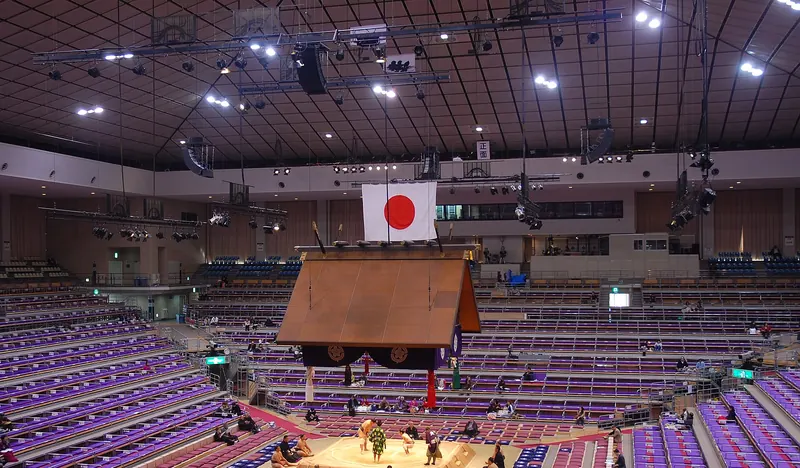
How a day at the sumo unfolds
- The lower divisions: the first bouts of the day, between the lowest-ranked wrestlers.
- The juryo ring-entering ceremony: the wrestlers of juryo, the division below the top one, perform their own ring-entering ceremony before their bouts.
- The juryo bouts: the second division's matches.
- The makuuchi ring-entering ceremony: the top division, makuuchi, enters the ring in embroidered silk aprons, one side at a time, in reverse order of rank.
- The yokozuna ring-entering ceremony: each yokozuna performs his own, with a senior gyoji (referee) and two makuuchi wrestlers, one of them carrying a sword.
- The makuuchi bouts: the top division, building up to the bouts of the yokozuna at the end of the day.
- The bow ceremony: after the final bout, a wrestler usually from makushita or below twirls a bow in the yumitori-shiki.
The aprons in the ring-entering ceremony are worth watching for. The introduction describes them as "beautifully made of silk, richly embroidered with different designs, and hemmed with gold fringe, cost upwards of approximately 1,000,000 yen." Over his apron the yokozuna has a thick rope of braided hemp, which usually weighs between 11 and 15 kg.
Each bout opens with a ritual that takes longer than the fight. The two wrestlers crouch forward, knuckles down, in a get-set position, then walk back to their own corners, take another handful of salt and throw it, and crouch once more. This is the shikiri. In the top division it usually goes on for the four minutes the rules permit, in juryo the limit is three minutes, and in the lowest divisions the wrestlers have to begin almost straight away. The salt purifies the ring, and only wrestlers of makuuchi and juryo, and sometimes makushita, throw it. When the bout finally starts, "The bout itself is usually over quite quickly, in less time than it took for warming up". The Japan Sumo Association counts 82 winning techniques, and many of them depend on a grip on the other wrestler's mawashi, the belt.
Each bout in numbers
- 4minutes at most for the shikiri, the warm-up ritual before a top-division bout
- 3minutes at most in juryo, the second division
- 82winning techniques recognised by the Japan Sumo Association
GO TOKYO notes one more ritual: "Sponsoring companies are displayed on cloth banners carried around the ring before matches start." And it warns that the hall is not quiet: "While the atmosphere is respectful, the crowd gets rowdy and loud, especially during epic matches."
Food, drink and leaving the arena
Eating and drinking in the box seats is part of the day, though not at ringside. GO TOKYO says: "Sumo is a fun and exciting event, and the arena has many options for alcoholic beverages and great traditional food." It adds: "There are also many vendors selling merchandise for individual sumo legends." JNTO's list of things to do includes "Sampling sake and yakitori at the sumo stadium" and "Watching the arrival of the high-ranking wrestlers in the afternoon".
Leaving and coming back
- Tokyo and Osaka: you can go out and come back once, and must be back by 5 p.m. The English site says: "Re-entry is limited to one time, please return by 17:00."
- Nagoya: the English site says: "Re-entry is not permitted."
- Fukuoka: you can go out and come back as often as you like, as long as you are back by 5 p.m.
- Your ticket: keep it until you leave. The contract terms say you must hold on to the stub and show it to staff if they ask.
The Sumo Spectator Contract Terms also set the house rules. Most are common sense, and these are the ones visitors are most likely to meet.
House rules at a sumo arena
- Leave glass bottles and cans behind: the terms ban glass bottles, cans and cool boxes, dangerous items, and pets other than guide dogs and hearing dogs. Bags can be checked at the entrance.
- Arrive sober: staff can refuse entry to anyone who is clearly drunk.
- Stay in your own seat: do not sit in other seats, or watch from the aisles, stairs or exits.
- Keep to your space: do not climb or sit astride the rails, or lean out beyond your seat.
- Throw nothing: nothing may be thrown into the ring, the seats, the aisles or the stairs.
- No flash in people's eyes: do not use a flash or a light in a way that blocks the view or disrupts the bouts.
- Cheer, but not as a band: trumpets, drums, whistles and other instruments are banned, and so are banners that block the view and organised group cheering.
- Watch the ring: the terms ask spectators to keep an eye out at all times for falling wrestlers and referees, and for flying objects.
Getting to the sumo arenas
Each tournament has its own arena, and all four are close to a station or a bus stop. Plan on public transport: the official access pages say there is no parking at the Kokugikan in Tokyo or at IG Arena in Nagoya.
The four sumo arenas
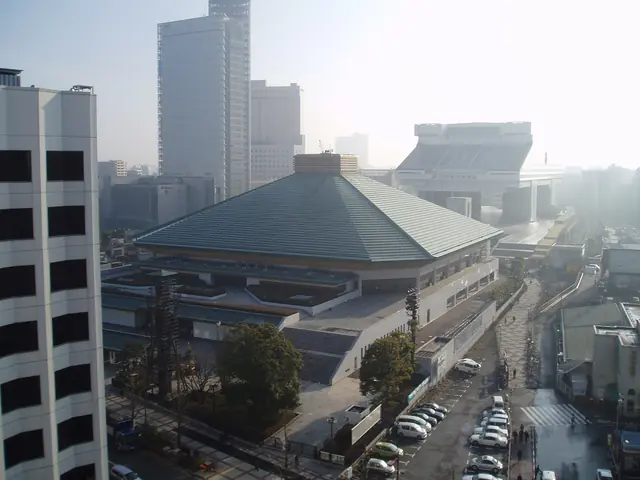 Tokyo, Ryogoku Kokugikan: the January, May and September tournaments. Two minutes on foot from the West Exit of JR Ryogoku Station on the Sobu Line, or five minutes from Ryogoku Station on the Toei Oedo Line. The arena holds 11,098 people, and there is no parking.
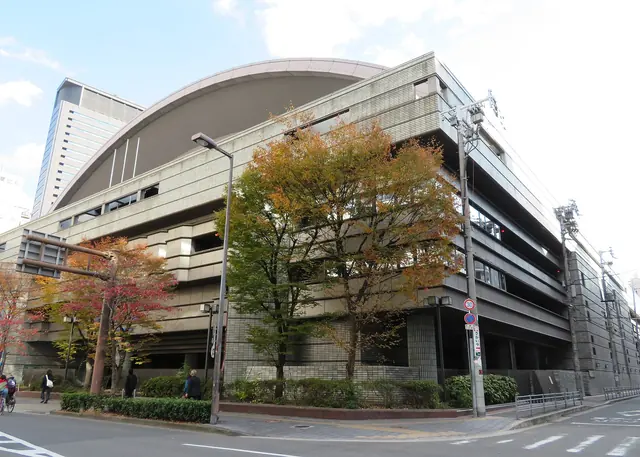 Osaka, Edion Arena Osaka: the March tournament, in the building also called the Osaka Prefectural Gymnasium. Two minutes on foot from JR Namba and Nankai Namba stations, or take the subway to Namba.
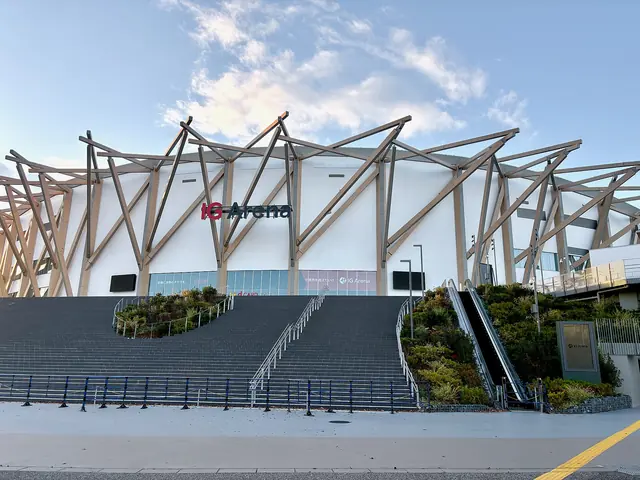 Nagoya, IG Arena: the July tournament. Right by Exit 4 of Meijo-koen Station on the Meijo subway line. There is no parking and no drop-off point.
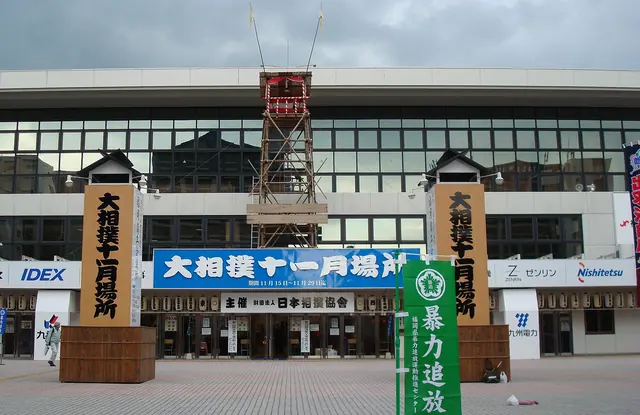 Fukuoka, Fukuoka Kokusai Center: the November tournament. Nishitetsu buses run from Hakata Station and from Tenjin, as shown below.
For the Kokugikan, the JR Sobu Line takes you to the door. GO TOKYO gives these times to Ryogoku: "From Haneda Airport: 55 minutes by train. From Narita Airport: 90 minutes by train. From Shinjuku Station: 22 minutes on the JR Sobu Line to Ryogoku Station." From Tokyo Station, take the Yamanote Line to Akihabara and change to the Sobu Line, a trip of 13 to 16 minutes.
JNTO adds a warning for match days: "During tournament season the station can get quite crowded, so arriving early is recommended." An IC card such as Suica pays for all of these trains, and our Suica guide explains how to get one.
Train times to Ryogoku
- 55minutes by train from Haneda Airport
- 90minutes by train from Narita Airport
- 22minutes from Shinjuku on the JR Sobu Line
Nagoya and Fukuoka need a little more planning. In Nagoya the problem is the crowd at the end of the day, and in Fukuoka the arena is reached by bus. The official access pages give these details, with the bus stops in Japanese as they appear on the signs.
Getting to Nagoya and Fukuoka
- Nagoya by subway: get off at Meijo-koen Station on the Meijo Line. When it is crowded, the official page suggests other stations such as Joshin on the Tsurumai Line, about 20 minutes away on foot.
- Nagoya by car or taxi: during the tournament, taxi apps cannot send cars to the area around the arena from 17:30 to 19:00, which is when the day's bouts end. In July 2026 the northbound lanes of Otsu-dori and the road north of the arena were no-parking all day.
- Fukuoka from Hakata Station: take a Nishitetsu bus from stop F in front of the Fukuoka Center Building (福岡センタービル前). Bus 88 stops at 国際会議場・サンパレス前, and bus 99 at 国際センター・サンパレス前.
- Fukuoka from Tenjin: take a Nishitetsu bus from stop 2A in front of Solaria Stage (天神ソラリアステージ前). Bus 80 stops at 国際センター・サンパレス前, and bus 90 at 博多ふ頭入口.
If you need a taxi at the end of the day anywhere, our taxi guide explains how taxis and taxi apps work in Japan.
Ryogoku beyond the matches
Ryogoku, the district around the Kokugikan, is worth a visit with or without a match ticket. GO TOKYO describes the arena as "right next to the station, distinguished by its large, low, green roof. During tournament seasons, the area is festooned with colored flags denoting the names of competitors." Those flags are the tall banners in the photo at the top of this page.
The Sumo Museum
The Sumo Museum is inside the Kokugikan, on the first floor (1F). Its exhibits change, and GO TOKYO lists among them "original woodblock prints, sumo dolls and the large embroidered aprons, called kesho-mawashi, worn by highest-ranking wrestlers."
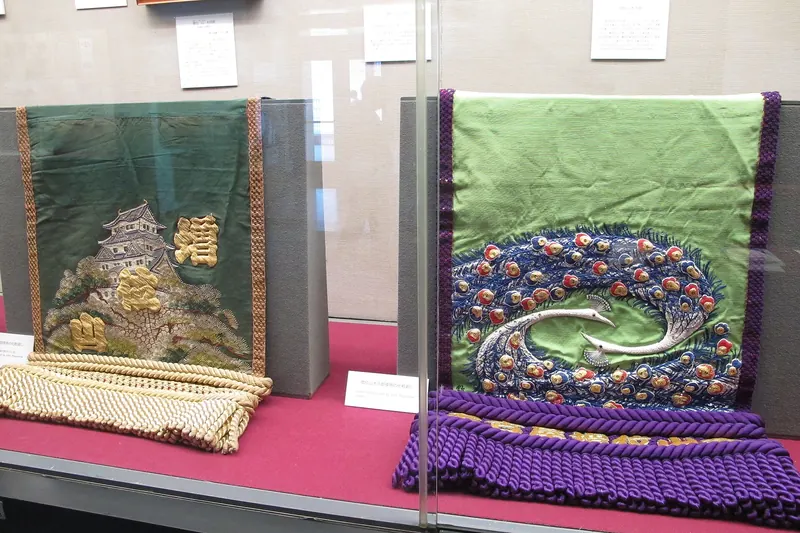
The Sumo Museum
- Where: inside the Ryogoku Kokugikan, at 1-3-28 Yoko-ami, Sumida-ku, Tokyo.
- Opening hours: 10:00 to 16:30, with last entry at 16:00. On tournament days it opens from 12:30 to 16:00, and you need a match ticket.
- Closed: at weekends and on national holidays, though there are exceptions, and in the last days of December and over the New Year holidays. It can also close to change its displays, so check the museum's calendar before you go.
- Price: free.
- Groups: a group of more than 20 should contact the museum first, as the exhibition room is only 150 square metres.
Chanko-nabe in Ryogoku
After the museum, have lunch the way the wrestlers do. GO TOKYO says: "Chanko-nabe is every sumo wrestler's daily staple." The wrestlers of a stable cook it in one huge pot and eat it together, a hotpot packed with vegetables, meat and seafood. The dish dates from the Edo period, some 400 years ago. JNTO's list of things not to miss starts with "Trying a bowl of chanko nabe, a rich stew traditionally eaten by sumo wrestlers".
One well-known place is Chanko Kirishima, a restaurant on eight floors, a two-minute walk from the Kokugikan. Its founder, the former wrestler Kirishima, opened it in 1997 after he retired as an ozeki, the second-highest rank. He is known today as Michinoku Kazuhiro. Its broth is inspired by the tonkotsu ramen of Kyushu, his home region: a pork and chicken stock lifted with yuzu kosho, a spicy citrus paste. The menus are in English, with clear photos. It is busy during tournaments, so GO TOKYO says to book ahead, by phone or online.
Ryogoku has more to see than sumo. These four stops are all in the district, and the first two are museums.
More to see in Ryogoku
- Edo-Tokyo Museum: GO TOKYO calls it "A fascinating look at how Tokyo developed over 400 years", with original artefacts, life-size dioramas and small models of the city. It reopened on 31 March 2026 after years of renovation.
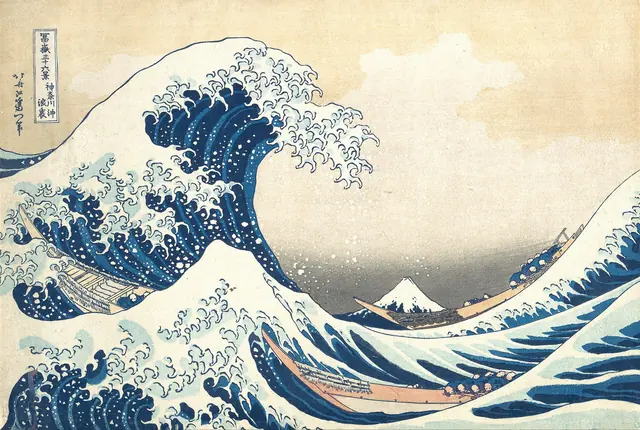 Sumida Hokusai Museum: a museum of the work of Katsushika Hokusai, whose prints include The Great Wave off the Coast of Kanagawa. GO TOKYO notes: "He spent most of his life in this area". Alongside its permanent collection it holds temporary exhibitions, and some displays are interactive.
- Ryogoku Edo Noren: a complex joined to Ryogoku Station and built to look like an Edo-period street (1603 to 1867), where Japanese restaurants surround a sumo ring. At weekends it holds cultural events, including bouts in which visitors take on a former wrestler.
- Kokugikan Street: a few steps from the west exit of Ryogoku Station, with bronze statues of wrestlers standing along the road. The pedestals carry bronze handprints of past yokozuna, and you can put your hand against them to compare sizes.
Sumo stables and morning practice
Professional wrestlers train at their stables, and many stables are in Ryogoku. GO TOKYO's guide to the district says that some stables let visitors watch morning practice, but under strict conditions, and that you need to research them yourself. Its walking guide points to the simpler way: "Get up early to visit a sumo stable to watch the training, through an organized tour".
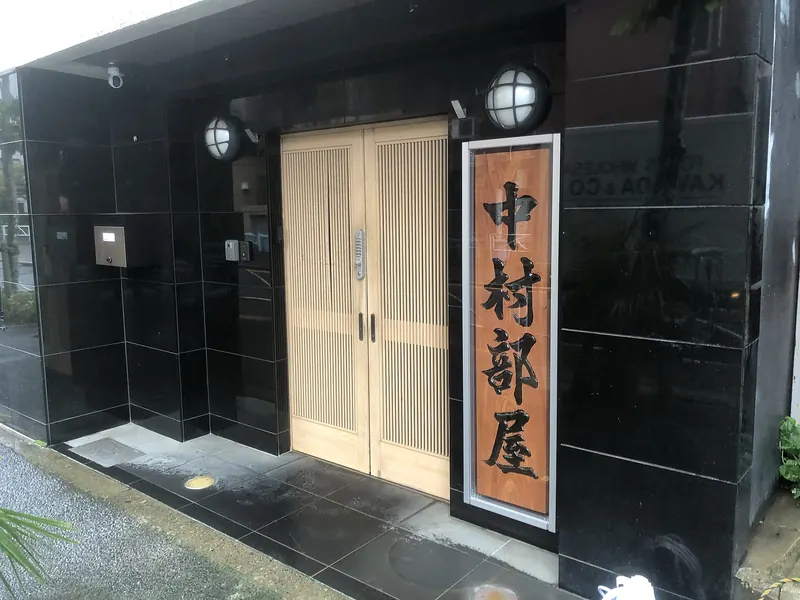
Even without a tour, you may see wrestlers in the street. GO TOKYO says: "Ryogoku is home to many sumo stables too, so it's not unusual to spot real wrestlers out and about, especially during the tournament days." JNTO tells you what to look for: wrestlers "walking around dressed in kimono with their hair styled in the traditional topknot."
For something to take home, or for a taste of sumo on a day without tickets, these two places are worth knowing. Our souvenir guide has more ideas for gifts from Japan.
Two more sumo stops
- Ryogoku Takahashi: a sumo souvenir shop three minutes from the Kokugikan. It was founded in 1912 as a futon maker for local inns and restaurants, and after the present Kokugikan was built in 1985 it began making goods for wrestlers, such as floor cushions, tabi and hair wax. Today it sells everything from stationery and mugs to keychains and handmade coin purses.
- Asakusa Sumo Club: a two-hour show in Asakusa, at 1F, 2-10-12 Asakusa, Taito City, with a host who speaks English. Wrestlers, some of them former professionals, show the moves, there is time for questions, and then you can step into the ring to take them on. The ticket includes unlimited chanko-nabe and side dishes, one drink, a printed photo with the wrestlers and a small souvenir bag.
Frequently asked questions
How do I buy sumo tickets?
On Ticket Oosumo, the official ticket site for the Grand Sumo Tournaments, which has an English version. The English site takes credit cards only and adds a service fee of 2,000 yen per ticket, and you print the tickets at a Seven-Eleven in Japan.
When do tickets for the January 2027 tournament go on sale?
The general sale opens at 10 a.m. Japan time on Saturday 5 December 2026. The tournament runs from 10 to 24 January 2027 at the Ryogoku Kokugikan in Tokyo, and lotteries are held in the weeks before the general sale.
Can I still get tickets for November 2026 in Fukuoka?
When we checked on 17 October 2026, all 15 days from 8 to 22 November were sold out, so there will be no tickets on the day either. The only official chance left is the face-value resale on the Japanese site.
How much do sumo tickets cost?
In Tokyo the cheapest chair seat on the English site costs 3,500 yen on a weekday at present and 5,000 yen from January 2027. A box for four starts from 34,000 yen on a weekday at present. Fukuoka is the cheapest city, with chair seats from 2,000 yen on a weekday.
Can I buy sumo tickets at the arena?
At the Kokugikan in Tokyo, only on the day itself, and only if that day has not sold out. The Japanese site says there is no advance sale at the box office, so check the official site before you go.
Is it safe to buy sumo tickets on resale sites?
No. Reselling tickets without the organiser's permission is banned, a ticket that was resold illegally may not get you in, and a spectator who is refused entry gets no refund. The safe way is the official resale at face value.
What time should I arrive at the sumo?
The bouts start in the morning with the lowest ranks and end around 6 p.m., and the top division starts around 2 p.m. In 2026 the doors open at 8:45 on the first 12 days. In Tokyo and Osaka you can go out and come back once, by 5 p.m., while Nagoya allows no re-entry.
Can I eat and drink at the sumo?
Yes. At the Kokugikan in Tokyo there are plenty of drinks and traditional food on sale, and you can eat and drink in the box seats, though not at ringside. Glass bottles, cans and cool boxes are not allowed in.
Can I see sumo without a match ticket?
Yes, in several ways. You can walk round Ryogoku and visit the Sumo Museum for free outside tournament days, watch morning practice at a stable on an organised tour, or go to a sumo show with dinner such as the Asakusa Sumo Club.
Do children need a sumo ticket?
On the English site, children aged 4 and over need a ticket, and there are no child prices. The Japanese site sells a children's Chair D for 500 yen, for ages 4 to 15.
Sources
Official and primary sources used for this page. Checked October 17, 2026.
- Japan Sumo Association: Grand Tournament Schedule — tournament dates and general sale dates for 2026 to 2028
- Japan Sumo Association: How to Buy — the official ticket site and how to order
- Japan Sumo Association: Sumo introduction (PDF) — the order of the day, ring-entering ceremonies, aprons, the shikiri, salt, winning techniques
- Japan Sumo Association: Sumo Museum — location, opening hours, closing days, free entry, tickets on tournament days, groups
- Japan Sumo Association: Notice of baggage inspection — bag checks at the entrance
Show all 35 sources
- 日本相撲協会: 本場所入場料金 (令和9年一月場所以降) (PDF, in Japanese) — seat prices from January 2027, per person
- 日本相撲協会: 令和九年一月場所(東京)入場券情報 (in Japanese) — the January 2027 dates, the sale on 5 December 2026, the price change, the resale ban
- 日本相撲協会: 観戦契約約款 (in Japanese) — the Sumo Spectator Contract Terms: resale, refunds, banned items, house rules
- 日本相撲協会: 国技館 概要 (in Japanese) — the Kokugikan's capacity
- 日本相撲協会: 令和九年一月場所(東京)アクセス (in Japanese) — getting to the Kokugikan, no parking
- 日本相撲協会: アクセス 大阪 (in Japanese) — getting to Edion Arena Osaka
- 日本相撲協会: アクセス 名古屋 (in Japanese) — getting to IG Arena, parking, taxi apps
- 日本相撲協会: 令和八年十一月場所(福岡)アクセス (in Japanese) — buses to Fukuoka Kokusai Center
- Ticket Oosumo English: Official Sumo tickets — payment, fees, Seven-Eleven tickets, the warning about other sellers, phone line
- Ticket Oosumo: January Grand Tournament — door times, match times, re-entry, prices, children, wheelchair seats
- Ticket Oosumo: March Grand Tournament — Osaka seats, prices and re-entry
- Ticket Oosumo: May Grand Tournament — Tokyo seats and prices
- Ticket Oosumo: July Grand Tournament — Nagoya seats, prices and re-entry
- Ticket Oosumo: September Grand Tournament — Tokyo seats and prices
- Ticket Oosumo: November Grand Tournament — Fukuoka seats, prices and re-entry
- Ticket Oosumo: November Grand Tournament, View Available Seats — the Fukuoka sell-out, checked on 17 October 2026
- チケット大相撲: 1月場所チケット予約・販売情報 (in Japanese) — lotteries, the general sale, same-day tickets, no advance sale at the box office, ticket use
- チケット大相撲: 1月場所席種情報 (in Japanese) — box sizes, children's seats and family packs
- チケット大相撲: 定価リセールサービス (in Japanese) — how the face-value resale works
- チケット大相撲: 利用登録 (in Japanese) — registering on the Japanese site
- Ticket Oosumo: notice on fees (in Japanese) — the system fee on the Japanese site
- Ticket Oosumo: notice on phone sales (in Japanese) — when phone sales close
- Ticket Oosumo: notice on the start of the resale (in Japanese) — when the resale opens
- Ticket Oosumo: notice on identity checks and 3-D Secure (in Japanese) — phone checks and 3-D Secure 2.0 on the Japanese site
- JNTO: Tokyo Sumo Tournaments — tournament length, seats, booking early, things not to miss, crowds at the station
- JNTO: Ryogoku — tickets selling fast, wrestlers in the street
- GO TOKYO: Sumo for the Win: Japan's National Obsession with Deep Cultural Ties — the 2024 sell-out, box seats, banners, the crowd, food and merchandise
- GO TOKYO: Ryogoku – the center of sumo — train times, the Edo-Tokyo Museum reopening, stable visits
- GO TOKYO: Explore around Ryogoku — the Kokugikan, the Sumo Museum, museums, Edo Noren, stable tours, the chanko map
- GO TOKYO: Feel the Spirit of Sumo in Tokyo — Spots to Experience Japan's Iconic Sport Beyond the Ring — chanko-nabe, Chanko Kirishima, Kokugikan Street, Ryogoku Takahashi, Asakusa Sumo Club
Related guides
To cite or link to this page: Sumo tickets in Japan: the 2026 and 2027 tournament dates, when tickets go on sale, seat prices, buying from abroad and the day itself — Japan Pocket Guide, https://japanpocketguide.com/culture/sumo-tickets/