Snacks & sweets · DIY candy kits
Japanese DIY candy kits: Popin' Cookin', Nerunerunerune and the other kits on sale now, what is in them and where to buy them
Japan sells small boxes of powder that turn, with a little water, into sweets shaped like sushi, hamburgers and doughnuts, or into a cup of foam that changes colour as you stir. This guide covers the kits of one maker, Kracie, whose brands are Popin' Cookin' and Nerunerunerune. It goes through the kits on Kracie's own product list today, what each one makes, which ones need a microwave, what the allergen marks say, where the English instructions are and where the kits are sold.
Last checked · Sources

In short
On 12 October 2026 Kracie's product pages listed 28 products in its DIY candy range: 10 Popin' Cookin' kits, from sushi and hamburger to doughnut and bakery, nine in the Nerunerunerune family and nine others. Twenty-six are kits you make yourself and two are bags of ready-made tablets. Six Popin' Cookin' kits need a microwave, while the sushi and ice cream kits need only water. Kracie's releases name supermarkets, drugstores and convenience stores across Japan as the places they are sold, with three regional kits at souvenir shops. The product pages give no prices. Kracie publishes one-page English instructions for four kits.
Japanese DIY candy kits at a glance
A Japanese DIY candy kit is a small box or bag that holds sachets of powder, a plastic tray and a few tools. You add water, mix, shape and decorate, and what you end up with is a sweet you can eat. The kits covered here are all made by Kracie, whose website listed 28 products in the range when it was read on 12 October 2026. The sections below take those 28 one by one, then turn to the instruction sheets the company has put into English and to the kinds of shop its releases name. Further down are the things people search for most, such as whether the kits are safe to eat and whether they are halal.
Two things to know before you read on. Kracie does not pay this site, and nor does any shop. And nobody here has made or tasted the kits, so every fact about the kits is taken from something Kracie itself has published: product pages, press releases, answers to customers and instruction sheets, each one given under Sources. Words about taste and texture are therefore the maker's, turned into English. If Kracie's pages leave a gap, as they do on today's prices, the page tells you there is a gap.
What are Japanese DIY candy kits called, and who makes them?
The kits in this guide are made by Kracie, and in Japanese the company calls the whole range 知育菓子 (chiiku-gashi). The first half, 知育, is a word for educating the mind, and 菓子 means sweets. Kracie writes the name with a registered-trade-mark sign every time it uses it, so treat it as the company's brand name for its own range. This guide did not read the pages of any other maker.
English has no single name for them. People search for DIY candy kits, Japanese candy kits or candy-making kits, and very often just for the two best-known names.
- Popin' Cookin' (ポッピンクッキン): a series of kits for making miniature sweets that look like other food, such as sushi, hamburgers and pizza. Most of the Japanese names end in やさん (-ya-san), which means a shop, so たのしいおすしやさん is 'fun sushi shop'. A release Kracie published in 2019 described the brand as a way to enjoy playing shop at home.
- Nerunerunerune (ねるねるねるね): a powder you mix with water in a small tray until it changes colour and puffs up. It has been on sale since 1986.
- The rest: nine other products, from a gummy you pull up on a straw to a liquid you can pick up with your fingers.
Kracie has also put the range in the calendar. In 2021 it set 19 July as a day for chiiku-gashi.
Kracie's pages say a good deal about what making the kits does for children. Those are the maker's own claims, and this guide does not repeat them. What it does take from those pages is practical.
- A difficulty mark: Kracie says every product carries one, set by the number of steps. The brand site shows it as stars out of five, and the tables below give it for each kit.
- Age: Kracie says children of about three can enjoy Nerunerunerune, and that the range runs up to products for adults. Its pages give no age rating kit by kit.
Where are the kits made?
In Japan. A notice Kracie published on 31 May 2023 named two factories, Fukuchiyama and Takatsuki No. 1, as the main ones for the range at the time, and announced a new factory in Fukuchiyama, in Kyoto Prefecture. The plan in the notice was for the building to be finished and to start early production within 2025, and for full operation within 2026, with 1.4 times the capacity of the time. The notice listed Nerunerunerune, Oekaki Gummy Land and the Popin' Cookin' series among the products the new factory would make.
This site did not read a later notice saying the plan was carried out, so take those dates as the plan, not as a report.
Which DIY candy kits are on sale in Japan now?
Kracie's website listed 28 products in this range on 12 October 2026. Ten carry the Popin' Cookin' name, nine belong to the Nerunerunerune family and nine are other products. Two of the 28 are bags of ready-made tablets with the Nerunerunerune taste, so 26 are kits you make yourself.
The children's brand site for the range counts a little differently. Its list shows 26 entries, because it puts the two flavours of the standard Nerunerunerune under one entry, leaves out the two bags of tablets and still shows a cake-house kit that was sold for a limited period.
The Popin' Cookin' kits
| Kit | What you make | Difficulty out of 5 | Microwave | Allergens marked |
|---|---|---|---|---|
| Sushi, たのしいおすしやさん | Tuna, egg and salmon-roe sushi, scattered sushi and soy sauce | 4 | No, powder and water only | Milk, squid, gelatine |
| Hamburger, ハンバーガーやさん | Two mini hamburgers, fries and cola | 5 | Yes | Wheat, egg, milk, soy, chicken, pork |
| Whipped cake, ホイップケーキやさん | A tart, a wafer and two cones, decorated with piped cream | 3 | Not mentioned | Wheat, milk, soy |
| Festival stall, たのしいおまつりやさん | Candy apple, corn on the cob, shaved ice and chocolate banana | 4 | Not mentioned | Milk, soy, gelatine |
| Pâtissier, なりきりパティシエ | Shortcake, chocolate cake, fruit cake, melon jelly and fruit tart | 5 | Yes | Wheat, egg, milk, soy |
| Ice cream, たのしいアイスやさん | Round scoops in vanilla, strawberry and soda | 3 | No, powder and water only | Milk, soy |
| Pizza, たのしいピザやさん | Two pizzas, fries and melon soda | 4 | Yes, to melt the cheese | Egg, milk, soy, chicken, gelatine |
| Takoyaki and okonomiyaki, たこやきかいなお好みやきかいな | Vanilla takoyaki and chocolate okonomiyaki | No mark shown | Yes | Wheat, egg, milk, soy |
| Doughnut, たのしいドーナツやさん | Four doughnuts, two custard and two cocoa | 4 | Yes | Wheat, egg, milk, soy |
| Bakery, たのしいパンやさん | Melon bread, bear-shaped bread, a chocolate cornet and a strawberry jam sandwich | 4 | Yes | Egg, milk, soy |
The difficulty figures are the stars shown on the children's brand site. The microwave column follows the wording of each product page: Yes means the page says a microwave is used, and Not mentioned means the page says nothing either way. The allergen column lists the items marked on each product page out of the 29 that the page covers. The section on halal, vegan and gluten further down explains those marks.
What each Popin' Cookin' kit makes
Each line below sums up, in this site's English, how Kracie's product page describes the kit.
- Sushi: made with powder and water only. The rice is soda flavour, the tuna grape, the egg apple and the salmon roe mikan soda, mikan being a Japanese mandarin. A dropper lets you drip one liquid into another so that the roe forms grain by grain, and there is a soda-flavoured soy sauce. Mixing the egg base and the tuna base gives a salmon topping as an extra.
- Hamburger: you use a microwave, and a small knife to cut the buns, the patties and the fries. It makes two mini hamburgers with fries and cola, and a printed sheet folds into a flag, a fries case and a cup. Kracie says the cheese powder in this kit is 100% cheddar.
- Whipped cake: a cream that mixes strawberry and vanilla flavours is piped on to one tart, one wafer and two cones, then finished with chocolate sauce and heart-shaped toppings.
- Festival stall: four foods from a Japanese festival, made with powder, water and candy. The candy apple is apple flavour, the corn on the cob is grape, the shaved ice is Blue Hawaii, and the chocolate banana takes toppings. The box cuts up into play coins.
- Pâtissier: five small sweets with different textures, decorated with fruit jelly and piped cream on an afternoon-tea theme. Kracie's release said it was made for children in the upper years of primary school, and it carries the top difficulty mark.
- Ice cream: sold as ice cream that does not melt. You mix the base with water, let it set, press it into a tray shaped like an ice-cream scoop and push out a round ball. The flavours are vanilla, strawberry and soda, with strawberry jelly, banana and chocolate sauce as toppings.
- Pizza: two pizzas topped with bacon and cheese, plus fries and melon soda. You knead and stretch the dough yourself, and the cheese melts when it is warmed in a microwave. The mould for the fries comes in five types, one to a box.
- Takoyaki and okonomiyaki: sweet versions of two Osaka street foods, sold only in the Kansai area. The takoyaki is vanilla and made like sponge cake, and you flip it over as you would the real thing. The okonomiyaki is chocolate, in the style of a soft cookie. Chocolate sauce stands in for the brown sauce and custard cream for the mayonnaise. The instructions are written in Kansai dialect, and so is the name, which means roughly 'takoyaki, is it? okonomiyaki, is it?'
- Doughnut: four doughnuts, which the microwave makes fluffy. They are decorated with vanilla and strawberry cream, chocolate sauce and three kinds of topping, and a mould presses a pattern into them.
- Bakery: the newest kit, released on 7 September 2026. It makes four breads, and the page says the taste, smell and texture were worked on as well as the look.
How many Popin' Cookin' kits are there?
Ten on Kracie's list on 12 October 2026. A release from February 2025 said the series had eight kinds at that time. Kracie's pages give no total for every kit ever sold under the name.
Kits that have come and gone
The range changes often, so a video or a blog from a few years ago may show a kit you can no longer find.
- Ramen and Kurukuru Takoyaki: both were renewed together with the sushi kit on 18 March 2019. Neither is on the list now.
- Colourful Ice Shop: released on 6 September 2021. It is not on the list now, and the ice cream kit above is a different product.
- Chocolate Fondue Party: released on 2 September 2024, the same day as the pizza kit. It is not on the list now.
- Cake house: sold for a limited period from 17 November 2025. The brand site still showed it in October 2026, but its product page could not be read.
- Doughnut: it came back on 1 September 2025 after three years away, with a microwave step that the earlier version did not have.
The last point matters if you follow old instructions. A kit can keep its name and change how it is made.
What is Nerunerunerune?
Nerunerunerune (ねるねるねるね) is the oldest name in the range. It is a sachet of powder that you mix with water in a small tray, where it changes colour and puffs up into a soft foam that you eat with the spoon in the pack. Kracie says it was born in 1986 from the idea of children playing with mud, and 2026 is its 40th year. A witch has appeared in its television advertisements since the launch.
What does Nerunerunerune mean?
Read as plain Japanese, the name repeats the verb 練る (neru), which means to knead or to work something into a paste. The line at the top of the product page uses the same verb: ねっておいしいふわふわお菓子, roughly 'the fluffy sweet that tastes good once you knead it'. Kracie's pages read for this guide tell no longer story about the name than that. The company's English instruction sheet spells it as two words, Neruneru Nerune.
How do you make it?
Kracie's English sheet for the grape flavour starts with two things to do first: wash your hands and have a glass of water ready. Then it sets out three steps.
- Step 1: cut the small measuring cup off the tray. Tip powder no. 1 into the round hollow, add one cupful of water and knead well with the spoon.
- Step 2: add powder no. 2 and stir until the colour changes. Once it has changed, it is ready to eat.
- Step 3: tip sachet no. 3, a sparkling candy topping, into the other hollow of the tray and eat the foam with it.
The sheet says water is the only thing you need to add, and it asks adults to help small children.
How does the colour change work?
Kracie explains it in its own questions-and-answers pages. Powder no. 1 of the grape flavour holds a natural pigment that changes colour with acid and alkali. Powder no. 2 holds an acidulant, so stirring it in turns the mixture acidic and the colour shifts. The pigment is anthocyanin, the one found in purple cabbage. The English sheet gives the rule in three colours: red if the mix is acidic, purple if it is neutral and blue if it is alkaline.
The swelling has the same cause. The powders hold baking soda and an acid, the two react, and the bubbles they give off puff the mixture up.
Nerunerunerune flavours and sizes
| Product | Weight | Difficulty out of 5 | Allergens marked | Notes |
|---|---|---|---|---|
| Grape, ねるねるねるね ぶどう味 | 23.5 g | 1 | Egg | The standard pack |
| Soda, ねるねるねるね ソーダ味 | 25.5 g | 1 | Egg | The standard pack |
| Space fruit, うちゅうのフルーツ味 | 20 g | 1 | Egg | 40th-anniversary flavour, on sale from 16 February 2026 |
| For adults, 大人のねるねるねるね シャインマスカット味 | 21 g | 2 | Egg, milk | On sale from 7 September 2026 |
| DX, DXねるねる ぶどう&コーラ味 | 69 g | 2 | Egg, milk, squid | A big pack for four or five people |
| Hokkaido Miracle Melon, 北海道ミラクルメロン味 | 67 g | 2 | Egg, milk | Sold only in Hokkaido, for four or five people |
| Okinawa pineapple, 沖縄パイン味 | 62 g | 1 | Egg, milk | Sold only in Okinawa, for four or five people |
| Tablets, 超固めちゃいました | 21 g | Not a kit | Milk | Ready-made, grape and soda |
| Tablets, 超固めちゃいました コーラ&メロンソーダ味 | 21 g | Not a kit | Milk | Ready-made, on sale from 5 October 2026 |
The weight is the serving that each product page uses for its nutrition figures. What the product pages say about each one, in this site's English:
- Grape and soda: the standard packs, both recently renewed. The measuring cup comes off the tray easily and can be filled with either hand, and the instructions are drawn as pictures so that a small child can follow them. The tray was made thinner to use less plastic.
- Space fruit: a mixed-berry flavour that turns from bright blue to bright purple. It comes with star-shaped pieces and a pineapple-flavoured sauce. Kracie says it grew out of a 2025 project that collected ideas from the public.
- For adults: made with Shine Muscat grape juice and paired with a jelly, a first for the adults' series, plus a fizzy topping. The release said it was aimed at adults who enjoyed Nerunerunerune as children.
- DX: the party size. You eat it as grape first, then stir in a powder that turns it into cola. Four toppings come with it, one of which the page says turns your tongue black, along with a large spoon and five paper spoons. The page adds that some shops do not stock it.
- Hokkaido Miracle Melon: it starts as a white, yoghurt-flavoured foam meant to look like a snowy mountain. A melon powder turns it orange and melon flavoured. It is made with juice from Hokkaido melons and has a crunchy topping made to look like ice.
- Okinawa pineapple: made with juice from Okinawa pineapples. One of its four toppings is a brown-sugar powder found only in this pack.
- The two bags of tablets: these are not kits. They are fizzy ramune tablets made to taste like Nerunerunerune, in a resealable bag, for eating where there is no water to mix with. The first holds grape and soda, the second cola and melon soda. Both pages ask children and elderly people to take care not to choke on them.
Flavours come and go here too. A melon flavour that recreates the first Nerunerunerune of 1986 went on sale on 15 June 2026, with two package designs, one of them copying the design from the launch. It was not on the product list when this page was checked. A cola flavour sat next to grape and soda in a 2019 release and is not on the list now. That same release said more than 50 kinds had been sold since 1986.
What does Nerunerunerune taste like?
This site has not tasted it, so the only description it can give is the maker's. Kracie calls it a fluffy sweet. The flavours are fruit and soft-drink ones: grape, soda, mixed berry, Shine Muscat, cola, melon and pineapple. The Hokkaido pack starts out as yoghurt flavour. Toppings in the bigger packs are described as sour, popping or fizzy, and the pages for the tablets describe a fizz in the mouth.
What other DIY candy kits does Kracie make?
Nine products on the list belong to neither of the two big names. Most of them are built around one trick.
| Kit | What you do | Difficulty out of 5 | Allergens marked |
|---|---|---|---|
| Gumi Tsureta, グミつれた ぶどう味&ソーダ味 | Sprinkle powder over a straw and lift it to pull up a long gummy | 2 | Egg |
| Narunaru Gumi no Mi, なるなるグミの実 | Dip a small tree in powder and juice by turns until gummy fruit grows on it | 3 | Soy |
| Punikawa My Melody, つくっちゃお!ぷにかわマイメロディ | Coat a white ramune tablet in pink gummy again and again to build a lollipop | 3 | Milk, soy |
| Custom Koma King, カスタム★コマキング | Make three spinning tops, spin them, then eat them | 3 | None of the 29 |
| Hade Gumi, ふってつくろう! ハデグミ! | Shake ramune, gummy powder and water in a container to coat the ramune in layers | 3 | Egg |
| W Slime Jelly, Wスライムゼリー | Make two jellies, one stretchy and one foamy | 2 | Milk |
| Oekaki Gummy Land, おえかきグミランド | Mix red, blue and yellow liquids and fill a mould to make gummies in your own colours | 2 | None of the 29 |
| Fushigi-dama, つかめる実験!ふしぎ玉 | Make wobbly balls of liquid that you can pick up | 2 | None of the 29 |
| Neri Can World, ねりキャンワールド | Shape soft candy like modelling clay | 2 | Squid, gelatine |
The English names in the first column are this site's readings of the Japanese names, not official ones. Kracie's English sheet for おえかきグミランド, for example, calls it only a gummy candy-making kit. A few details from the product pages help in choosing.
- Gumi Tsureta: the name means 'I caught a gummy'. The pack holds two gummy bases, one measured for a single go and one with four times as much for trying again. The gummies are grape and soda, and the juice left over can be drunk. This is the kit in the recall notice described further down.
- Narunaru Gumi no Mi: you put the tree together yourself, then twirl it as the gummy fruit gets bigger. The flavour is grape.
- Punikawa My Melody: My Melody is a Sanrio character. The pack makes two, with different ears, from a soda-flavoured ramune and a strawberry-flavoured gummy.
- Custom Koma King: koma is a spinning top. The tops come in cola, soda and lemon soda with a grape-soda axle, and the page says you can eat the whole thing, axle included.
- Hade Gumi: hade means showy. The gummy sticks to the ramune as you shake and grows into a ball, and the colours go on in whatever order you choose.
- W Slime Jelly: made with water and powder only. The stretchy jelly is soda flavour, and the page tells you to stir it more than 100 times, wait three minutes and stir again. The foamy one is grape. Putting the two together makes a third.
- Oekaki Gummy Land: oekaki means drawing. The flavours are soda, grape and pineapple, and the mould comes in 12 kinds, one to a pack. The page says not to heat it in a microwave.
- Fushigi-dama: the name means 'mystery ball'. The page calls it a liquid you can hold in your hand. Three base colours mix into orange, green and purple balls, each with its own fruit or soda flavour.
- Neri Can World: five colours of soft candy, each a different flavour, with a mould, a small knife and a straw for rolling the candy flat.
Which Japanese candy kit is best?
This site does not make up a ranking. It has not made or tasted the kits, and Kracie publishes no ranking of its own on the pages read. What those pages do give is enough to choose by what you want from a kit.
- A first kit, or one for a small child: go by the difficulty mark. The standard Nerunerunerune, the space fruit flavour and the Okinawa pineapple pack carry one star out of five, and Kracie says children of about three can enjoy Nerunerunerune.
- The look-alike food most people have seen in videos: that is Popin' Cookin'. Sushi, the festival stall, pizza, doughnut and bakery carry four stars, so expect a longer job than the box size suggests.
- The hardest: the hamburger and pâtissier kits, the only two with five stars.
- No microwave where you are staying: the product pages for the sushi and ice cream kits say powder and water only, and so does the page for the two-jelly kit. Six Popin' Cookin' kits need a microwave, and the table above shows which.
- You want instructions in English: Kracie's English sheets cover the grape Nerunerunerune, the sushi kit, the hamburger kit and the gummy-drawing kit. The section on English instructions below describes them.
- Something to share: the DX pack and the Hokkaido and Okinawa packs are sized for four or five people and come with five paper spoons.
- A souvenir tied to a place: the takoyaki and okonomiyaki kit for the Kansai area, Miracle Melon for Hokkaido and pineapple for Okinawa.
- Fewer allergens on the label: three kits mark none of the 29 items. They are the spinning tops, the gummy-drawing kit and the wobbly balls. All three are made on equipment that also handles wheat, egg and milk, so read the section on allergens before you buy for someone with an allergy.
Which kit tastes best?
Nobody can answer that from a product page, and this site has not tasted them. Two things from Kracie's pages are still useful. One is that the kits taste of sweets, not of the food they look like. The sushi is grape, apple and soda flavoured, the takoyaki is vanilla and the corn on the cob is grape. The other is that the maker's own answer to whether the kits taste good is that it works on taste as well as on looks. For the hamburger kit it says it went for a flavour like meat and used a cheese powder that is 100% cheddar.
How much do DIY candy kits cost in Japan?
Kracie's product pages show no price, and none of its releases from 2022 on that were read for this guide gives one either. So this site has no official price for today and does not quote one.
Older releases did print a suggested retail price. They show the range the kits sat in a few years ago.
| Product | Weight | Suggested price in the release | Date of the release |
|---|---|---|---|
| Nerunerunerune, grape, soda and cola | 23.5 g, 25.5 g and 22 g | 120 yen before tax | On sale 8 July 2019 |
| Popin' Cookin' sushi | 28.5 g | 250 yen before tax | Renewed 18 March 2019 |
| Popin' Cookin' ramen, no longer listed | 22 g | 160 yen before tax | Renewed 18 March 2019 |
| Kurukuru Takoyaki, no longer listed | 16 g | 160 yen before tax | Renewed 18 March 2019 |
| Popin' Cookin' whipped cake | 27 g | 250 yen before tax | On sale 7 September 2020 |
| Neri Can World | 42 g | 270 yen with tax | On sale 6 September 2021 |
| Colourful Ice Shop, no longer listed | 23 g | 216 yen with tax | On sale 6 September 2021 |
Read the table as history, not as a price list. The figures are five to seven years old, a suggested price is the maker's suggestion and each shop sets its own, and some of the weights have changed since. The sushi kit, for example, is 29 g on its product page now.
What the table does show is the scale. These were sweets with a suggested price in the low hundreds of yen, not gift boxes. The three sharing packs of Nerunerunerune weigh between 62 g and 69 g, against 23.5 g for the standard grape pack, and no price for them was found on the pages read.
Where can you buy DIY candy kits in Japan?
Kracie's releases name the same three kinds of shop again and again: supermarkets, drugstores and convenience stores, across the country. That wording is on the releases for the bakery kit, the pâtissier kit, the ice cream kit, the adults' Nerunerunerune, the gummy-fishing kit, the gummy-tree kit and the newest bag of tablets.
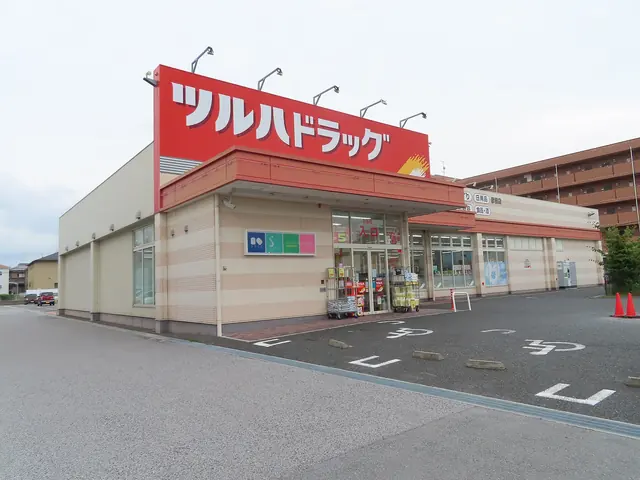
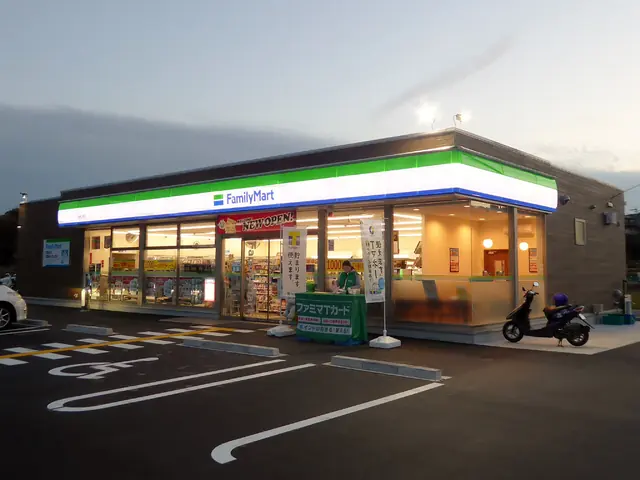
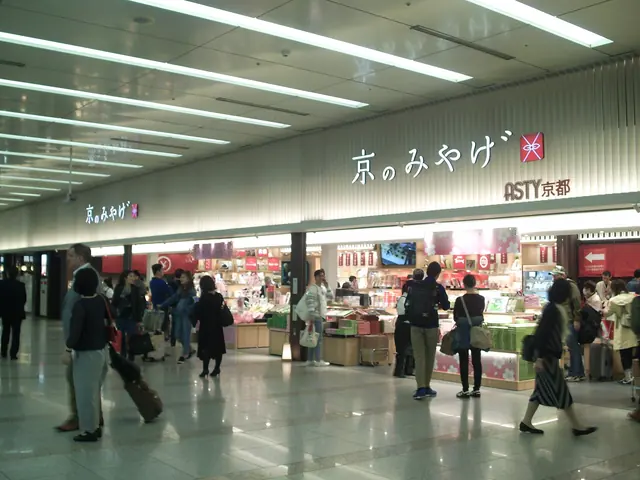
- Supermarkets and drugstores: the usual places. The DX pack went to supermarkets and drugstores first, on 25 August 2025, and reached convenience stores three months later.
- Convenience stores: named in almost every release. The guide to convenience stores explains how those shops work.
- Souvenir shops: the only place for the three regional kits, described next.
Kracie's pages do not name shop chains, and they do not say which shop stocks which kit. Its page for the DX pack says outright that some shops, and some periods, will not have it. Nobody can promise from those pages that a given shop near your hotel will have the sushi kit. The guide to Japanese snacks covers the kinds of shop that sell sweets in Japan, from drugstores to discount confectionery shops.
The three kits sold in one region only
- Kansai: the takoyaki and okonomiyaki kit, on sale since 21 October 2024. The release lists souvenir shops in the Kansai area, which it counts as six prefectures: shops on the street, in airports, in stations, at expressway service areas and in hotels.
- Hokkaido: Nerunerunerune Miracle Melon, on sale since 25 March 2024 at souvenir shops in Hokkaido and at the souvenir corners of convenience stores and discount stores there.
- Okinawa: Nerunerunerune pineapple, on sale since 6 March 2023 at souvenir shops in Okinawa and at the souvenir corners of supermarkets, convenience stores and discount stores there.
All three releases add that some shops do not carry the kit. By the weights on the product pages they are small things to carry: 33 g, 67 g and 62 g of sweets. The guide to souvenirs has more ideas for presents.
Can you buy Japanese candy kits outside Japan?
Kracie's pages read for this guide are written for Japan. None of them describes sales in other countries or names a shop abroad, so this site cannot point to an official seller in the United States, the United Kingdom, Australia or New Zealand. It did not check the listings on Amazon, Walmart or any other marketplace, and it does not vouch for a seller it has not read.
If you buy from a marketplace or an import shop, four checks come straight from Kracie's own pages.
- Is it a current kit? Compare the name on the box with the list on this page. Ramen and several other kits are no longer on Kracie's list, so a box on sale abroad may be old stock.
- Is it inside its date? The recall notice described below shows how this range prints a best-before date: the year and the month, such as 2028.07, followed by a short lot code.
- Is it one of the recalled lots? Five lots of the gummy-fishing kit were recalled in September 2026. The section on safety lists them.
- Do the instructions match the box? Kits are renewed under the same name. The doughnut kit gained a microwave step in 2025, and an English sheet or a video made for an earlier version may not fit.
Another route is a monthly snack box. Two of the five companies in the comparison of Japanese snack boxes list DIY candy kits among the things they pack: TokyoTreat, on a help-centre page about its box, and Freedom Japanese Market, on its home page. Neither page names a kit or a maker, so nothing there promises a Kracie kit in any given box. Whether you may bring sweets into your own country at all is a customs question. The guide to Japanese snacks has a section on it, with the official rules of four countries.
Are Japanese DIY candy kits safe to eat?
The kits are sweets, and everything they make is meant to be eaten. That includes the parts that look least like food: the page for the spinning-top kit says you can eat the whole top, axle and all. This site is not a food-safety body and has tested nothing. What follows is what Kracie itself publishes.
- Colours: Kracie's page about the range answers the worry directly. It says the bright colours are made from ingredients of natural origin, and that some kits use a pigment taken from gardenia fruit. Its English instruction sheets say the kits use only natural colourings and no preservatives.
- Spirulina blue: a questions-and-answers page explains this colouring, which it says the kits use. It is a water-soluble natural pigment extracted from algae that grow in very salty lakes.
- Baking soda: another answer says it is a food additive, the one used as baking powder among other things. It is what makes Nerunerunerune puff up.
- The full ingredient list: Kracie's product pages do not carry it. They show nutrition figures and allergen marks, not the list of ingredients. For that you have to read the package, which is in Japanese.
The recall of September 2026
On 11 September 2026 Kracie announced a voluntary recall of part of one kit, the gummy-fishing kit グミつれた ぶどう味&ソーダ味, in the 19 g pack. The notice says a fragment of resin can form where the measuring cup is cut off the tray, and that it may get into the sweet.
The recall covers five lots. All five carry the best-before date 2028.07, followed by one of these lot codes: AII, BFI, BGI, BHI or CAI. The notice prints the product's barcode number as 4901551357994, and it adds that lots other than these five are not affected.
Kracie asks people who hold one of the five to send the package and its contents back together, with the postage charged to the company. The address is in the notice, which is listed under Sources. This site does not copy it here, because the notice is the place where any change would appear.
If you bought this kit in Japan, or buy it abroad later, check the date and code on the box before a child uses it.
Smaller warnings on the product pages
- Small children: each of the four English sheets carries a note for parents that asks an adult to help a small child.
- The gummy-drawing kit: its page says not to eat the powder as it is and not to heat the kit in a microwave. It also says not to use hard mineral water with a lot of calcium, because the gummy may not set.
- The bags of tablets: both pages ask children and elderly people to take care not to choke.
- Cutting: the hamburger kit has you cut the tray apart with scissors, and its pack includes a plastic knife.
Things that look wrong but are normal, according to Kracie
- Black grains in the powder: the pages for the sushi and hamburger kits say these are part of an ingredient.
- White powder on the soft candy: the sushi page says it is starch and not a quality problem. It adds that in high heat the fat in the soft candy can melt out and set white.
- Bits of potato skin: the hamburger page says they may be in the fries mix.
- A swollen bag or a change of colour: the page for the tablets says the ingredients can cause both, and that neither is a quality problem.
- A strip of tape on a sachet: it is clear with white lettering, and it joins one roll of sachets to the next on the production line. Kracie says it does not affect quality.
- Sachets inside a clear bag, or not: the sachets of Nerunerunerune come both ways, and Kracie says which one you get depends on the factory.
Are the kits halal, vegan or gluten-free?
Kracie's pages read for this guide use none of those three words about the kits. What they do give is an allergen mark for each product, and that is the only evidence this section has.
Halal
No halal statement and no halal certificate appears on the product pages, the page about the range or the releases read. The allergen list that Japanese packages use happens to include pork, chicken, beef and gelatine, so the marks say a little.
- Pork: marked on one product, the Popin' Cookin' hamburger kit.
- Chicken: marked on the hamburger kit and the pizza kit.
- Gelatine: marked on four products: the festival stall kit, the sushi kit, the pizza kit and Neri Can World. The pages do not say which animal it comes from.
- Beef: marked on none of the 28.
An allergen mark is not an ingredient list. It covers 29 named items and nothing else, so it cannot show where a flavouring or an emulsifier comes from, and it says nothing about how a factory is run. A kit with none of these marks is therefore not shown to be halal, only shown to be free of those four items as ingredients. Whether a kit is halal is not something this site decides. For the words for pork and gelatine as they are printed on a Japanese package, see the guide to Japanese snacks.
Vegan and gluten-free
Neither word is on the pages read, and the marks point the other way for most of the range.
- Wheat: five kits mark it: whipped cake, hamburger, pâtissier, the takoyaki and okonomiyaki kit and doughnut. The other 23 products each carry a note that they are made on equipment that also handles wheat. So no product on the list is clear of wheat on both counts, and this site calls none of them gluten-free.
- Egg and milk: 23 of the 28 mark egg, milk or both.
- The other five: the gummy-tree kit marks soy only, Neri Can World marks squid and gelatine, and three kits mark nothing. All five carry the note about shared equipment, which for them names wheat, egg and milk.
- Seafood: squid is marked on the sushi kit, the DX pack of Nerunerunerune and Neri Can World.
A kit with no animal item among its marks is not thereby vegan. The marks cover allergens, not every ingredient, and Kracie makes no vegan claim.
Allergens
Kracie's page about the range says every kit has allergen labelling for 29 items on the back of the package. Nine are the items Japan calls specified ingredients (特定原材料): shrimp, crab, wheat, buckwheat, egg, milk, peanut, walnut and cashew nut. The other 20 are the items treated as equivalent to them: almond, abalone, squid, salmon roe, orange, kiwi fruit, beef, sesame, salmon, mackerel, soy, chicken, banana, pistachio, pork, macadamia nut, peach, yam, apple and gelatine.
Three things on those pages matter if you are buying for someone with an allergy.
- None of the 29 does not mean no contact: three kits mark no item at all: the spinning tops, the gummy-drawing kit and the wobbly balls. Each still carries the note about equipment shared with wheat, egg and milk.
- The shared-equipment note is narrower than the marks: Kracie says it gives that note only for the nine specified ingredients. Shared equipment for soy, squid or gelatine would not be shown.
- The package outranks the website: every product page says that what is printed on the package in the shop or in your hand may differ from the website, and tells you to check the package before eating.
The tables on this page give the marks as they stood when the pages were read in October 2026. The package is in Japanese. To ask shop staff about an allergen, you can show them a card from the allergy card maker.
Are there English instructions for the kits?
Yes, for four of them. Kracie publishes one-page instruction sheets in English, as PDF files, for the grape Nerunerunerune, the Popin' Cookin' sushi kit, the Popin' Cookin' hamburger kit and the gummy-drawing kit. Each is a page of pictures with short captions, and the Nerunerunerune sheet carries Chinese and Korean next to the English. This site found no English sheet for any other kit. The steps for Nerunerunerune are in its own section above, and the other three follow here in this site's words.
Sushi kit instructions in English
The sheet says water is the only thing you add. The pack holds six sachets of powder, a piece of black soft candy, a spoon, a dropper and a tray. The bag itself opens out into the sheet you work on. Before the first step you wipe the table, wash your hands and set out a glass of water. You also fill the hollow of the tray marked みず, which is the Japanese for water, so that you can rinse the spoon in it.
- Step 1, rice: fill hollow 1 with water up to the line, add the blue sachet and mix until it forms a dough.
- Step 2, egg: fill the hollow marked with a spiral up to its line, add the yellow sachet, mix well and flatten the top. The sheet says it sets in three minutes.
- Step 3, tuna: fill the hollow marked with wavy lines up to its line, add the pink sachet, mix well and flatten the top.
- Step 4, seaweed: roll the black soft candy out until it matches the size printed on the sheet.
- Step 5, salmon roe: fill hollows A and B with water up to their lines. Dissolve the green sachet in A and the orange sachet in B. Draw up liquid B with the dropper, hold it about 3 cm above liquid A and squeeze it out very slowly. The drops become round beads of jelly.
- Step 6, sushi: shape the rice to the size printed on the sheet, which gives about six pieces. Cut the egg and the tuna in half, turn each piece over and lay it on rice. For the salmon roe, wrap a piece of rice in the seaweed and spoon the beads on top.
- Step 7, soy sauce: half-fill the dropper with water and squeeze it into hollow 1. Add the brown sachet, mix and drizzle it over the sushi.
The flavours on the sheet are grape for the tuna, apple for the egg, orange soda for the salmon roe and soda for the soy sauce. For the scattered sushi, the English sheet only points you to the sheet in the pack.
Hamburger kit instructions in English
The sheet starts with getting ready: wipe the table, wash your hands, set out a glass of water and read the whole sheet before you begin. The pack holds mixes for fries, buns, patties, cheese, ketchup and cola, with a knife, a spoon, a tray and a cup. The package opens out into the sheet you work on.
- Step 1: cut the tray apart with scissors in three places. One piece is a small triangular cup, and it measures the water from here on.
- Step 2, fries: put the fries mix in the part of the tray with the ridged bottom, add two triangular cups of water and mix well. Flatten it with your fingers and heat it in the microwave. When it has cooled, turn it out and cut along the ridges with the knife.
- Step 3, patties: put the patty mix in the part marked with a star, add two cups of water and mix until it clumps. Roll it into a ball with your hands, put it in the hollow marked ハンバーグ and press it flat.
- Step 4, buns: put the buns mix in the star part, add two cups of water and stir until no lumps are left. Fill the two hollows marked パン up to the line, heat the tray in the microwave and let it cool.
- Step 5, cheese: mix the cheese mix with one cup of water, knead it by hand and spread it thin. Cut two slices with the knife, using the size guide printed on the sheet.
- Step 6, ketchup: mix the ketchup mix with two cups of water.
- Step 7: cut the buns in half and slice the patty into three. One patty goes in one bun and two in the other, with cheese and ketchup, to make a hamburger and a double burger. For the cola, fill the cup with water to 1 cm below the rim and stir in the cola mix.
For the microwave the sheet gives about 40 seconds at 500 W or about 30 seconds at 600 W, both for the fries and for the buns and patty. It says times vary with the oven and should be adjusted. It also says where to put the tray: on the edge if the oven has a turntable, in the centre if it does not.
Gummy-drawing kit instructions in English
- Step 1: take the fork and the cutting shapes out of their frame.
- Step 2: tip the gummy powder into the container marked with a star and spread it flat. Using the dropper, fill containers 1, 2 and 3 and the water container up to their lines. Stir the yellow, red and blue powders into 1, 2 and 3.
- Step 3: mix new colours in the small round containers.
- Step 4: press a shape into the powder, thin edge down, and drip liquid slowly inside it. Wait until it sets, which the sheet puts at about one minute for a small gummy. Too much liquid spoils the shape. You can also draw freely on the powder with no shape at all.
The guide on your phone
For four Popin' Cookin' kits there is also a guide in augmented reality. Kracie released it on 3 March 2025 for the sushi, hamburger, whipped cake and festival stall kits. Its release says the range's two characters show how to make the sweets, with close-ups and views from different angles. The code that opens it is printed inside the lid of the box, and the release warns that some boxes do not have the code yet. The release does not say what languages the guide uses.
What do you need before you start?
Very little, by Kracie's sheets and pages.
- Water: the sheets have you set out a glass of water first. Those for the sushi and hamburger kits warn against mineral water with a lot of calcium, which is hard water, because it may not mix well with the powders.
- Scissors: the hamburger sheet uses them to cut the tray apart.
- A microwave, for six kits: hamburger, pâtissier, pizza, the takoyaki and okonomiyaki kit, doughnut and bakery. If the place you are staying has none, pick a kit that needs only water.
- A clean table and clean hands: the first line of the sushi and hamburger sheets.
- Something to protect clothes: if the coloured liquid from Nerunerunerune gets on clothing, Kracie's answer is to rinse that spot with water and then wash with detergent, after checking the care label.
- Time: the pages read give no total making time for any kit. The difficulty mark is the nearest thing to a guide.
Frequently asked questions
What are Japanese DIY candy kits called?
The best-known range is called 知育菓子 (chiiku-gashi) in Japanese, which is Kracie's registered name for its own kits. In English people say DIY candy kits, Japanese candy kits or candy-making kits, or simply use the two brand names, Popin' Cookin' and Nerunerunerune.
Who makes Popin' Cookin', and where is it from?
Kracie, a Japanese company, makes it in Japan. A notice from May 2023 named factories in Fukuchiyama and Takatsuki as the main ones for the range and announced a new factory in Fukuchiyama, in Kyoto Prefecture.
How many Popin' Cookin' kits can you buy now?
Ten were on Kracie's product list on 12 October 2026: sushi, hamburger, whipped cake, festival stall, pâtissier, ice cream, pizza, takoyaki and okonomiyaki, doughnut and bakery. A release from February 2025 counted eight at that time. Kits join and leave the series, and the pages read give no count of all the kits ever sold.
Is Popin' Cookin' edible?
Yes. The kits are sweets, and what you make from the powders and water is there to be eaten. Kracie's page for another kit in the range, the spinning tops, goes as far as saying the whole top can be eaten, axle included.
Is Popin' Cookin' safe to eat?
This site has tested nothing and can only report what the maker publishes. Kracie says the bright colours come from ingredients of natural origin, and its English sheets say the kits use only natural colourings and no preservatives. Its pages also carry warnings, such as asking an adult to help a small child, and in September 2026 it recalled five lots of one kit outside the Popin' Cookin' series.
What is Popin' Cookin' made of?
Kracie's product pages do not show an ingredient list. They show nutrition figures and allergen marks, and the full list is printed on the package in Japanese. On other pages Kracie names a gardenia pigment and spirulina blue among its colourings, and baking soda as the thing that makes Nerunerunerune foam.
Is Popin' Cookin' halal?
Kracie's pages make no halal statement and show no halal certificate. Going by the allergen marks, the hamburger kit contains pork and chicken, the pizza kit contains chicken, and the festival stall, sushi and pizza kits contain gelatine from an animal the pages do not name. The marks cover 29 items only, so they cannot settle the question, and it is not one this site decides.
Are Japanese candy kits vegan or gluten-free?
Kracie claims neither. Five kits mark wheat as an ingredient, and the other 23 products are made on equipment that also handles wheat, so this site calls none of them gluten-free. Twenty-three of the 28 products mark egg, milk or both, and a kit with no animal item among its marks is still not shown to be vegan.
How much does Popin' Cookin' cost in Japan?
Kracie's product pages show no price, and this site does not quote one for today. The last suggested prices found in its releases date from 2019 to 2021: 250 yen before tax for the sushi kit and the whipped cake kit, and 120 yen before tax for a standard Nerunerunerune. Those figures are history, and each shop sets its own price.
Where can I buy Popin' Cookin' in Japan?
Kracie's releases name supermarkets, drugstores and convenience stores all over the country. They name no chains and promise no particular kit in any particular shop. Three regional kits are sold at souvenir shops instead, in the Kansai area, Hokkaido and Okinawa.
Where can I buy Japanese candy kits outside Japan?
Kracie's pages are written for Japan and name no shop in any other country. This site did not check Amazon, Walmart or any other marketplace. If you buy from one, check that the kit is still on Kracie's list, that it is inside its best-before date and that it is not one of the five recalled lots of the gummy-fishing kit.
What is the best Japanese candy kit for a first try?
This site does not rank them, because it has not made or tasted them. For a first try, the standard Nerunerunerune has the lowest difficulty mark, one star out of five. For the look-alike food seen in videos, the Popin' Cookin' sushi kit needs only water and has an instruction sheet in English.
Does the Popin' Cookin' sushi kit taste like fish?
No. Its product page gives the flavours as soda for the rice, grape for the tuna, apple for the egg and mikan soda for the salmon roe, with a soda-flavoured soy sauce on top.
Which kits need a microwave?
Six of the ten Popin' Cookin' kits: hamburger, pâtissier, pizza, takoyaki and okonomiyaki, doughnut and bakery. The sushi and ice cream kits are made with powder and water only. The pages for the whipped cake and festival stall kits do not mention a microwave either way.
Are there English instructions for Popin' Cookin'?
Yes, for two kits in the series. Kracie publishes one-page sheets in English for the sushi kit and the hamburger kit, and for two products outside the series, the grape Nerunerunerune and the gummy-drawing kit. The sheets carry no date and may be older than the kit in the shop, so follow the pictures on the box if the two differ.
Is the Popin' Cookin' ramen kit still sold?
It was not on Kracie's product list on 12 October 2026. A release shows it was renewed in March 2019, and Kracie's pages do not say when it left the range. A ramen kit on sale abroad may be old stock, so look at its best-before date.
At what age can children make the kits?
Kracie says children of about three can enjoy Nerunerunerune and that the range goes up to products for adults. The pages read give no age for each kit. What they give is a difficulty mark out of five, and the English sheets ask an adult to help a small child.
What does the name Nerunerunerune mean?
The name repeats the Japanese verb 練る (neru), to knead or to work into a paste, which is what you do to the powder and water. Kracie's pages give no longer explanation of the name than that.
How does Nerunerunerune change colour?
Kracie's explanation is that the first powder of the grape flavour holds anthocyanin, a natural pigment that changes colour with acid and alkali, and the second powder holds an acidulant. Baking soda and acid in the powders react as well, and the bubbles make the mixture swell.
What flavours of Nerunerunerune are there?
On 12 October 2026 the list had grape, soda, a space fruit flavour for the 40th anniversary, a Shine Muscat flavour for adults, the large DX pack in grape and cola, Miracle Melon sold in Hokkaido and pineapple sold in Okinawa. Two bags of ready-made tablets carry the name as well.
What is DX Nerunerunerune?
A large pack for four or five people, which Kracie names DX Neruneru. Its product page uses 69 g as the serving, against 23.5 g for the standard grape pack. You eat it as grape first and then stir in a powder that turns it into cola, and it comes with four toppings and five paper spoons.
Has a Japanese candy kit been recalled?
Yes. On 11 September 2026 Kracie announced a voluntary recall of five lots of its grape and soda gummy-fishing kit, because a fragment of resin from the tray could get into the sweet. The five lots have the best-before date 2028.07 followed by AII, BFI, BGI, BHI or CAI. The notice names no Popin' Cookin' or Nerunerunerune product.
Sources
Official and primary sources used for this page. Checked October 12, 2026.
- Kracie: About the chiiku-gashi range (in Japanese) — the name of the range, the answers on colours, taste, age and difficulty marks, the cheddar note and the allergen labelling for 29 items
- Kracie: Product list on the children's brand site (in Japanese) — the 26 entries on the brand site and, on the page for each kit linked from it, the difficulty stars
- Kracie: Product category page for the range (in Japanese) — the products listed in the range on 12 October 2026
- Kracie: Popin' Cookin' augmented-reality page (in Japanese) — the entry page for the guide on a phone
- Kracie: Nerunerunerune 40th anniversary site (in Japanese) — the dates of the 2026 flavours
- Kracie: Popin' Cookin' Tanoshii Osushi-yasan, product page (in Japanese) — sushi kit: what it makes, flavours, allergen marks, serving weight and the notes on black grains and white powder
- Kracie: Popin' Cookin' Hamburger-yasan, product page (in Japanese) — hamburger kit: what it makes, microwave, allergen marks including pork and chicken, and the notes on black grains and potato skin
- Kracie: Popin' Cookin' Whip Cake-yasan, product page (in Japanese) — whipped cake kit: what it makes, allergen marks and serving weight
- Kracie: Popin' Cookin' Tanoshii Omatsuri-yasan, product page (in Japanese) — festival stall kit: the four foods, flavours and allergen marks including gelatine
- Kracie: Popin' Cookin' Narikiri Patissier, product page (in Japanese) — pâtissier kit: the five sweets, microwave and allergen marks
- Kracie: Popin' Cookin' Tanoshii Ice-yasan, product page (in Japanese) — ice cream kit: how it is made, flavours, powder and water only, allergen marks
- Kracie: Popin' Cookin' Tanoshii Pizza-yasan, product page (in Japanese) — pizza kit: what it makes, the microwave step for the cheese, allergen marks including chicken and gelatine
- Kracie: Popin' Cookin' Takoyaki-kaina Okonomiyaki-kaina, product page (in Japanese) — the Kansai kit: flavours, microwave, the dialect of the name and instructions, allergen marks
- Kracie: Popin' Cookin' Tanoshii Donut-yasan, product page (in Japanese) — doughnut kit: what it makes, microwave and allergen marks
- Kracie: Popin' Cookin' Tanoshii Pan-yasan, product page (in Japanese) — bakery kit: the four breads, microwave and allergen marks
- Kracie: Nerunerunerune grape, product page (in Japanese) — the standard grape pack: the line at the top of the page, the renewed cup and tray, allergen mark and serving weight
- Kracie: Nerunerunerune soda, product page (in Japanese) — the standard soda pack: allergen mark and serving weight
- Kracie: Nerunerunerune space fruit flavour, product page (in Japanese) — flavour, colour change, toppings and allergen mark
- Kracie: Nerunerunerune for adults, Shine Muscat, product page (in Japanese) — what is in the pack and allergen marks
- Kracie: DX Neruneru grape and cola, product page (in Japanese) — the sharing pack: how it is eaten, toppings, spoons, the note that some shops do not stock it, allergen marks including squid
- Kracie: Nerunerunerune Hokkaido Miracle Melon, product page (in Japanese) — the Hokkaido pack: flavours, toppings, serving weight and allergen marks
- Kracie: Nerunerunerune Okinawa pineapple, product page (in Japanese) — the Okinawa pack: toppings, serving weight and allergen marks
- Kracie: Nerunerunerune tablets, grape and soda, product page (in Japanese) — the first bag of tablets: what it is, the choking warning, the note on a swollen bag, allergen mark
- Kracie: Nerunerunerune tablets, cola and melon soda, product page (in Japanese) — the second bag of tablets: flavours, the choking warning and allergen mark
- Kracie: Gumi Tsureta grape and soda, product page (in Japanese) — gummy-fishing kit: how it works, the two gummy bases, flavours and allergen mark
- Kracie: Narunaru Gumi no Mi, product page (in Japanese) — gummy-tree kit: how it works, flavour and allergen mark
- Kracie: Tsukucchao! Punikawa My Melody, product page (in Japanese) — what the pack makes, flavours and allergen marks
- Kracie: Custom Koma King, product page (in Japanese) — spinning tops: flavours, the line that the whole top can be eaten, no allergen marked
- Kracie: Futte Tsukurou! Hade Gumi!, product page (in Japanese) — how it works and allergen mark
- Kracie: W Slime Jelly, product page (in Japanese) — the two jellies, water and powder only, the stirring instructions and allergen mark
- Kracie: Oekaki Gummy Land, product page (in Japanese) — gummy-drawing kit: today's flavours, the 12 moulds, the warnings on powder, microwave and hard water, no allergen marked
- Kracie: Tsukameru Jikken! Fushigi-dama, product page (in Japanese) — wobbly balls: what the page calls them, colours and flavours, no allergen marked
- Kracie: Neri Can World, product page (in Japanese) — what is in the pack, serving weight and allergen marks including squid and gelatine
- Kracie: Questions and answers on the range, list (in Japanese) — the list of questions that the answers below come from
- Kracie: Why does Nerunerunerune change colour and swell? (in Japanese) — the pigment, the acidulant and the baking soda reaction
- Kracie: What is spirulina blue? (in Japanese) — what the colouring is
- Kracie: What is baking soda? (in Japanese) — what it is and what it does
- Kracie: What is the tape on the sachets? (in Japanese) — the joining tape
- Kracie: Why are some sachets inside a clear bag? (in Japanese) — the two ways the sachets are packed
- Kracie: What to do if the liquid gets on clothes (in Japanese) — rinsing and washing
- Kracie: How to make Nerunerunerune (PDF, in English, Chinese and Korean) — the three steps, the colour rule and the note for parents
- Kracie: How to make the sushi kit (PDF, in English) — contents, the seven steps, flavours and the notes on water and colourings
- Kracie: How to make the hamburger kit (PDF, in English) — contents, the seven steps, microwave times and the notes on water
- Kracie: How to make the gummy-drawing kit (PDF, in English) — the four steps and the flavours on the sheet
- Kracie: Apology and notice on the recall of Gumi Tsureta grape and soda (in Japanese) — the recall of 11 September 2026: cause, the five lots, the barcode number and how to return the product
- Kracie: Release of 9 September 2026 on the cola and melon soda tablets (in Japanese) — sale date and the shops named
- Kracie: Release of 27 August 2026 on Nerunerunerune for adults (in Japanese) — sale date, who it is aimed at and the shops named
- Kracie: Release of 26 August 2026 on the bakery kit (in Japanese) — sale date and the shops named
- Kracie: Release of 20 August 2026 on Narunaru Gumi no Mi (in Japanese) — the shops named
- Kracie: Release of 6 August 2026 on Gumi Tsureta (in Japanese) — the shops named
- Kracie: Release of 28 May 2026 on the revived melon flavour (in Japanese) — sale date and the two package designs
- Kracie: Release of 28 January 2026 on the space fruit flavour (in Japanese) — sale date and the project it came from
- Kracie: Release of 13 January 2026 on the 40th anniversary of Nerunerunerune (in Japanese) — the 1986 launch, the idea behind it and the witch in the advertisements
- Kracie: Release of 6 November 2025 on the cake house kit (in Japanese) — the limited period of sale
- Kracie: Release of 7 August 2025 on the pâtissier kit (in Japanese) — who the kit was made for and the shops named
- Kracie: Release of 6 August 2025 on the doughnut kit (in Japanese) — its return after three years and the microwave step
- Kracie: Release of 30 July 2025 on DX Neruneru (in Japanese) — sale dates by kind of shop
- Kracie: Release of 27 February 2025 on the augmented-reality guide (in Japanese) — the four kits, the code inside the lid and the count of eight kits
- Kracie: Release of 19 February 2025 on the ice cream kit (in Japanese) — the shops named
- Kracie: Release of 22 July 2025 on the day for chiiku-gashi (in Japanese) — the year the day was set
- Kracie: Release of 8 October 2024 on the takoyaki and okonomiyaki kit (in Japanese) — sale date and the kinds of shop in the Kansai area
- Kracie: Release of 27 August 2024 on the pizza kit and Chocolate Fondue Party (in Japanese) — sale date of both
- Kracie: Release of 14 March 2024 on Hokkaido Miracle Melon (in Japanese) — sale date and the shops in Hokkaido
- Kracie: Notice of 31 May 2023 on a new factory (in Japanese) — the factories, the plan and the products named
- Kracie: Release of 6 March 2023 on Okinawa pineapple (in Japanese) — sale date and the shops in Okinawa
- Kracie: Release of 6 September 2021 on Neri Can World and Colourful Ice Shop (in Japanese) — suggested prices with tax
- Kracie: Release of 7 September 2020 on the whipped cake kit (in Japanese) — suggested price
- Kracie: Release of 31 May 2019 on Nerunerunerune (in Japanese) — suggested price, the cola flavour and the count of more than 50 kinds
- Kracie: Release of 18 March 2019 on the renewed sushi, takoyaki and ramen kits (in Japanese) — suggested prices, weights and the description of the brand
- TokyoTreat and Sakuraco help centre: What do I get in my TokyoTreat box? — DIY candy kits named among the contents of the box
- Freedom Japanese Market: Home page — DIY kits named among the contents of the box
Related guides
To cite or link to this page: Japanese DIY candy kits: Popin' Cookin', Nerunerunerune and the other kits on sale now, what is in them and where to buy them — Japan Pocket Guide, https://japanpocketguide.com/snacks/japanese-diy-candy-kits/