Culture · Bonsai
Bonsai in Japan: what it means, Omiya Bonsai Village and its museum, Tokyo's bonsai gardens, Takamatsu's pine nurseries, where to buy, and taking a tree home
Bonsai is one of the few Japanese words that needs no translation abroad, and in Japan there are whole neighbourhoods given over to the trees: a village of bonsai gardens 30 minutes from Tokyo, fields of young pines in Takamatsu, and a public museum with a terrace above its garden. This guide covers the meaning of bonsai, where to see and buy trees, the big shows, and the plant inspection you need to take one home.
Last checked · Sources

In short
The best place to see bonsai in Japan is Omiya Bonsai Village in Saitama, half an hour from Tokyo by train, where the bonsai gardens open free of charge and the Omiya Bonsai Art Museum charges ¥310 for adults. In Tokyo, the bonsai garden in Showa Kinen Park and the Shunkaen Bonsai Museum are open to visitors, and Takamatsu in Kagawa grows about 80% of Japan's pine bonsai. Bonsai means plantings in a container; the idea came from China, and the art grew up in Japan. To take a living tree home, check your own country's rules first and have the tree inspected before check-in.
What bonsai means, and whether it is Japanese or Chinese
The Omiya Bonsai Art Museum translates the word as literally "plantings in a container" and names bonsai as a traditional art that stands for Japan. It is a tree or other plant grown in a pot and trained over many years so that, small as it is, it suggests a big tree or a whole landscape.
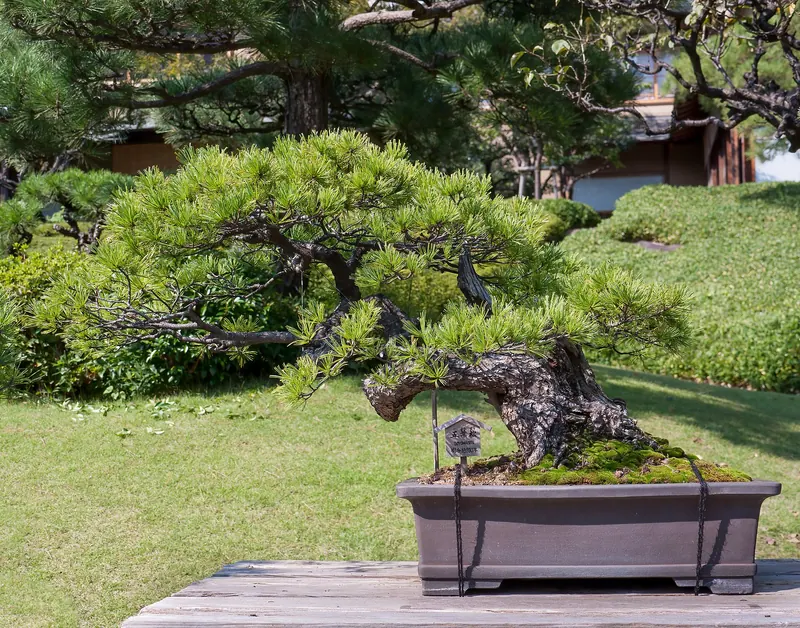
Is bonsai Japanese or Chinese? Both, in a sense. Edogawa City, writing about the Shunkaen Bonsai Museum in Tokyo, says bonsai is thought to have begun with the potted landscapes of Tang-dynasty China, which reached Japan in the Heian period and developed into bonsai as it is known today. The city calls it one of Japan's representative cultural arts and notes that the word bonsai is now understood abroad as it is.
The city's page also explains what goes into a bonsai: trees, moss and other plants set in a pot and admired as a whole, from the line of the branches to the balance with the pot. Shaped over long years by pruning and wiring, the trees keep changing, so no two are the same.
Four kinds of bonsai
- Shohaku: pines, junipers and other evergreen conifers, the classic bonsai.
- Hamono: trees grown for their leaves.
- Hanamono: trees grown for their flowers.
- Mimono: trees grown for their fruit.
Edogawa City names these four groups. The museum's leaflet shows why the seasons matter: its deciduous trees flower, turn from green to red, bear fruit, or show off a fine tracery of bare branches in winter.
What to look at in a bonsai
The bonsai garden in Showa Kinen Park, run by the national government in Tokyo, gives a short guide to looking at a tree. Most bonsai are built on an uneven triangle, and the tree is planted a little to the left or right of the centre of the pot. Every bonsai has a front and a back: the front shows the curve and bark of the trunk, with open space left in front, while the back is fuller. There is even a rule that, seen from the side, the top of the tree should bow forward slightly.
Three things to look at
- Nebari: the roots, which should spread out on all sides and give the tree a firm, strong base.
- Trunk: it should rise naturally and grow thinner towards the top.
- Edakubari: the branches, which should be well balanced in thickness and spacing.
The park adds that a tree missing one of the three can still be a fine bonsai if its strong points are brought out, which is part of why bonsai is called a living art. The pot matters too. Some are unglazed and some have a blue or white glaze, and the park says a different pot can change the whole impression of a tree.
Bonsai is not only trees. The Omiya museum also collects bonki, the bonsai pots, and suiseki, small stones admired for the landscape they suggest, along with paintings and historical and folk materials. At the end of its Collection Gallery, three rooms show bonsai with stones and hanging scrolls in the formal, semi-formal and informal styles known as shin, gyo and so, much as they would be set out in a Japanese house.
Omiya Bonsai Village, Saitama
If you only have time for one bonsai trip, make it this one. JNTO puts Omiya Bonsai Village half an hour north of Tokyo by train. The village lies in the Bonsai-cho district of Saitama City's Kita Ward, in the area north of Omiya Park between the Tobu Urban Park Line and the JR Utsunomiya Line. Its streets were laid out in a near grid when the village began and are lined with cherry, maple and zelkova trees; each is named after the trees planted along it, and together they are called the bonsai four-seasons path.
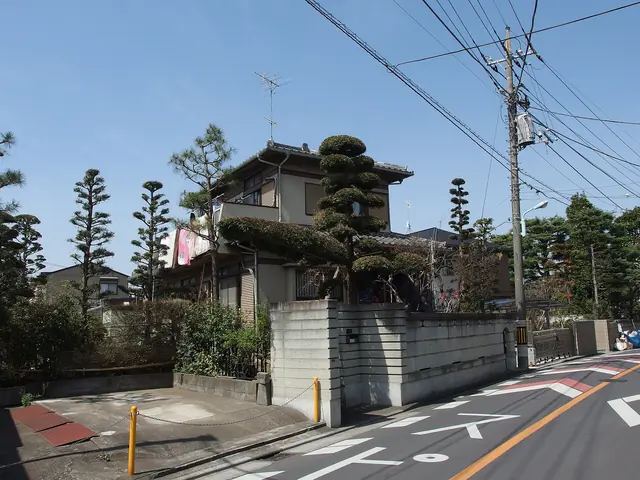
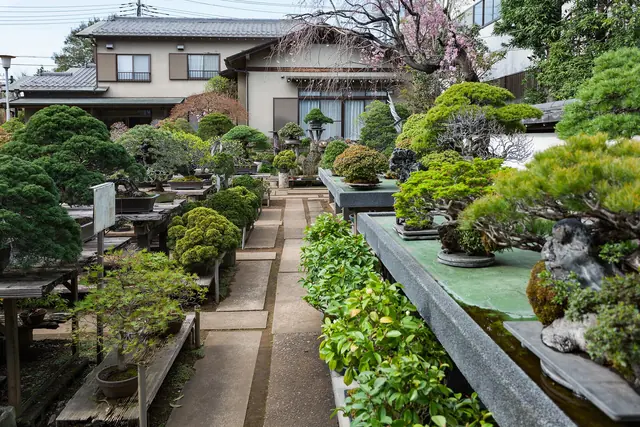
The village grew out of Tokyo. According to the museum, gardeners living in what is now Bunkyo Ward tended the grounds of daimyo and samurai households, and during the Meiji era a number of them turned to bonsai as their main work. Then came the earthquake.
How the village grew
- 1923: after the Great Kanto Earthquake, bonsai growers leave Tokyo in search of land, clean water and fresh air.
- 1925: Omiya Bonsai Village is founded as a self-governing village of bonsai growers.
- 1930: at its height, around 30 bonsai gardens belong to the community.
- 1940: the area joins Omiya and is given the official town name Bonsai-cho.
- 1970: most of the bonsai in the national display at the Osaka Expo come from the village.
- 1989: Omiya hosts the first World Bonsai Convention.
The village kept its character through rules. Omiya Bonsai Village says that when it was founded, anyone living there had to meet four requirements.
The village's four rules of 1925
- Own 10 or more bonsai.
- Agree to open your garden to the public.
- Build no two-storey houses.
- Use hedges as fences.
The first World Bonsai Convention in 1989 ran for four days, and the village says some 1,200 bonsai enthusiasts from 32 countries joined its demonstrations and workshops. The eighth convention came back to Saitama in 2017, and with related events it drew around 120,000 visitors, from more than 40 countries and regions. The village marked its 100th anniversary in 2025.
The six bonsai gardens
Six bonsai gardens remain in and around the village, each a family business with its own speciality, and the Saitama tourism bureau notes that every one is listed by the city as a traditional industry workshop. The years below are when each garden opened or moved to Omiya.
The six gardens of Omiya
- Kyuka-en, 1929: over 300 varieties of bonsai, with accent plants as its speciality.
- Seikou-en, 1943: founded in Edo in the Kaei period (1848-54); its own Saika Bonsai are planted to look natural on old tiles.
- Toju-en, 1931: bonsai classes for the public since 1966, and many Japanese white pines and small shohin trees.
- Fuyo-en, 1939: long famous for deciduous trees and for forest plantings.
- Mansei-en, 1925: five generations over 170 years, a Japanese juniper more than 1,000 years old, and suiseki, stands and tools.
- Shosetsu-en, 1977: opened by a grower who trained at Toju-en; it runs its own classes.
The gardens charge nothing to walk in. Hours differ from garden to garden but are roughly the daytime, and all close on Thursdays and over New Year, with occasional extra closing days of their own. The nearest station is Omiya-koen (Tobu Urban Park Line), about 5 minutes away on foot.
The Bonsai House of the Four Seasons, in the middle of the village, also has a tatami room for tea gatherings and meetings, which is paid and must be booked in advance.
The Omiya Bonsai Art Museum
Set at the edge of the village, the museum is a few minutes' walk from the gardens. Run by Saitama City, it opened in March 2010, and JNTO calls it "the world's first publicly run museum dedicated to the art of bonsai". The museum's own leaflet counts more than 120 masterpieces on show, as well as pots, suiseki, paintings and historical and folk materials; JNTO adds that the collection includes bonsai in ukiyo-e woodblock prints.
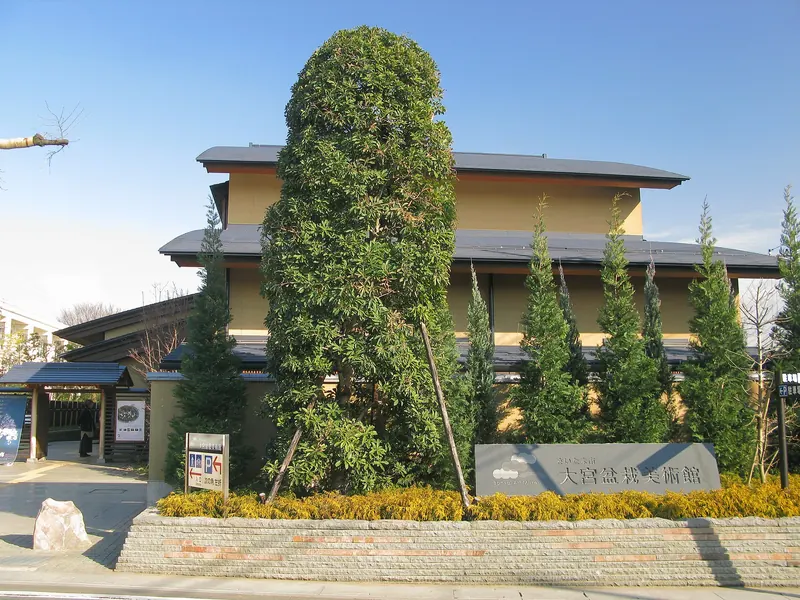
A visit follows a simple route. The Collection Gallery comes first and works as an introduction, with panels on how to look at a bonsai; the city says the trees there change every week, so the display follows the season. Then comes the Bonsai Garden outside, where around 60 bonsai are usually on show. Some can be seen from all sides, front and back, and one of the largest, a Japanese white pine named Chiyo-no-matsu, sits on a turntable so that every part of the tree gets the sun. From the Terrace on the second floor you can look down over the whole garden. A separate Exhibition Room holds special exhibitions and closes while they change.
Three parts of the museum
- Collection Gallery: an introduction to bonsai, pots, stones and art, with three rooms set out in the style of a Japanese house.
- Bonsai Garden: around 60 trees outdoors, some of which you can see from all sides.
- Terrace: the view over the garden from the second floor.
Admission
- Adults: ¥310, or ¥200 each in a group of 20 or more.
- High school and university students, and people aged 65 or over: ¥150, or ¥100 in a group.
- Children (elementary and junior high school): ¥100, or ¥50 in a group.
- With a disability certificate: half price, for the holder and one companion.
- Annual pass: ¥1,040 for adults, ¥520 for students and over-65s, ¥310 for children.
The museum is open from 9:00 to 16:30 from March to October and from 9:00 to 16:00 from November to February, with entry ending half an hour before closing time. It closes on Thursdays, except when Thursday is a national holiday, and from 29 December to 3 January, and it also closes for short spells while exhibitions are prepared.
Photos are allowed only in some places. The museum allows photos in three places only, the Lobby, the Terrace and the outdoor Bonsai Garden, so leave the camera in your bag in the galleries. For explanations in English, the museum has a collection guide you play on your own smartphone, in English, Japanese, Korean and both forms of Chinese, though not every item is covered.
Guides and demonstrations
Three free programmes make a visit more than a walk past the trees. The English one is the most useful for most readers: Saitama City says an American member of its international relations staff gives a gallery talk in English every Tuesday, and anyone may join with that day's ticket.
Free programmes at the museum
- English gallery guide: every Tuesday, 10:30 to 11:00 and 13:30 to 14:00, meeting in the Lobby with that day's ticket; not held on public holidays.
- Volunteer guides: Mondays, Saturdays and Sundays, 10:00 to 12:00 and 13:00 to 15:00; look for a guide in a vest and name badge and ask. A tour takes about 30 minutes.
- Bonsai demonstration: the fourth Saturday of every month, 13:30 to 14:30, in the second-floor lecture room, with a grower from the village.
The demonstration has about 30 seats, and they are taken in order of arrival from 13:15, with no tickets handed out. Each month covers the work of the season. For this winter the city lists wiring deciduous trees in November, wiring pines and other conifers in December and January, and repotting in February and March.
Getting there
Toro Station on the JR lines is the closest, but the museum leaflet has a warning worth reading twice: "Only local trains stop at Toro Station." The trip takes about 35 minutes from Shinjuku and 40 from Tokyo Station.
Three ways to reach the museum
- By JR: take the JR Utsunomiya Line, Ueno-Tokyo Line or Shonan-Shinjuku Line to Toro, then walk 5 minutes from the East Exit.
- By Tobu: take the Tobu Urban Park Line to Omiya-koen and walk about 10 minutes.
- On foot from Omiya Station: the museum suggests a 45-minute walk via Hikawa Shrine, Omiya Park and the bonsai village.
If you come by car, the museum has 39 parking spaces, free for up to 2 hours.
Bonsai dates: the May festival and the February show
Two big events are worth knowing about: one in the village in spring, the other in central Tokyo in winter.
The Great Bonsai Festival, 3 to 5 May
The Saitama tourism bureau says the Dai Bonsai Matsuri, the Great Bonsai Festival, is held in the village every year from 3 to 5 May. In 2026 it was the 43rd festival, held from 9:00 to 17:00 each day, rain or shine. It fills the four-seasons path, the Bonsai House of the Four Seasons and the gardens themselves, with a citizens' bonsai show and stalls selling bonsai and pots, and the bureau says it draws many bonsai lovers from Japan and abroad.
The festival has grown into a whole week. In 2026 the festival days were billed as Omiya Bonsai Week: on the evening of 2 May a young bonsai artist gave a performance in the concourse at JR Omiya Station, and from 3 to 5 May the bonsai of 7 gardens in the city were shown together in the corridor of Hikawa Shrine, open from 5:00 to 18:00.
All three days are national holidays in Japan, so expect crowds. The pages we checked still showed the 2026 festival, so look for the 2027 programme nearer the time.
The Japan Bonsai Association's February show in Tokyo
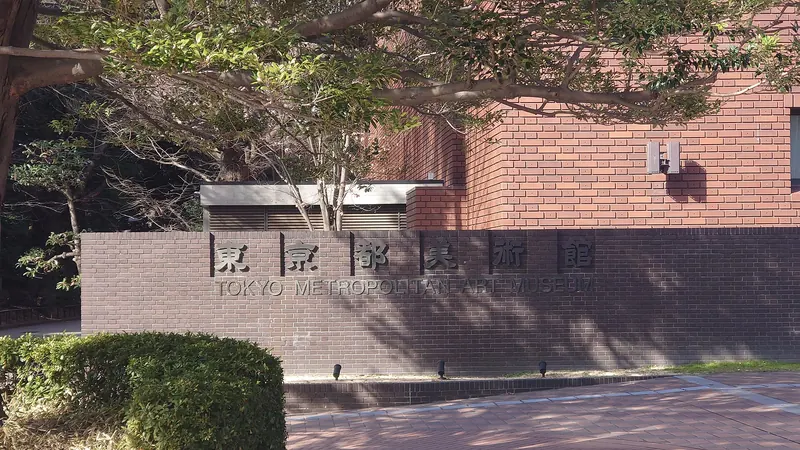
In February the Japan Bonsai Association holds a big winter show at the Tokyo Metropolitan Art Museum. The museum's February 2026 calendar lists it as the association's 100th show, filling Galleries A, B and C in two halves, with the trees changed in between.
The February 2026 show, as listed by the museum
- First half: 8 to 11 February.
- Closed to change the trees: 12 and 13 February.
- Second half: 14 to 18 February.
- Tickets: ¥1,000, or ¥700 in a group of 20 or more; university students ¥500; a ticket for both halves ¥1,500.
- Free: high school students and younger, and people with a disability certificate with one companion.
The association's own website was also under maintenance when this page was written, and none of the sources gave dates for the February 2027 show, so this site does not give them.
Bonsai in Tokyo
You do not have to leave the capital to see good bonsai.
Bonsai in Tokyo at a glance
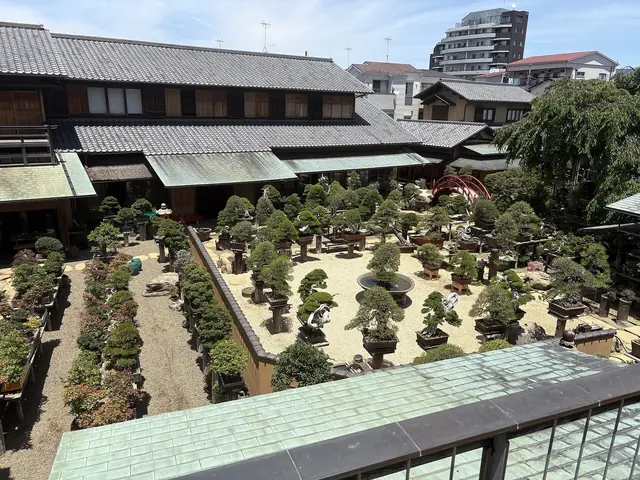
- Shunkaen Bonsai Museum, Edogawa: a private bonsai museum in east Tokyo with a workshop where you make your own bonsai.
- Bonsai garden, Showa Kinen Park: the first national bonsai display, inside a large park in Tachikawa, west Tokyo.
- The February show: the Japan Bonsai Association's winter show at the Tokyo Metropolitan Art Museum.
Shunkaen Bonsai Museum, Edogawa
Edogawa City says the bonsai artist Kunio Kobayashi opened the Shunkaen Bonsai Museum in 2002, so that more people could enjoy bonsai. The city describes buildings and a garden full of Japanese atmosphere, beautiful in every season, and says the museum receives about 30,000 visitors a year. The city says Kobayashi has been invited to about 30 countries and has given more than 150 lectures and demonstrations abroad.
Among the trees the city shows from the collection is a shimpaku juniper named Soryu no Mai, Dance of the Twin Dragons, 110 centimetres tall and 500 years old, and a black pine named Raiko, Lightning, whose bent trunk, the city says, is just like a bolt of lightning.
Shunkaen in three numbers
- 2002the year the museum opened
- 30,000visitors a year, according to Edogawa City
- 500 yearsthe age of its juniper Soryu no Mai
The museum also runs a bonsai workshop for visitors. GO TOKYO, Tokyo's official travel site, describes it as making an original bonsai, "an art that shrinks the grandeur of nature into a minuscule flower pot", with the materials, tools and an instructor provided.
Edogawa City adds that the museum offers other Japanese culture experiences besides bonsai, including tea and kimono dressing, and a cup of tea after a tour of the museum. If you want to try them, read our guides to the tea ceremony and kimono rental first.
The bonsai garden in Showa Kinen Park
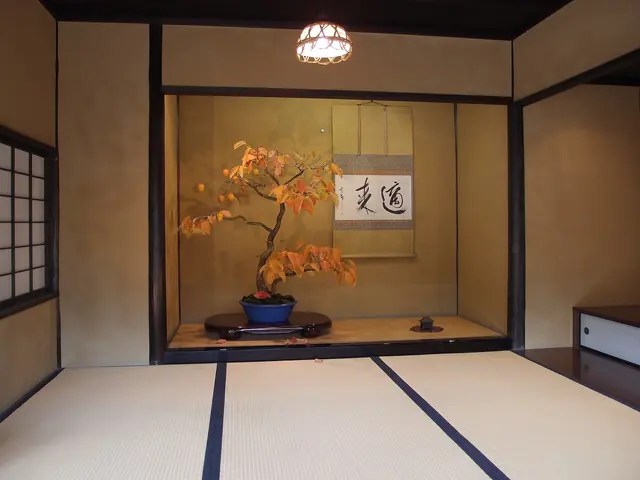
Showa Kinen Park in Tachikawa is a national government park, and on Culture Day, 3 November 2004, it opened a bonsai garden inside its Japanese garden. The park calls it the first bonsai display run by the national government. It holds about 80 bonsai and shows about 50 at any one time, changed with the seasons, and the staff based there are bonsai specialists who look after the trees and explain the work and what to look for. In Sanju-tei, a house inside the bonsai garden, bonsai are also displayed indoors in the tokonoma alcove.
The tree the park picks out is a Japanese white pine in the curved moyogi style, about 62 centimetres tall and estimated at over 150 years old, praised for the strong spread of its roots.
Rules at the Showa Kinen bonsai garden
- Do not touch the bonsai.
- No photography with a tripod.
- Allow time to walk there: about 17 minutes from the Sunagawa Gate, 22 from the Nishi-Tachikawa Gate and 27 from the Tachikawa Gate.
- The garden opens at 9:30 and closes 30 minutes before the park does.
For visitors who do not read Japanese, the park has a free self-guide to the Japanese garden in English: scan the QR codes on the signs and each stop opens on your phone, and stop 6 is the bonsai garden. The park publishes its own opening calendar and fees, and this site does not quote them.
Takamatsu and Itoigawa: where the trees are grown
Omiya shows finished masterpieces. To see bonsai being grown in the field, head west to Kagawa or north to Niigata.
Takamatsu, Kagawa
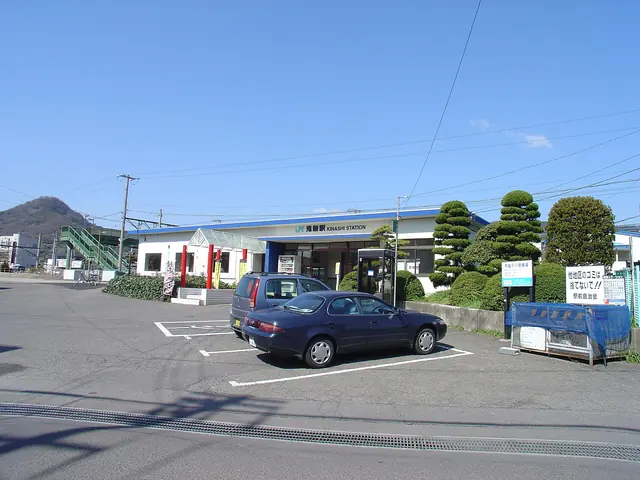
Takamatsu, on the island of Shikoku, is the heart of pine bonsai in Japan. JNTO says that with 60 bonsai nurseries in the Kinashi and Kokubunji areas, pines grown in Takamatsu account for roughly 80% of the country's market, and that bonsai growing there began roughly 200 years ago.
Takamatsu bonsai
- 60bonsai nurseries in Kinashi and Kokubunji
- 80%of Japan's pine bonsai, roughly
- 200 yearsof bonsai growing, roughly
The Kagawa tourism association tells the story. Some nurseries date back to the early 1800s, when local growers started turning the Japanese black pines found all along the coast and across the Seto Inland Sea islands into bonsai. They drew on what fruit farming had taught them about plants and pruning. Before the Edo period ended, bonsai was largely a pastime of nobles and senior samurai; it spread far more widely after that, and boomed again during Japan's rapid post-war growth. The climate helps too: the association credits the warm, dry weather, which makes the city a perfect spot for raising strong pines, and JNTO adds good drainage.
A walk through Kinashi or Kokubunji is unlike a visit to Omiya. JNTO notes that on a walk along the roads there you see "pine trees planted like vegetables here and there in the fields", and that most of the nurseries are open to visitors. Beginners and keen growers alike can tour the bonsai fields and make kokedama moss balls, and JNTO says some gardens can welcome international visitors.
The market is the place to see bonsai at every stage. The association says the small trees for sale are 10 to 15 years in the making, while the big ones may have spent up to 40 years being shaped at a nursery. It adds that the market draws bonsai professionals from all over Japan.
Getting to the bonsai areas
- Kinashi: about 7 minutes from Takamatsu Station on the JR Yosan Line.
- Kokubunji: take the same line to Hashioka, about 10 minutes.
Itoigawa, Niigata
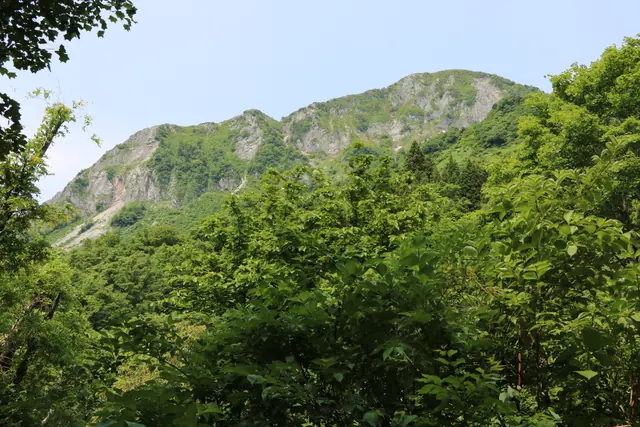
Itoigawa lies on the Sea of Japan coast, below the Northern Alps, and it is home to one of the most popular trees in bonsai. JNTO says the Itoigawa Shimpaku juniper, loved for being wild yet elegant, thrives on the steep limestone rock faces on Mt Myojo and Mt Kurohime, and that it is prized for reflecting the harshness of nature, which has earned it the name "the King of Bonsai". The Omiya museum uses shimpaku juniper in its bonsai class for children, and Saitama City calls it tough in heat and cold, easy to grow and a favourite of bonsai lovers around the world.
The wild trees need protecting. JNTO notes that decades of collecting have left the wild juniper in decline, and the Itoigawa Shimpaku Project, run by the Itoigawa Geopark Council, works on raising awareness of bonsai culture, reviving local communities and conservation. Visitors can see the juniper growing wild on the cliffs of Mt Myojo, tour bonsai gardens and nurseries, and join bonsai lessons for beginners.
Where to buy bonsai in Japan, and what it costs
There are three kinds of place to buy bonsai on a trip: the growers' own gardens, the big sales at festivals and markets, and the museum shops, which sell books and gifts rather than trees.
Where to buy
- Growers and markets: Takamatsu Bonsai no Sato, where more than 40 nurseries sell some 10,000 trees, and the gardens of Omiya.
- Festival stalls: the Great Bonsai Festival in Omiya from 3 to 5 May, with sales of bonsai and pots.
- Museum shop: photo books, cotton hand towels, bonsai postcards and other goods from the Omiya museum's shop.
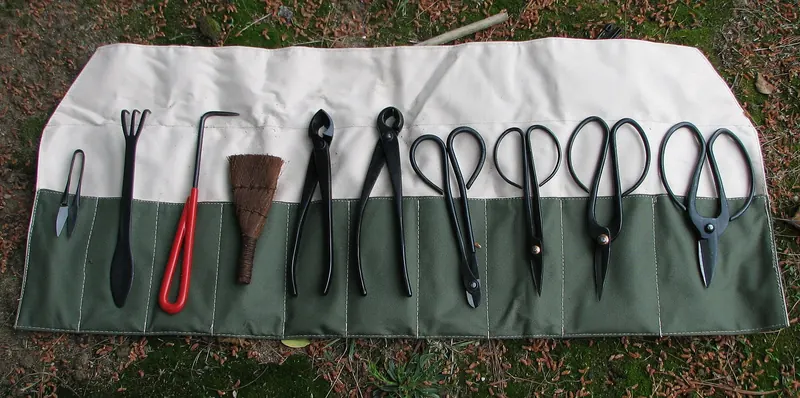
In Omiya, the gardens are businesses as well as places to visit. Mansei-en, for one, says it keeps a wide range of bonsai, from masterpieces to small expressive trees, along with suiseki stones, display stands and all kinds of bonsai tools. In Takamatsu, the Takamatsu Bonsai website announces an online store for JA Kagawa's Takamatsu Bonsai no Sato, as well as the market itself.
If you would rather make a tree than buy one, several places teach you.
Bonsai classes in this guide
- Shunkaen, Tokyo: a workshop for ¥8,000, admission included.
- Toju-en, Omiya: classes for the public since 1966, but closed for renovation for now.
- Shosetsu-en, Omiya: classes of its own.
- Itoigawa: the Shimpaku Project's bonsai lessons for beginners.
How much does a bonsai cost? None of the official sources used for this guide publish prices for trees, so this site does not quote one. What the Kagawa tourism association does give is a sense of the time inside each tree: at the Takamatsu market even the small trees have 10 to 15 years of growth behind them, and the big ones up to 40. The pot is part of the art too, and our guide to pottery towns includes Tokoname, a town known for its bonsai pots.
Taking a bonsai home: plant inspection
A bonsai is a living plant, so it is covered by plant quarantine rules at both ends of your journey. Japan's Plant Protection Station, part of the agriculture ministry, says that anyone taking plants out of Japan must follow the rules of the country they are going to. Depending on that country and on the plant, bringing it in may be banned, or an export inspection in Japan may be needed.
Taking a plant out of Japan in your luggage
- Check your destination's rules: contact the Plant Protection Station well before you travel.
- Apply for an inspection: send the export inspection form in advance.
- Have the plant inspected: at a Plant Protection Station or an airport export quarantine counter, before you check in.
- Get the certificate: if the plant passes, a phytosanitary certificate is issued.
- Then travel as normal: check in, customs, passport control and boarding.
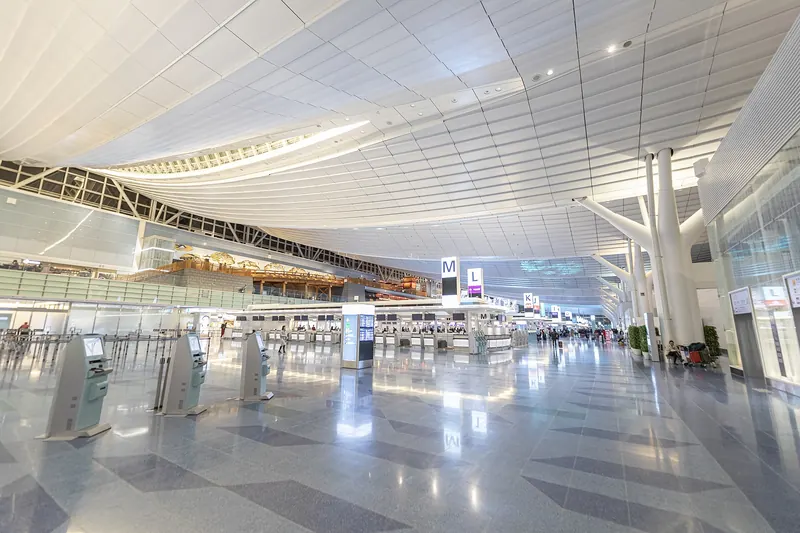
The inspection itself is free. The Plant Protection Station says no fee is charged for the export inspection or for the phytosanitary certificate. Export quarantine counters stand in the passenger terminals of six major airports: New Chitose, Narita, Haneda, Chubu, Kansai and Fukuoka. Besides export checks, the counters answer general questions about plant quarantine.
Export quarantine counters, as listed by the Plant Protection Station
- New Chitose: international passenger terminal, 3rd floor, in the CIQ exhibition room.
- Narita: the north wing of Terminal 1 (4th floor), and counter 32 in the north group of Terminal 2 (3rd floor).
- Haneda: Terminal 3, 3rd floor departure lobby, near check-in counter L.
- Kansai: by the north departure gate, on the north side of Terminal 1's 4th floor.
- Fukuoka: international terminal, 3rd floor south side, opposite check-in counter M.
- Chubu: on the station's counter list too; check the exact spot with the station.
That warning matters for bonsai in particular. A tree that needs checking while it is still growing cannot be bought on the last morning and flown out that afternoon. The station asks anyone planning to take plants abroad to get in touch as early as possible, so that it can check the destination's rules and explain the steps. It also notes that other countries change their rules without notice, and suggests asking an importer, family or friends in the country you are going to.
An example: bonsai into Great Britain
The rules at the other end can be strict, as the British government's guidance on bonsai from Japan shows.
Bonsai from Japan into Great Britain, by GOV.UK
- Which trees: only Chamaecyparis, junipers, the Japanese white pine and the Japanese black pine.
- Where from: nurseries registered with Japan's plant protection service, with a phytosanitary certificate; the soil must come from them too.
- Where to: a quarantine facility, such as a glasshouse, approved in advance by a plant health inspector.
- When: junipers from 1 November to 31 March only; pines and Chamaecyparis at any time of year.
- Quarantine: junipers from 1 April to 30 June; pines and Chamaecyparis for a minimum of 3 months while actively growing.
If you are thinking of buying a living tree, check your own government's import rules and contact the Plant Protection Station before you buy, not after.
Frequently asked questions
Is bonsai Japanese or Chinese?
The idea is thought to come from the potted landscapes of Tang-dynasty China, which reached Japan in the Heian period. Bonsai as it is grown today developed in Japan, and the word is now used all over the world.
What does bonsai mean?
The Omiya Bonsai Art Museum translates it as plantings in a container: a tree or other plant grown and shaped in a pot over many years, so that it suggests a much larger landscape.
Where is the best place to see bonsai in Japan?
Omiya Bonsai Village in Saitama, half an hour from Tokyo by train, with its bonsai gardens and the Omiya Bonsai Art Museum. To see pine bonsai being grown in the fields, go to Kinashi and Kokubunji in Takamatsu.
What does the Omiya Bonsai Art Museum cost?
Adults pay ¥310, students and people aged 65 or over ¥150, and children ¥100. It is closed on Thursdays, over New Year, and from 14 January to 7 February 2027.
When is the Great Bonsai Festival?
From 3 to 5 May every year, in Omiya Bonsai Village. In 2026 it ran from 9:00 to 17:00 each day, rain or shine, with sales of bonsai and pots.
Can I see bonsai in Tokyo?
Yes. The bonsai garden in Showa Kinen Park in Tachikawa and the Shunkaen Bonsai Museum in Edogawa are open to visitors.
How much does a bonsai cost in Japan?
The official sources do not publish prices, so this site does not quote one. At the Takamatsu market, the smaller trees have grown for 10 to 15 years and the larger ones for up to 40.
Can I take a bonsai home from Japan?
Only if your country allows it. Check its rules first and contact Japan's Plant Protection Station early. The inspection and certificate are free, but some plants must be checked while they are still growing.
Sources
Official and primary sources used for this page. Checked November 7, 2026.
- The Omiya Bonsai Art Museum, Saitama: Visitor leaflet (PDF) — fees, hours, photo areas, collection guide, trains, garden
- The Omiya Bonsai Art Museum, Saitama: Website maintenance notice (in Japanese) — the website's maintenance
- Saitama City: Omiya Bonsai Art Museum (in Japanese) — annual pass
- Saitama City: Museum closure for lighting repairs (in Japanese) — closing dates in 2027
- Saitama City: Gallery talks (in Japanese) — English and volunteer guides
Show all 27 sources
- Saitama City: Bonsai demonstrations (in Japanese) — demonstration times and topics
- Saitama City: Children's bonsai workshop (in Japanese) — the juniper used
- Saitama City: Seasonal bonsai display (in Japanese) — weekly changes
- JNTO: Omiya Bonsai Village — history, the museum
- Omiya Bonsai Cooperative: History — the four rules, the conventions
- Omiya Bonsai Cooperative: Gardens — the six gardens
- Omiya Bonsai Cooperative: Gardens (in Japanese) — Mansei-en's stock
- Saitama Tourism and International Relations Bureau: Omiya Bonsai Village (in Japanese) — streets, Bonsai-cho, Toju-en, opening days
- Saitama Tourism and International Relations Bureau: Great Bonsai Festival (in Japanese) — festival dates and events
- Edogawa City: Shunkaen Bonsai Museum (in Japanese) — origin, four kinds, the museum
- GO TOKYO: Bonsai Workshop — workshop price and hours
- Showa Kinen Park: Bonsai Garden (in Japanese) — the garden, what to look at, rules
- Showa Kinen Park: Japanese garden self-guide (in Japanese) — the English self-guide
- Tokyo Metropolitan Art Museum: Group exhibitions, February 2026 (PDF, in Japanese) — the February show
- JNTO: Living Art of Bonsai in Takamatsu — nurseries, history, trains
- Kagawa Prefecture Tourism Association: Takamatsu Bonsai Center — history, the market, hours
- Takamatsu Bonsai: Home (in Japanese) — the online store
- JNTO: Itoigawa Shimpaku, the King of Bonsai — the juniper, the project, trains
- Plant Protection Station: Taking plants out of Japan (in Japanese) — the steps, no fee, counters
- Plant Protection Station: Export quarantine counters (in Japanese) — six airports, early contact
- Plant Protection Station: Taking Plant and Plant Products out of Japan (PDF) — counter locations
- GOV.UK: Import bonsai from Japan and Korea to Great Britain — the British rules
Related guides
To cite or link to this page: Bonsai in Japan: what it means, Omiya Bonsai Village and its museum, Tokyo's bonsai gardens, Takamatsu's pine nurseries, where to buy, and taking a tree home — Japan Pocket Guide, https://japanpocketguide.com/culture/bonsai-in-japan/