Culture · Temples
Temple stays in Japan: what a shukubo is and how it differs from a ryokan, Koyasan and its temple lodgings, how to book and pay, a night at a shukubo step by step, six Koyasan temples compared, shojin ryori and special diets, meditation, sutra copying and other experiences, etiquette and what to bring, temple stays in Tokyo, Kyoto, Nagano and Yamagata, and when to go
A night in a Buddhist temple is one of the few ways to see Japanese religious life from the inside. At a shukubo, a temple lodging, you sleep on tatami, eat shojin ryori, Buddhist vegetarian cooking, and early in the morning you can sit in the main hall while the monks chant the sutras. The best-known place to do it is Koyasan, a temple town on a mountain in Wakayama Prefecture where about 50 temples take guests, but there are temple stays near Tokyo and Kyoto too. This guide starts with what a shukubo is and how it differs from a ryokan, then explains Koyasan, how to book and pay, how a night runs from check-in to the morning service, six of its temples side by side, the food and special diets, and the experiences and their fees. After that come etiquette and what to bring, temple stays elsewhere in Japan, and the best time of year to go. Everything here was checked on 19 October 2026 against pages from the Koyasan Shukubo Association, Eko-in temple, Wakayama Prefecture, the Japan National Tourism Organization (JNTO), the Kyoto City Tourism Association, the Tokyo Convention & Visitors Bureau and others; you will find them all under Sources at the end.
Last checked · Sources

In short
A temple stay in Japan means a night at a shukubo, a lodging run by a temple, with dinner and breakfast of shojin ryori, Buddhist vegetarian cooking, and the chance to join the morning service in the main hall. Koyasan in Wakayama Prefecture has the most: 51 or 52 of its temples take guests, depending on the source, and you book through the Koyasan Shukubo Association or a temple's own website. At the six Koyasan temples compared in this guide, check-in is from 14:00 or 15:00 until 17:00, the curfew is usually at 21:00 or 22:00, the morning service starts between 5:50 and 7:00, and check-out is at 9:00 or 10:00. Taking part in meditation or sutra copying is recommended but not required. Most lodgings and shops on Koyasan do not take credit cards, so bring cash; there is an international ATM at the post office. Outside Koyasan, you can stay at temples and shrine lodgings in Tokyo, Kyoto, Shiga, Nara, Nagano and Yamagata.
What a shukubo is
Shukubo is the Japanese word for a lodging at a temple, and sometimes at a shrine. The Tokyo Convention & Visitors Bureau's site, GO TOKYO, puts it simply: "Shukubo are lodgings at temples and shrines that were originally used to accommodate pilgrims on their way to holy sites." Pilgrims still stay in them, but you do not have to be one to book a room. As the same page goes on, "These days, a number of them welcome ordinary visitors, allowing you to get an insight into life at these spiritual places."
What a night at a shukubo includes
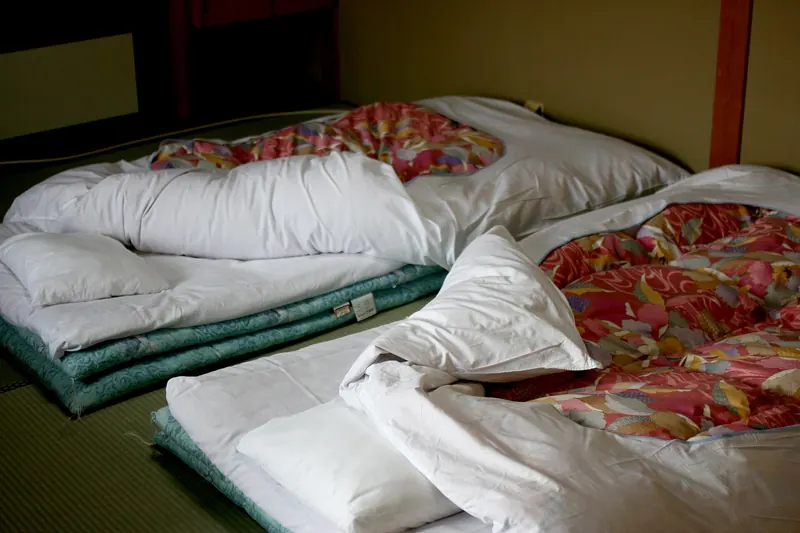
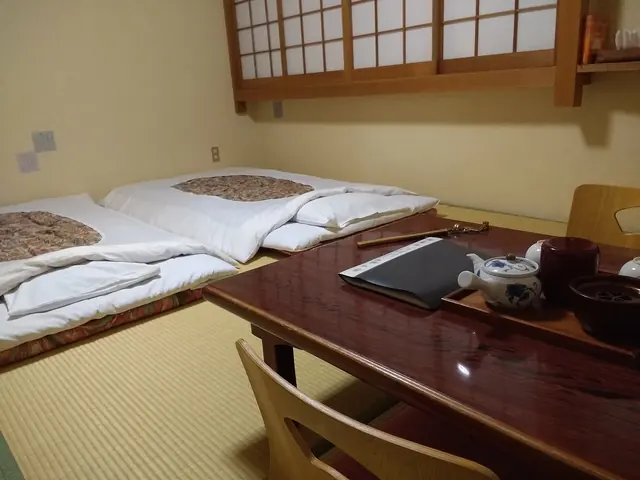
- The room: a traditional Japanese room with tatami floors, where you sleep on a futon.
- The meals: dinner and breakfast of shojin ryori, Buddhist vegetarian cooking, served at set times.
- The morning service: the monks chant the sutras in the main hall early in the morning, and guests may join them.
A shukubo is not a hotel, and it is not quite a ryokan either. The temple is still a working temple: its monks keep their own timetable, and the lodging fits around it. That is why meal times are set, why there is a curfew at night, and why the day starts early. In return, you see a side of Japan that a hotel cannot show you.
Shukubo or ryokan?
From the outside, the two look alike: Japanese-style rooms, futons and two meals. The Kyoto City Tourism Association's guide to lodging in Kyoto describes the ryokan this way: "The Japanese-style rooms with futon mattresses and stays that include dinner and breakfast make ryokan perfect for a relaxing visit to Kyoto." Of the temple lodging, it says: "One way to have a very Kyoto-like experience is to try out shukubo lodging where you stay in a temple and experience performing chores in the morning and having shojin-ryori Buddhist meals." The difference is in what you do there, and in what you eat.
Shukubo and ryokan side by side
- Shukubo: run by a temple, or sometimes a shrine. The food is vegetarian shojin ryori, and the day follows the temple, from the morning service to the curfew.
- Ryokan: run as an inn, often with an okami, the proprietress, who looks after the guests. Dinner and breakfast follow the seasons, and some ryokan offer breakfast only.
The ryokan guide explains how a night at a ryokan works. If this is your first temple stay, Koyasan has the widest choice, from simple rooms to suites, and some of its temples help guests in English.
What a temple stay costs
There is no single price, because each temple sets its own. The Koyasan pages used for this guide do not give a price for a night, so check it on the booking page of the temple you choose. The Kyoto City Tourism Association is encouraging about it: "The prices to stay at some shukubo are surprisingly reasonable."
Koyasan, the mountain of temple lodgings
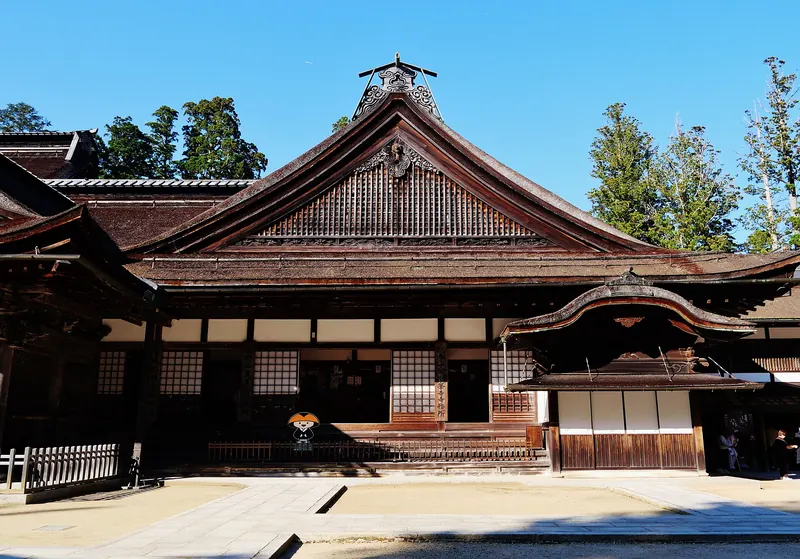
Koyasan, also called Mount Koya, is the place most people mean when they talk about a temple stay in Japan. It is a whole town of temples on a mountain in Wakayama Prefecture, south of Osaka. The Koyasan Shukubo Association explains that "Koyasan is home to an active monastic center founded twelve centuries ago by the priest Kukai (posthumously known as Kobo Daishi) for the study and practice of Esoteric Buddhism." In 816, Emperor Saga gave Kukai permission to build a monastery here, and Koyasan has been the centre of Shingon Buddhism ever since.
Koyasan in three numbers
- 816the year Kukai was given permission to found Koyasan
- 117temples today, against 812 counted in 1832
- 52of them take overnight guests, on the association's list
Count the temples and you will find slightly different numbers. The association's Japanese pages say that 52 of the 117 temples take guests, and one JNTO page says 52 as well; Visit Wakayama, the prefecture's tourism site, and another JNTO page say 51. Either way, about 50 temples have rooms. Visit Wakayama also says the town once had more than 2,000 temples at the height of the Edo period, while the association quotes a survey from 1832 that counted 812. The loss of Koyasan's lands and forests to the state in the Meiji period, and fires, brought the number down.
The town sits in a high basin. Sekisho-in, one of the lodging temples, describes Koyasan as lying at "an altitude of about 800 m, and stretches about 6 km from east to west and about 3 km from south to north". You do not have to be a Buddhist to stay: Visit Wakayama writes that "All visitors are welcome, and can not only see the inner workings of Shingon monastic life, they can also take part."
Getting to Koyasan
You can visit Koyasan in a day from Osaka, but a night there lets you see the town in the evening and early in the morning. JNTO gives the simplest route: "Koyasan is most easily accessed from Osaka's Namba Station. Take the Nankai Koya Line and transfer to the cable car at Gokurakubashi Station." According to the association, the Limited Express takes 1 hour 40 minutes from Namba, and the Express about 2 hours.
From Osaka to a Koyasan temple
- Namba Station, Osaka: take the Nankai Koya Line, by Limited Express (4 round trips a day) or Express (about every 30 minutes).
- Gokurakubashi Station: change to the cable car, a ride of about five minutes.
- Koyasan Station: take a bus bound for Okunoin-mae from stop No. 2.
- Your temple: get off at its nearest stop, such as Karukayado-mae for Eko-in.
If you are travelling on from Osaka, the Osaka guide covers the city itself.
Booking a shukubo at Koyasan
You can book in two ways: through the Koyasan Shukubo Association, which lists the lodging temples and takes bookings for them, or on a temple's own website. JNTO says that "Reservations can be made through the official website of the Koyasan Tourist Association and Koyasan Shukubo Association." It adds a warning that is worth taking seriously: "Make sure to book well in advance."
Booking a temple stay at Koyasan
- Choose a temple: compare the rooms, times and experiences on the association's page for each temple.
- Book: on the association's website or the temple's own site; the association's office is on +81(0)736-56-2616, from 9:00 to 16:30.
- Book early: Eko-in, for example, opens its bookings 11 months ahead.
- Book extras: ask what experiences there are, and book the night tour of Okunoin separately.
- Bring cash: most lodgings do not take credit cards.
Eko-in shows how far ahead the dates go. Its English site says: "Reservations for the accommodation can be made up to 11 months in advance from our official website." On 1 October 2026 it opened bookings for September 2027, and bookings for October 2027 open on 1 November 2026.
Cash, ATMs and Mondays
Koyasan is not a place for cards. The association's home page warns: "Many of the shops are closed on Monday. Credit cards are not accepted at most of the shops and lodgings." Visit Wakayama says the same of the temples: "Shukubo temple retreats normally do not accept credit cards, only cash." Bring enough cash for the night, the experiences and lunch the next day.
Money on Koyasan
- International ATM: at the post office, 8:45 to 18:00 on weekdays, 9:00 to 17:00 on Saturdays, and 9:00 to 15:00 on Sundays and holidays
- Convenience store: open 24 hours
- Exchange machines: 7:00 to 21:00, for US, Australian, Hong Kong and Taiwan dollars, euros, Chinese yuan, Korean won and Thai baht
- Shops: many are closed on Mondays
The guide to cash and cards in Japan explains when you need cash, and the ATM guide explains how to take money out in Japan.
A night at a shukubo, step by step
A night at a temple runs on the temple's clock. JNTO describes it this way: "Spending a night in Koyasan's traditional shukubo offers an experience of Shingon Buddhist monastic life." The times below come from the association's pages for six lodging temples and from Eko-in's own site. Each temple keeps its own hours, so check yours when you book.
One night at a Koyasan temple
- Check in: from 14:00 or 15:00, and by 17:00 at all six temples.
- Late afternoon: meditation at some temples, such as ajikan at Eko-in from 16:30.
- Dinner: shojin ryori at a set time; at Eko-in it is served in your room.
- Evening: an optional night tour of the Okunoin cemetery, booked separately.
- Curfew: at 21:00 or 22:00 at most of the six temples; ask yours when you book.
- Morning service: between 5:50 and 7:00, depending on the temple and the season.
- Fire ritual: the goma, at some temples; at Eko-in at 7:30, after the service.
- Breakfast and check-out: check-out is at 9:00 or 10:00.
Arrive in good time: at all six temples in this guide, check-in ends at 17:00. If your train is late, call the temple.
The morning service
The morning service is the heart of a temple stay. The association explains: "A Buddhist service is held early every morning at shukubo temples. During the ceremony, the chief priest and monks of the temple chant Buddhist sutras in the main temple hall." It also says how early: "Depending on the temple, the ceremony may start at around 6:00 AM."
The morning service at six Koyasan temples
- Daien-in: 5:50 in summer, 6:20 in winter, free
- Rengejo-in: 6:00
- Kongosanmai-in: 6:30
- Sekisho-in: 6:30 in summer, 7:00 in winter
- Eko-in: 7:00 every day on its own site, then the fire ritual at 7:30; the association's list gives 6:30 in summer and 7:00 in winter
- Fukuchi-in: free; ask the time when you check in
Eko-in's site gives its own times: "Every day at 7 am, the Religious Service is held in the main hall." Then "Following the morning service, a Goma (Homa) Fire Ritual is performed every day at 7:30 am at the Bishamondo." For guests, both are free: "Overnight guests are welcome to participate without reservations and fees."
Do you have to take part?
No. JNTO is clear on this: "It is recommended, though not mandatory, to take part in some of the monks' spiritual practices such as meditation and copying sutras." Still, the morning service is the one part of the stay that only a temple can offer, so it is worth getting up for once.
What is up to you, and what is not
- Up to you: the morning service, the fire ritual, meditation and sutra copying.
- Not up to you: checking in by 17:00, the meal times and the curfew.
- Up to you: the night tour of Okunoin, which you book and pay for separately.
- Not up to you: the food, which is vegetarian; special diets need notice.
The Okunoin night tour
The other highlight of a night at Koyasan is a walk through Okunoin, the great cemetery around the mausoleum of Kukai. JNTO describes the path: "The cobbled pathway leading to Okunoin passes by over 200,000 mossy gravestones and memorials under a thick green canopy of ancient cedar trees." After dark, you can walk it with a guide. JNTO's advice is: "If you only have time for a single tour, reserve a spot on the Okunoin Night Tour, which departs every evening (except on the 20th of the month) from Ekoin Temple."
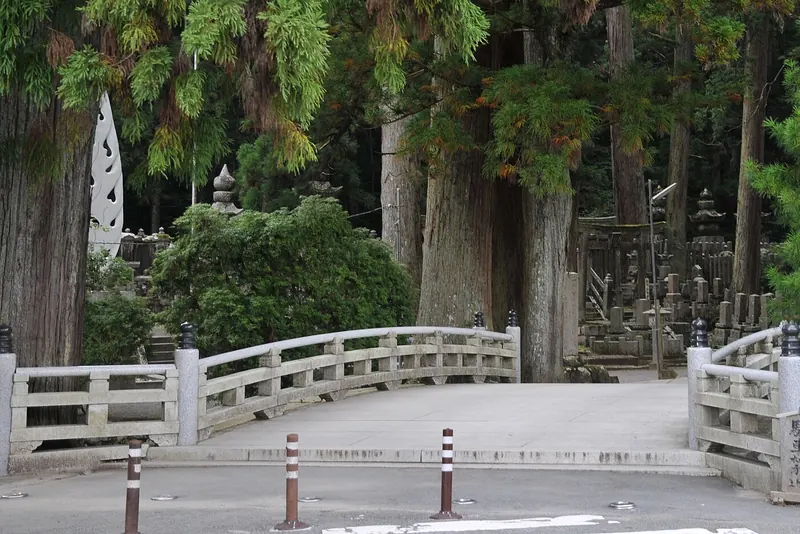
JNTO adds that "An English-speaking monk will lead you through the cemetery by torchlight recounting anecdotes and letting you in on little-known secrets." Eko-in's own page says you will be guided by "a monk or a guide who lives in Mt. Koya", and it is run by a separate company, so even Eko-in's guests have to book it. In Eko-in's words: "This tour is NOT INCLUDED in Ekoin’s accommodation plan, so if you wish, you will need to make a separate reservation." It also warns: "Especially from March to November, this tour often gets fully booked, so it’s recommended to make reservations early."
Six Koyasan temples compared
With about 50 temples to choose from, the hardest part of a Koyasan stay is picking one. The association's English site gives 31 of them a page of their own, with the times, the experiences and the nearest bus stop. Six of them are compared below, and between them they show the range: old temples tied to samurai families, a pagoda that is a National Treasure, a garden from the Showa period, and rooms from a single tatami room to a suite. The times are as the association listed them on 19 October 2026.
| Temple | Check-in | Check-out | Curfew |
|---|---|---|---|
| Eko-in | 14:00–17:00 | 10:00 | not listed |
| Daien-in | 15:00–17:00 | 10:00 | 22:00 |
| Rengejo-in | 15:00–17:00 | 9:00 | 21:00 |
| Sekisho-in | 15:00–17:00 | 10:00 | 21:00 in summer |
| Kongosanmai-in | 14:00–17:00 | 10:00 | 22:00 |
| Fukuchi-in | 15:00–17:00 | 9:00 | 21:00 |
For winter, the association's page for Sekisho-in gives a curfew of 17:00, the same time as the end of check-in, so ask the temple when you book. The second table gives the number of private rooms, from the association's Japanese list of lodging temples, with the bus stop and the phone number. All six buses leave from stop No. 2 at Koyasan Station, bound for Okunoin-mae.
| Temple | Private rooms | Nearest bus stop | Phone |
|---|---|---|---|
| Eko-in | 33 | Karukayado-mae | +81(0)736-56-2514 |
| Daien-in | 35 | Odawara-dori | +81(0)736-56-2009 |
| Rengejo-in | 48 | Isshin-guchi | +81(0)736-56-2231 |
| Sekisho-in | 60 | Okunoin-guchi | +81(0)736-56-2734 |
| Kongosanmai-in | 63 | Senjuin-higashi | +81(0)736-56-3838 |
| Fukuchi-in | 66 | Keisatsu-mae | +81(0)736-56-2021 |
What makes each temple different
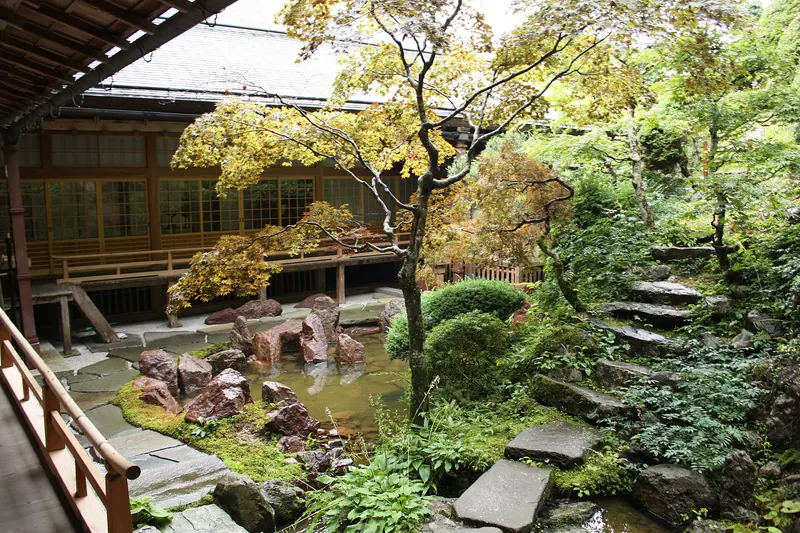
Each temple has its own history, and most of them make something of it. Of Eko-in, the association writes: "The accommodation has a beautiful view of the garden from its purely Japanese architecture." The others are older than they look, and several have been linked with the same noble or samurai families for centuries.
Six temples in a line each
- Eko-in: a garden view, rooms from a single tatami room to a suite, ajikan every afternoon and a fire ritual every morning; the Okunoin night tour starts here.
- Daien-in: founded in the Enki era (901–923) and given its present name around 1600; sutra copying for ¥1,000, booked ahead.
- Rengejo-in: founded at the start of the Kamakura period, and the Sanada family's temple on Koyasan; its Japanese page says it can fully help guests in English.
- Sekisho-in: founded in 923, and later the burial ground of the Akamatsu clan, then of the Hosokawa, Arima and Kuroda clans; Wi-Fi throughout.
- Kongosanmai-in: founded by Hojo Masako, wife of Minamoto no Yoritomo, the first Kamakura shogun; its pagoda, the Tahoto, is a National Treasure.
- Fukuchi-in: a large garden in three styles by Mirei Shigemori, a garden designer of the Showa period, and air-conditioned rooms with Wi-Fi.
Rengejo-in has the most famous story. After the Battle of Sekigahara, the warlord Sanada Masayuki and his son Yukimura were ordered to live in exile on Koyasan. They lodged for a time at Rengejo-in, and Masayuki's wife and children were settled at Kudoyama. Its Japanese page adds that the temple escaped the two great fires of the Meiji period. Kongosanmai-in was founded to mourn Yoritomo and the third shogun, with Eisai, the founder of the Rinzai school of Zen, as its founding priest, and it is part of the World Heritage site.
Choosing a room
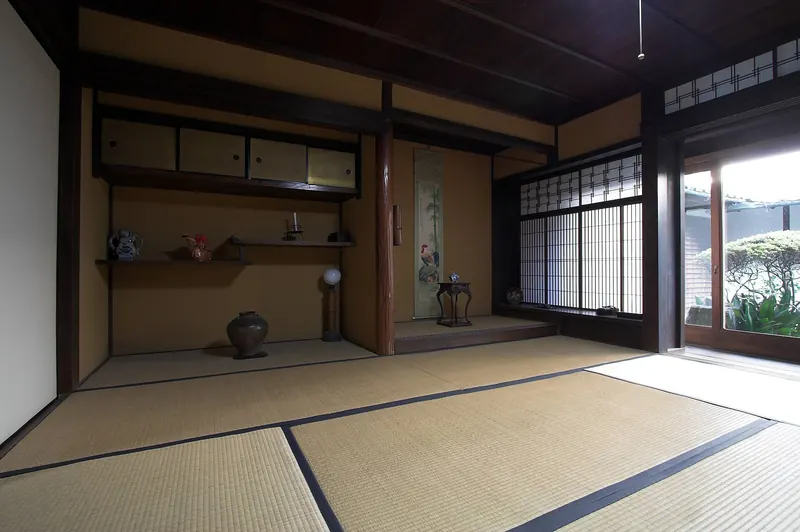
Most shukubo rooms are Japanese-style: tatami floors, sliding doors and a futon laid out at night. They are measured in jo, the size of one tatami mat; Eko-in gives its 10-jo rooms as 16.53 square metres. At Rengejo-in, 7 of the private rooms are divided by walls and 41 by fusuma, sliding paper doors, so if you are a light sleeper, ask for a room with walls.
Eko-in shows how wide the choice can be. At one end are its compact rooms of 6 jo for one or two people: "They are also ideal for a single person to stay." At the other is Gachirin, which opened in March 2022 as "the largest suite of temple lodgings in Koyasan", with 100 square metres and its own garden.
Room types at Eko-in
- Compact Japanese-style room: 6 jo, for 1 to 2 people
- General Japanese-style room: 8 to 12 jo, for 1 to 4 people; no toilet of its own, so you use the shared ones
- Superior Japanese-style room: 10 jo, for 1 to 3 people, with its own toilet
- Ruri: 40 square metres, Japanese and Western style, for 2 to 3 people
- Hisui: 50 square metres, for 1 to 4 people, with a view of the town
- Kongo and Tenjiku: junior suites of 60 and 65 square metres, each with a small garden; opened in April 2024
- Gachirin: 100 square metres, for 1 to 6 people; opened in March 2022
Shojin ryori and special diets
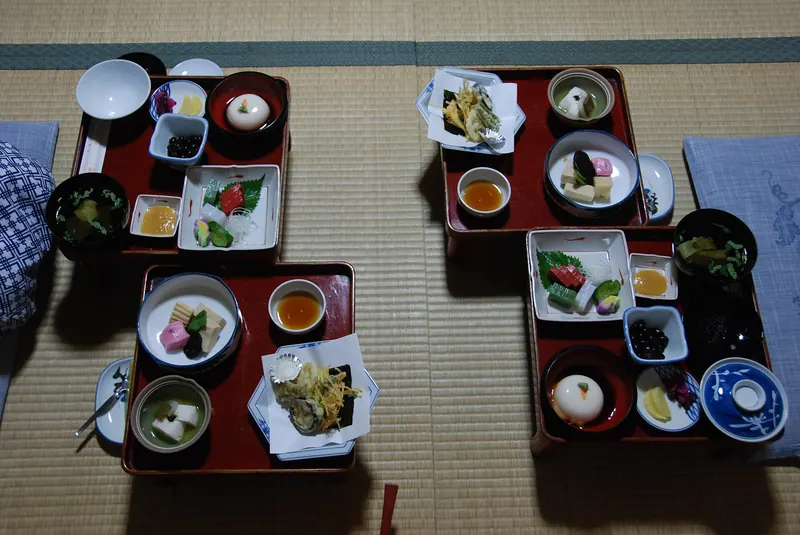
The food is one of the main reasons people stay. Visit Wakayama describes it well: "A vegetarian Buddhist cuisine made entirely of vegetables and edible wild plants, shojin-ryori may sound simple yet that could not be farther from the truth." JNTO sets out what it leaves out: "Each meal is free of meat, fish, green onion, garlic, and other stimulants." At Eko-in, the dishes change with the season.
The three rules of five, as Eko-in explains them
- Goho, five methods: food served raw, boiled, baked, fried or steamed.
- Gomi, five flavours: salt, sugar, vinegar, soy sauce and spicy hot.
- Goshoku, five colours: blue, yellow, red, white and black.
Two dishes belong to the mountain itself. Visit Wakayama writes: "Specialties include koya dofu and its sesame-flavored relative, goma dofu." At Eko-in, dinner is furimai ryori, a banquet of the kind served once the monks' ceremonies are over. At Fukuchi-in, the association says, "all vegetarian dishes are handmade by the chef and are changed monthly".
Vegan, gluten-free and allergies
Shojin ryori suits vegetarians, and usually vegans too. JNTO says: "Vegan-friendly shojin ryori is also available." Eko-in's policy is more exact: its dinner and breakfast are cooked "excluding any meat, fish, eggs, dairy, onion and garlic for dinner and breakfast". Allergies are harder. Soy sauce and miso go into most dishes, so if you cannot eat soy, Eko-in warns that your meals will be quite simple. It also points out that "our facility only has one kitchen", so it cannot cook allergy meals apart from the rest, and it suggests that guests with severe allergies bring their own food.
If you have a special diet
- Vegetarian or vegan: shojin ryori is vegetarian, and vegan-friendly meals are available; say so when you book.
- Gluten-free: Eko-in offers a gluten-free menu for wheat allergies and coeliac disease.
- Allergies: write to the temple as soon as you have booked.
- Dislikes: Eko-in cooks only for real allergies, not for likes and dislikes.
Eko-in's own words on timing are: "please contact us at least one week in advance, as we may need to purchase and prepare ingredients." Other temples set their own rules, so ask yours.
Lunch without staying the night
You do not have to stay the night to try the food. JNTO says that "Shukubo serve shojin ryori meals to overnight guests, but it is also possible to get Buddhist lunches at some of the eateries in the temple town." Some temples serve lunch too. Eko-in serves it from 11:00 to 13:00, and its cuisine page is clear: "Lunch is only available by reservation." The association has stopped taking lunch bookings for now, its Japanese page says, so book with the temple itself.
Lunch at Eko-in
- Matsu: deluxe shojin ryori, three courses of about 12 dishes, ¥7,800
- Take: standard shojin ryori, two courses of about 10 dishes, ¥5,800
- Gluten-free: a traditional shojin ryori without gluten, ¥5,800
- Booking: for the Take meal and up only; the dishes change with the season
Meditation, sutra copying and other experiences
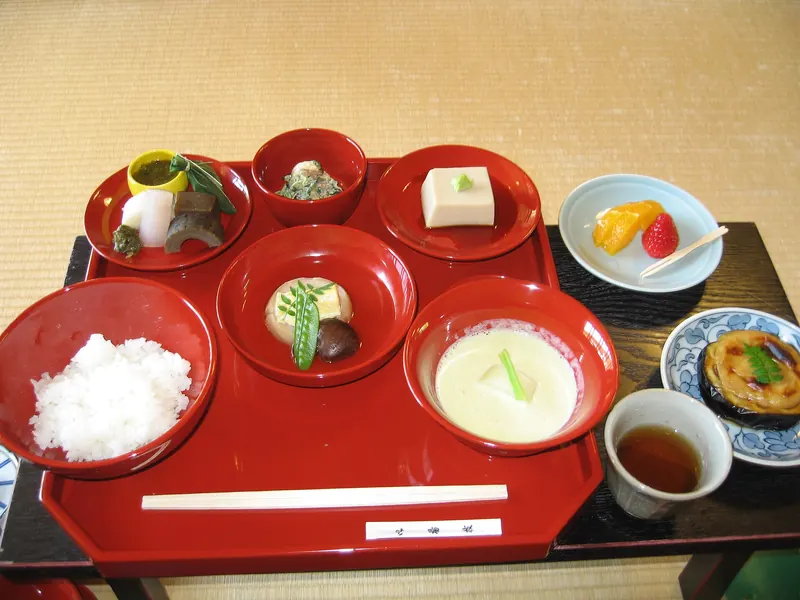
Most temples offer more than a bed and two meals. JNTO puts it this way: "One of the big draws of a visit to Koyasan is the range of experiences and activities on offer from meditation, sutra-copying and matcha tea experiences to private tours with a monk as your tour guide." Not every temple offers every experience, and some need booking, so ask when you reserve your room. The table shows the fees as the temples and the association listed them.
| Experience | Where | Fee |
|---|---|---|
| Ajikan meditation | Eko-in, daily from 16:30 | free for guests; ¥2,000 for others |
| Ajikan meditation | Rengejo-in, from 17:30 | free |
| Ajikan meditation | Sekisho-in, booked ahead | ¥1,000 |
| Sutra copying | Eko-in, in your room | free; ¥1,000 to dedicate it to Okunoin |
| Sutra copying | Daien-in, Rengejo-in, Sekisho-in | ¥1,000 |
| Tracing a Buddhist image | Fukuchi-in | ask the temple |
| Jukai, receiving the precepts | the Jukai-do | ¥1,000 |
| Audio guide | the association's offices | ¥500 |
Ajikan meditation
Ajikan is the meditation of Shingon Buddhism. The association describes it as "a form of Shingon meditation for integrating the practitioner with the Buddha", and its Japanese page explains how: you meditate on the Sanskrit letter A, drawn inside a moon disc, which stands for Dainichi Nyorai, the cosmic Buddha. JNTO says that "Many temples offer ajikan experiences led by monks." The association is more careful: "Only a few shukubo temples are able to provide an Ajikan experience to private visitors, so be sure to check first."
Ajikan at Eko-in
- Book: guests can join for free; visitors who are not staying pay ¥2,000.
- Arrive early: come 10 minutes or more before it begins at 16:30.
- Learn: the monks teach you at the temple's ajikan hall.
- Sit: the session lasts about 40 minutes.
At Eko-in, the monks "will give you detailed instructions at the Ajikan Dojo", so you do not need any experience. Groups of more than five should get in touch first, and preschool children cannot take part. If your temple does not offer ajikan, Kongobu-ji's teaching office runs sessions for the public by booking, on 0736-56-2014.
Sutra copying
Shakyo, sutra copying, is the easiest experience to fit in, because you can do it in your room. JNTO describes it as a practice "where you write over faintly printed Chinese characters". The text is usually the Heart Sutra, the Hannya Shingyo, which the association calls "the essence of the Buddhist scriptures". At Eko-in, "You can practice sutra copying in your room at any time."
Sutra copying at Eko-in
- Check in: tell the temple that you would like to copy a sutra.
- Copy: trace the Heart Sutra in your room, in your own time.
- Dedicate: leave it with the temple for free, or pay ¥1,000 to have it dedicated at Okunoin.
Eko-in asks: "If you would like to participate, please let us know when you check in." Visitors who are not staying can also take part for ¥2,000. If you are not staying at a temple that offers it, the association's Japanese page points you to the head office of the Daishi Kyokai, on 0736-56-2015.
Jukai, the audio guide and private experiences
Two more experiences are not tied to your temple. The first is jukai, a short ceremony in which you receive the Buddhist precepts. In the association's words: "At the Jukai-do (precept hall), visitors can receive ten Buddhist precepts for living a responsible life in a moving ceremony." The second is an audio guide to the sights, which you can rent from the association's offices.
Two experiences on your own timetable
- Jukai: at 9:00, 10:00, 11:00, 13:00, 14:00, 15:00 and 16:00; it takes 30 minutes, costs ¥1,000, and you should arrive ten minutes early.
- Audio guide: ¥500, one per person, from 8:30 to 16:30; if you are staying the night, you can return it the next morning.
For a guide in person, the association points to the Koyasan Interpreter Guide Club, which leads tours of Koyasan in English. Eko-in also offers private experiences led by a monk, booked for your group alone: a private ajikan session, a special fire ritual, a private tour with a monk, and a Buddhist wedding.
Etiquette and what to bring
A temple stay asks little of you, but a temple is a place of worship first and a lodging second. GO TOKYO's guide to temple lodgings in Tokyo, a page last updated in 2021, has advice that holds anywhere in Japan. On clothes, it says: "Wear comfortable clothes for sitting cross-legged on the floor." On the room: "Amenities are usually more basic than those provided by hotels, so bring comfort items with you, as well as an extra layer of clothing if staying in the colder months."
What to pack for a temple stay
- Cash: for the night, the experiences and lunch the next day; most lodgings at Koyasan take no cards.
- Socks: for the tatami and the wooden floors of the halls.
- Loose clothes: trousers or a long skirt you can sit cross-legged in.
- An extra layer: for cold halls, and for the mountain climate at Koyasan.
- A towel: not every lodging has one.
- Snacks: meals come at set times, and not always when you are hungry.
The towel is the thing people forget. Dewasanzan.com, writing about the lodges at Dewa Sanzan, says: "Bear in mind that some Shukubo may not have towels on hand." Ask when you book, or bring a small one. Getting to Koyasan also means a train, a cable car and a bus, so travel light if you can; the luggage guide explains how to send a suitcase ahead to your next hotel.
In the halls and the rooms
Shoes come off indoors. JNTO's description of Kongobu-ji, the head temple at Koyasan, starts with exactly that: "Take off your shoes and wander through the temple halls, adorned with graceful carved wooden cranes, elaborate flowers, and gilded sliding doors." Shunkoin in Kyoto puts its rule for retreat guests in three words: "Socks are required." Visit Wakayama links to a guide to worship etiquette for Koyasan, which covers what to wear, the places where photographs are not allowed, and how to behave when you worship, and asks visitors to read it before they come.
Manners in a temple
- Shoes: off at the entrance, wherever the temple asks
- Socks: on, rather than bare feet; Shunkoin requires them
- Hats: off inside the buildings, as Shunkoin asks
- Clothes: Shunkoin does not recommend short skirts
- Photos: not in the areas where the temple does not allow them
- Times: meals, the curfew and the morning service start on time
Expect to sleep the traditional way. Of the lodges at Dewa Sanzan, Dewasanzan.com says that "sleeping on a futon on the floor is the norm", although some will arrange a bed if you ask, and rooms often have a yukata, a cotton robe, Wi-Fi or a TV. Meals keep to the temple's day, and GO TOKYO has two tips about the timetable. The first: "Dinner and breakfast at temple stays are often served at fixed times, so plan your trip accordingly, and bring snacks if you think you might get hungry." The second: "Ask what experiences are available at the shukubo ahead of time—some offer meditation and other activities in the middle of the afternoon, which you can join if you arrive early enough." Remember the curfew, too: at most of the Koyasan temples in this guide it is 21:00 or 22:00.
Temple stays beyond Koyasan
Koyasan has the most temple lodgings, but it is far from the only place. GO TOKYO starts its guide with that point: "When people think of temple stays, Koyasan in the mountains of Wakayama Prefecture may come to mind, but you can even experience shukubo in Tokyo!" The temples below are described in English by JNTO, GO TOKYO, the temples themselves or, for Dewa Sanzan, Dewasanzan.com. Each takes bookings in its own way, so check its own page.
Temple stays outside Koyasan
- Tokyo: Temple Hotel Shoden-ji in Minato City, and the shrine lodgings of Mount Mitake in western Tokyo.
- Kyoto: Shunkoin, a sub-temple of Myoshin-ji, with overnight Zen retreats in English.
- Near Kyoto: Myogonin at Miidera in Shiga, and Shoureki-ji in the mountains of northern Kyoto; each takes one group at a time.
- Nara: Gyokuzoin, in the hills with views of Mt. Shigi.
- Nagano: the 39 temple lodgings of Zenko-ji.
- Yamagata: the pilgrim lodges of Toge, below Mount Haguro, and Saikan at the top.
Tokyo: Shoden-ji and Mount Mitake
GO TOKYO describes three lodgings in Tokyo, one in the city and two in the mountains to the west. Its page dates from 2021, so check each lodging's own site for what it offers now.
Temple and shrine lodgings in Tokyo
- Temple Hotel Shoden-ji, Minato City: tatami rooms beside a temple's main hall in central Tokyo, with sutra copying, and amulets and prayer beads to make by reservation.
- Mount Mitake, Ome City: shrine lodgings on the path up to Musashi Mitake Shrine, reached by cable car; Seizan-so and Kaminoya Sanraku-so both offer waterfall meditation.
Shoden-ji is new as lodgings go: "The shukubo opened in 2019 in a two-story building constructed in recent years next to the main hall of Shoden-ji Temple." It stands between Hamamatsucho and Tamachi stations on the Yamanote Line, with easy access to Haneda Airport, and its rooms combine a modern design with tatami and zabuton, flat floor cushions. The temple is much older: "The temple has around 400 years of history and is believed to be guarded by Bishamonten, one of the Seven Gods of Fortune."
Two lodgings on Mount Mitake
- Seizan-so: a thatched building in the Chichibu-Tama-Kai National Park, with hiking trails close by and waterfall meditation; pack walking shoes and a towel
- Kaminoya Sanraku-so: run by the head priest of Musashi Mitake Shrine and also a ryokan, with early morning worship and a waterfall trip at around 5 am
- Getting there: the last stretch up the mountain is by cable car
Mount Mitake feels far from the city. "Seizan-so is tucked away in the mountains of the Chichibu-Tama-Kai National Park in western Tokyo." As GO TOKYO puts it, "It's one of the shukubo along the approach to Musashi Mitake Shrine", in a thatched building with plenty of hiking trails nearby, and "The final ascent is made by cable car." For its waterfall meditation, the advice is: "Remember to bring comfortable shoes and a towel." Nearby, "Kaminoya Sanraku-so is a shukubo run by the kannushi—the head priest—of Musashi Mitake Shrine." It also works as a ryokan, so you can simply stay, or join the early morning worship and a waterfall trip that leaves at around 5 am.
Kyoto: a Zen retreat at Shunkoin
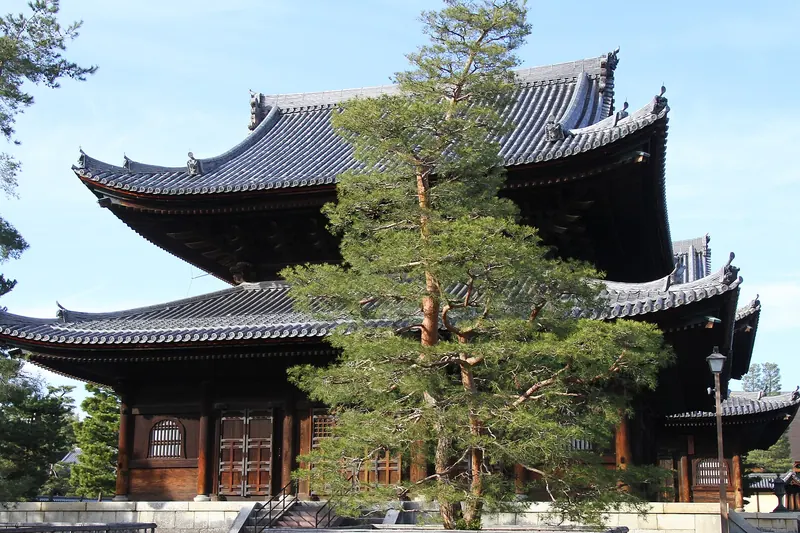
Shunkoin is a temple of the Rinzai school of Zen, founded in 1590 by Horio Yoshiharu. In the temple's own words, "Shunkoin Temple is located within the Myoshinji temple complex in Kyoto." The nearest stations are Hanazono on the JR Sagano Line and Myoshinji on the Keifuku line. Its guesthouse has eight private rooms for one to three people, each with its own shower and toilet. The Japanese version of its home page notes that, for now, only some of its experiences are running.
The overnight Zen retreat is the easiest way in for a first-timer. The temple is clear on the language: "This retreat is conducted in English." Its leader is the temple's 24th head priest, Rev. Takafumi Zenryu Kawakami, and "The sessions are suitable for those who are new to meditation as well as those with an established contemplative practice." The stay includes two shojin ryori meals and a private room in the guesthouse, with a toilet and shower room of its own.
The Shunkoin overnight Zen retreat
- Day 1, from 12:00: check in.
- 13:00 to 17:00: an introduction and meditation, then calligraphy, then more meditation.
- 18:00 to 21:00: dinner, then evening meditation from 20:00.
- Day 2, 7:00 to 9:30: morning meditation, then breakfast at 8:30.
- 10:00 to 12:30: a tea ceremony, then meditation and questions; check-out is at 12:30.
The two arts depend on who is free: "The schedule for the calligraphy session and tea ceremony may change depending on the availability of the calligraphy and tea masters." Retreats are held on set dates, in October and November for autumn 2026, so check the temple's website for the next ones. If you cancel less than 10 days before, you pay 50% of the fee; inside the last week, you pay all of it. For the tea ceremony itself, see the tea ceremony guide; for the city, see the Kyoto guide.
Near Kyoto: Miidera and Shoureki-ji
Two temples within reach of Kyoto take a single booking at a time, so the lodging is yours alone.
One group at a time near Kyoto
- Myogonin, Miidera, Shiga: monks' quarters on the grounds of Miidera, renovated in 2018 and run as Waqoo Miidera; up to four people.
- Shoureki-ji, Ayabe, Kyoto Prefecture: a temple founded in 942, two hours or so by train north of Kyoto; three large rooms for up to eight people.
Miidera, also called Onjo-ji, stands below Mt. Hiei, close to Lake Biwa, in Shiga Prefecture. It is the head temple of the Tendaijimon sect, and JNTO notes that "Miidera has a history of over 1,000 years." Its lodging is old too: "Myogonin Temple is a 400-year-old monks’ quarters surrounded by private gardens on Miidera’s grounds, which is available for exclusive stays." It offers three plans, and the fullest includes zazen in the Kangaku-in Kyakuden or the reception hall of Kojo-in, both National Treasures. The staff confirm your food preferences before you arrive, and "Vegetarian, vegan, and halal dishes can all be provided."
Three ways to stay at Myogonin
- Breakfast only: a night on the temple grounds with breakfast.
- Dinner and a guided tour: breakfast and dinner, and a tour of the grounds in English.
- The full plan: both meals, the tour and a choice of Buddhist experiences, with entry to parts of the grounds kept closed to others, among them the moon-viewing stage and a pagoda of three storeys.
Shoureki-ji, near Ayabe, is a quieter kind of stay. "The temple accommodates just one group at a time", and the chief priest and his wife cook the meals and lead guests through morning prayers and sutra copying. The guest quarters are in a residence built around 100 years ago, with Wi-Fi and views of the Yura River. Not every temple stay is vegetarian: dinner here centres on a whole Shamo chicken, although "Guests can arrange alternatives to chicken with prior notice." You can also try chikurin zazen, meditation in a bamboo forest, and a goma fire ceremony, in which your wishes are written on wooden tablets and burned.
Nara: Gyokuzoin
Among the hills of Nara Prefecture, in the Kongo-Ikoma-Kisen Quasi-National Park, JNTO describes a temple with views of Mt. Shigi. "Gyokuzoin was founded over 1,000 years ago", and it offers several Buddhist practices to visitors. As JNTO adds, "Shukubo overnight stays are also available."
What you can do at Gyokuzoin
- Goma: prayer rituals around a fire.
- Sutra copying: writing out a sutra with a brush.
- Tracing Buddhist images: copying a picture of a Buddha by tracing it.
- Zazen: seated meditation.
- Stay the night: a Japanese-style room and shojin ryori.
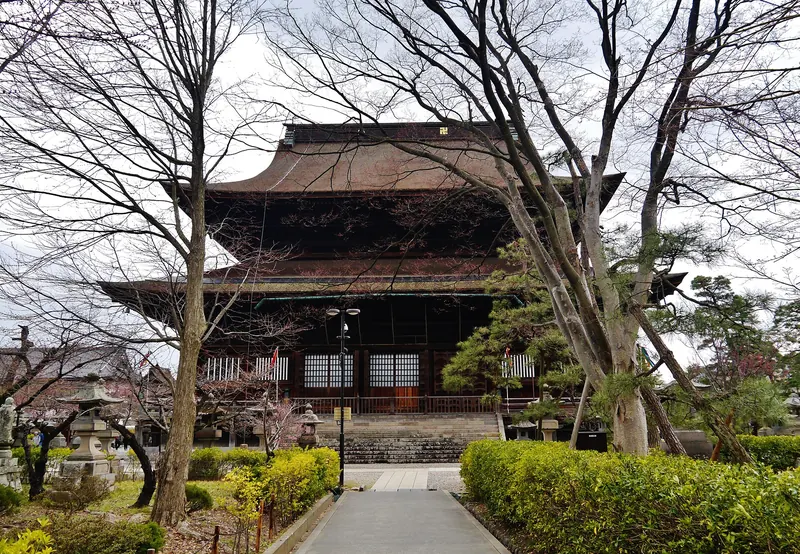
Nagano: the lodgings of Zenko-ji
Zenko-ji in Nagano is a large temple that JNTO calls "Home to the oldest hidden Buddhist statue in Japan". It offers zazen and sutra copying, and it has a whole quarter of lodgings: "There are 39 shukubo (temple lodgings) in Zenkoji, where you can stay the night and learn about the monastic lifestyle and taste the shojin Buddhist vegetarian cuisine."
Yamagata: the pilgrim lodges of Mount Haguro
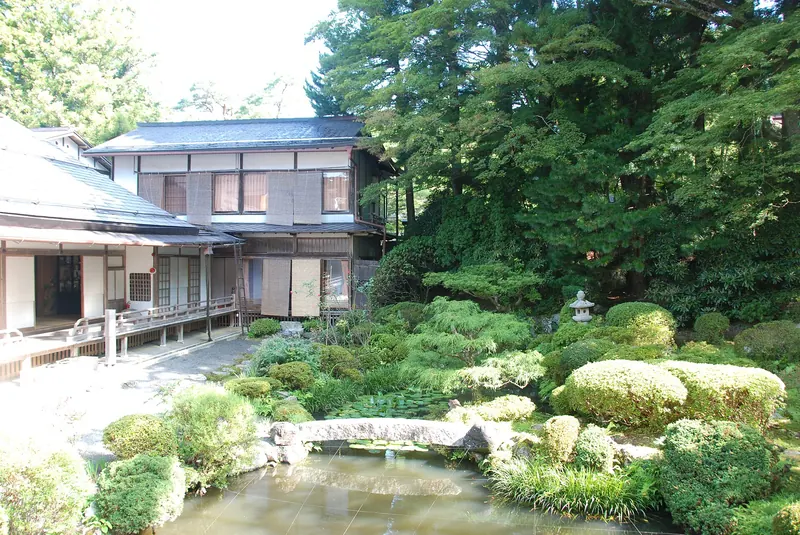
The lodges at Dewa Sanzan, the three sacred mountains of Yamagata, are a different world from Koyasan. Dewasanzan.com explains: "Staying in a Shukubo is more like staying in both a temple and a Ryokan at the same time." Each one has to have an altar, and "All Shukubo are run by Yamabushi". They stand in Toge, a small town on Mount Haguro, and they once made up most of it: "At their peak, of the 400 households in Toge, 300 were Shukubo". Today there are fewer than 30.
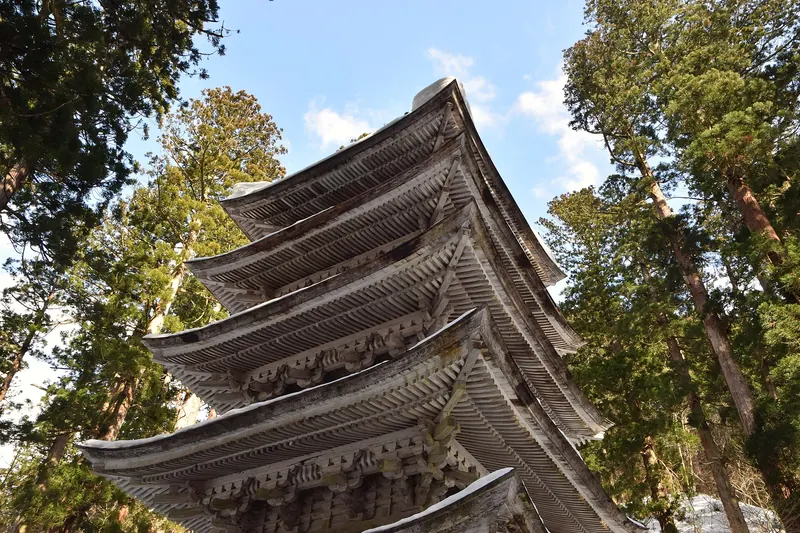
Religion here is a mix. The same site says that "for the most part the Shukubo are not Buddhist", and the morning prayers can combine Buddhist, Shinto and Haguro Shugendo practice. Guests do not have to belong to any of them: "Each Shukubo invites everyone staying to take part regardless of religion." The meals are mainly vegan, but some lodges make their soup with fish stock, so mention any diet when you book. Some lodges open only at certain times of year, and some take only large groups or kochu, pilgrim groups from around Japan.
Lodges at Dewa Sanzan open to visitors from abroad
- Daishobo: a pilgrim lodge
- Daishinbo: a pilgrim lodge, in the hands of the Hayasaka family for more than 350 years
- Sankoin: a pilgrim lodge
- Hashimotobo: a pilgrim lodge
- Saikan: on the summit of Mount Haguro, and Dewa Sanzan Shrine runs it; not strictly a shukubo
Saikan began as Kezoin, a temple from 1697, and a long hallway links it to Dewa Sanzan Shrine. Dewasanzan.com writes that "Those who want a particularly spiritual experience are invited to join the daily prayers at the shrine, such as the morning service at 7am." Its dashi, soup stock, sometimes contains bonito, but "if asked, Saikan can create vegan dishes using kelp Dashi stock, you just need to ask." Dewasanzan.com itself no longer arranges rooms or meals, so book with the lodge directly. To get there, take the bus from Tsuruoka Station to Mount Haguro; for the lodges, the best stops are Sakura Koji or Zuishinmon.
When to go
Koyasan takes guests all year, but it is a mountain town. Visit Wakayama's advice is short: "With an average temperature between 10°C - 11°C, warm dress for the mountain climate is recommended." GO TOKYO's tip to pack an extra layer for the colder months matters most here.
Koyasan through the year
- January and February: the coldest months, below zero, with snow now and then.
- Spring: the temperature passes 10°C only at the end of March.
- Summer: it is hottest in mid-August.
- Autumn: Visit Wakayama calls late September the most pleasant time.
Festivals at Koyasan
The association's English site has an event calendar of the main Buddhist services and festivals of the year. The page carries a copyright line ending in 2019, so treat the dates below as a guide and check them with the temple or the association before you plan around one.
Koyasan's year, from the association's calendar
- 1 to 3 January: Shusho-e at Okuno-in, a service for the new year, from 9:00
- 3 February: a Setsubun prayer service at the Daito, from 13:00
- Second Sunday of March: the Koya Fire Festival, which opens the climbing season, with a rite of burning cedar sticks in front of Kongobu-ji, from 12:30
- 21 April: the Manto Kuyo memorial service at Okuno-in, from 9:00
- 15 June: Aoba Matsuri, for Kobo Daishi's birthday, with a portable shrine in procession at noon; floats and stalls fill the square in front of Kongobu-ji the evening before
- 13 August: Rousoku Matsuri, the Candle Festival, along the Okuno-in approach from 19:00
- 16 October: the autumn festival of the Myojin shrine at the Garan, from 13:00
The Candle Festival is the one to plan a night around. On the evening of 13 August, people walk up to the Torodo hall at Okuno-in to remember their ancestors. The calendar describes the scene: "They place candles to illuminate both sides of the two kilometer approach, beginning at a place in front of the Ichino-hashi bridge, the entrance to the front approach of Okuno-in." The memorial service begins at the Torodo at 20:00. For festivals elsewhere in Japan, see the guide to Japanese festivals.
Seasons at the other temple stays
The temples outside Koyasan have their own rhythms. JNTO's page on meditation at Zenko-ji puts it simply: "When to go: All year". At Dewa Sanzan, the season decides which mountains you can climb from your lodge, while Saikan stays open through the winter.
Through the year, outside Koyasan
- Zenko-ji, Nagano: JNTO lists it for any time of year
- Mount Haguro, Yamagata: Saikan is open all year; Mt. Gassan is open from July to mid-October, and Mt. Yudono from early May until late October
- Shunkoin, Kyoto: English retreats on set dates, in October and November for autumn 2026
- Mount Mitake, Tokyo: the waterfall trips go to one of two falls, depending on the season
Dewasanzan.com is frank about the winter at Saikan. On one hand, "Saikan provides accommodation year-round, even during the deep snow and cold of winter." On the other: "Be warned that the building is more than 300 years old, so there is a complete lack of insulation." There is heating and air-conditioning, but the corridors get very cold in winter and very hot in summer. Its suggestion: "Probably the best season to visit Saikan would be late spring or autumn."
Frequently asked questions
What is a temple stay in Japan?
A temple stay is a night at a shukubo, a lodging run by a temple. Dinner and breakfast are usually shojin ryori, Buddhist vegetarian cooking, and you can join the morning service in the main hall. Some lodgings are run by shrines or by yamabushi, as on Mount Mitake in Tokyo and at Dewa Sanzan in Yamagata.
How many temples at Koyasan take guests?
About 50. The Koyasan Shukubo Association's Japanese list has 52 of the 117 temples, and one JNTO page also says 52, while Visit Wakayama and another JNTO page say 51.
How do I book a shukubo at Koyasan?
Book through the Koyasan Shukubo Association or on the temple's own website. Some temples, such as Eko-in, take bookings up to 11 months ahead, and JNTO advises booking well in advance.
How much does a temple stay cost?
Each temple sets its own price, so check its website when you book. At Dewa Sanzan in Yamagata, Dewasanzan.com gives around ¥11,000 a night, usually with dinner and breakfast.
Do I have to be Buddhist to stay at a temple?
No. Visit Wakayama says that all visitors are welcome at Koyasan, and at Dewa Sanzan every lodge invites its guests to the prayers whatever their religion.
Do I have to join the morning service?
No. JNTO recommends joining some of the monks' practices, but it is not required. At the Koyasan temples in this guide, the morning service starts between 5:50 and 7:00.
Can I pay by card at Koyasan?
Mostly not. Most shops and lodgings on Koyasan do not take credit cards, so bring cash. There is an international ATM at the post office, and many shops close on Mondays.
What time are check-in and the curfew?
At the six Koyasan temples compared in this guide, check-in is from 14:00 or 15:00 until 17:00, the curfew is usually at 21:00 or 22:00, and check-out is at 9:00 or 10:00. Ask your temple, because its own times may differ.
Is the food at a temple stay vegetarian?
At Koyasan, shojin ryori is vegetarian, and it is usually suitable for vegans too. Not every temple stay is the same: dinner at Shoureki-ji near Ayabe centres on chicken, and some lodges at Dewa Sanzan use fish stock, so tell the temple about your diet when you book.
Can I do a temple stay in Tokyo?
Yes. GO TOKYO describes Temple Hotel Shoden-ji in Minato City and the shrine lodgings of Mount Mitake in western Tokyo. Its page dates from 2021, so check each lodging's own website.
Is there a temple stay in Kyoto in English?
Yes. Shunkoin, a sub-temple of Myoshin-ji, runs an overnight Zen retreat in English on set dates, with meditation, calligraphy, a tea ceremony and two shojin ryori meals.
What should I bring to a temple stay?
Cash, socks, loose clothes you can sit cross-legged in, an extra layer for the cold months, a small towel and some snacks. Pack light, because the trip up to Koyasan includes a cable car and a bus.
Can children stay at a temple?
Each temple sets its own rules, so ask before you book. At Eko-in, for example, preschool children cannot take part in ajikan meditation.
When is the best time to stay at Koyasan?
Visit Wakayama calls late September the most pleasant time. January and February are the coldest months, with temperatures below zero and snow now and then, and the hottest time is the middle of August.
Sources
Official and primary sources used for this page. Checked October 19, 2026.
- Koyasan Shukubo Association: Official website — the reservation pause over New Year, the post office ATM, shops closed on Mondays, cards not accepted
- Koyasan Shukubo Association: About Koyasan — Kukai, 816, World Heritage 2004
- Koyasan Shukubo Association: Experiences — morning service, ajikan, sutra copying, jukai and its times and fee
- Koyasan Shukubo Association: Access — getting to Koyasan by train, cable car and bus
- Koyasan Shukubo Association: Guidance — the audio guide and its fee, the interpreter guide club
Show all 36 sources
- Koyasan Shukubo Association: Event calendar — Shusho-e, Setsubun, the fire festival, Aoba Matsuri, the Candle Festival, the Myojin shrine festival
- Koyasan Shukubo Association: Shukubo list — the 31 temples with a page on the English site
- Koyasan Shukubo Association: Daien-in — rooms, times, morning service, sutra copying fee
- Koyasan Shukubo Association: Eko-in — rooms, times, experiences
- Koyasan Shukubo Association: Rengejo-in — times, sutra copying and ajikan fees
- Koyasan Shukubo Association: Sekisho-in — times, curfew in summer and winter, sutra copying and ajikan fees
- Koyasan Shukubo Association: Kongosanmai-in — rooms and times
- Koyasan Shukubo Association: Fukuchi-in — rooms, times, the garden
- Koyasan Shukubo Association: Stay (Japanese) — 52 of the 117 temples take guests, and the number of rooms at each
- Koyasan Shukubo Association: Rengejo-in (Japanese) — its history, English help, sutra copying and ajikan, rooms
- Koyasan Shukubo Association: Shojin ryori (Japanese) — lunch bookings through the association are paused
- Koyasan Shukubo Association: Buddhist experiences (Japanese) — where to book ajikan and sutra copying outside the lodgings
- Eko-in: Home — booking up to 11 months ahead, the dates bookings open, the New Year closure
- Eko-in: Rooms — room types
- Eko-in: Cuisine — what the meals leave out, lunch prices, gluten-free, allergies
- Eko-in: Experience — morning service, the fire ritual, ajikan and children, sutra copying, the night tour
- Sekisho-in: Sacred Mt. Koya — altitude and size, the Okunoin approach, Kongobu-ji, the Danjo Garan
- Visit Wakayama: Koyasan Area — Kukai and 816, 51 lodging temples, all visitors welcome, cash only, the guide to worship etiquette, the climate through the year
- Visit Wakayama: Shukubo — 51 shukubo, shojin ryori, experiences at some temples
- JNTO: Koyasan — over 50 temples, joining the practices is recommended but not required, shoes off in Kongobu-ji, Okunoin, the night tour
- JNTO: Koyasan Shukubo (Temple Lodgings) — 51 lodges, sutra copying, the meals, booking well in advance
- JNTO: Become a Buddhist Monk for a Day — Gyokuzoin in Nara, its practices and overnight stays
- JNTO: Miidera Temple Stay — Myogonin, one booking of up to four people, the plans, zazen, vegetarian, vegan and halal meals
- JNTO: Temple Hotel Shoureki-ji — one group of up to eight, the meals, bamboo forest zazen, the fire ceremony
- JNTO: Zen Meditation in Zenkoji — the hidden statue, zazen and sutra copying, 39 shukubo, when to go
- Kyoto City Tourism Association: Choosing accommodation — what a shukubo and a ryokan are, prices
- Shunkoin: Home (Japanese) — founding, the guesthouse and its rooms, stations, only some experiences now
- Shunkoin: Overnight Retreats in Autumn 2026 — the retreat in English, its schedule, meals, room, dress code, cancellation
- GO TOKYO: Shukubo in Tokyo — what a shukubo is, tips for a stay, the Mount Mitake lodgings, Temple Hotel Shoden-ji
- Dewasanzan.com: Shukubo Pilgrim Lodges on Haguro-san — the Toge lodges and their history, rooms, towels, meals, price, religion, the lodges open to visitors from abroad, the bus, the mountain seasons
- Dewasanzan.com: Saikan — the lodge on Mount Haguro, its history, the morning service, vegan dashi, the seasons
Related guides
To cite or link to this page: Temple stays in Japan: what a shukubo is and how it differs from a ryokan, Koyasan and its temple lodgings, how to book and pay, a night at a shukubo step by step, six Koyasan temples compared, shojin ryori and special diets, meditation, sutra copying and other experiences, etiquette and what to bring, temple stays in Tokyo, Kyoto, Nagano and Yamagata, and when to go — Japan Pocket Guide, https://japanpocketguide.com/culture/temple-stay/