Culture · Crafts
Japanese lacquerware: what urushi is, how a bowl is made, the lacquer towns of Wajima, Aizu, Echizen and Yamanaka, workshops to try, and how to buy and care for it
Japanese lacquerware, or shikki, is wood sealed under coat after coat of urushi, a natural resin tapped from the lacquer tree, and people in Japan have been making it for thousands of years. What follows covers the key words, how a bowl is made, the main lacquer towns and their workshops, how to read a shop label, and how to look after a piece at home.
Last checked · Sources

In short
Japanese lacquerware is a wooden object, usually a bowl, tray or box, coated in many thin layers of urushi, a natural sap from the lacquer tree, and often decorated with gold or silver powder (maki-e). The best-known centres are Wajima and Yamanaka in Ishikawa, Aizu-Wakamatsu in Fukushima and Echizen in Fukui. Under Japan's labelling rules, only pieces whose every surface coat is natural urushi may be sold as shikki. Wash it by hand with water or warm water, wipe it dry with a soft cloth, and keep it out of direct sunlight, the microwave and the dishwasher.
What Japanese lacquerware is, and what it is made of
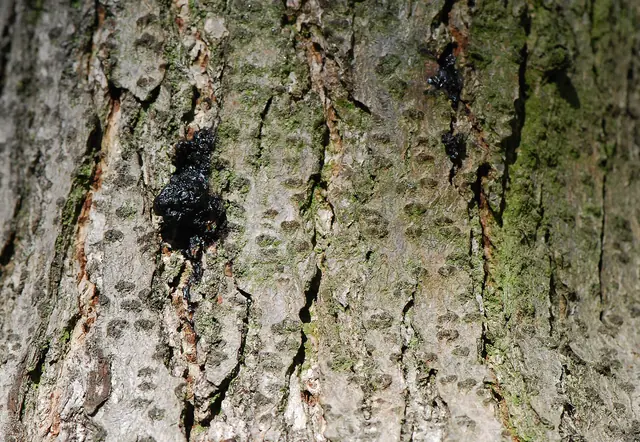
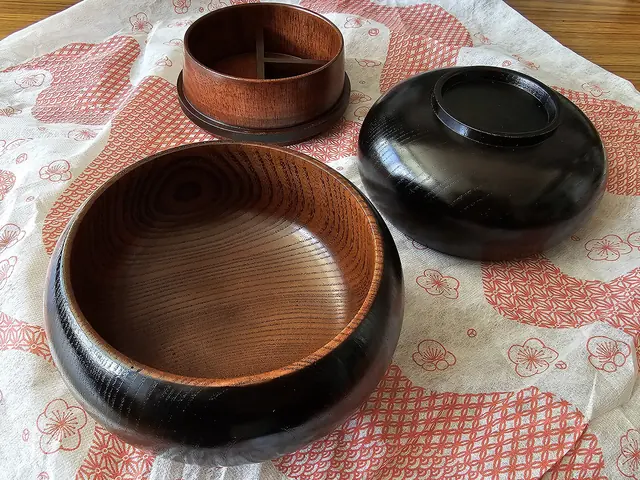
Japanese lacquerware is any object, most often a bowl, a tray or a box, whose surface has been built up from coat after coat of urushi. Urushi is the resin-rich sap that seeps from the lacquer tree, Toxicodendron vernicifluum, which the Japan Tourism Agency's multilingual guide to the Wajima Lacquer Museum calls the Japanese sumac. Painted on thinly and left to harden, the sap turns into a tough, glossy skin. The Japanese word for the finished ware is shikki, and the word for a lacquer coating or finish is nuri, which is why the regional styles carry it in their names: Wajima-nuri, Aizu-nuri, Echizen-nuri.
The core is usually wood. In the forests around Wajima, the same guide notes, the lacquer trees share the hills with cypress, zelkova and Japanese ash, timbers that last well and are still easy to carve or turn on a lathe. Japan's household-goods labelling rules also cover lacquered tableware with a plastic body, so not every shiny red bowl in a shop is wood underneath; the buying section further down explains how to tell from the label.
Words you will meet
- Urushi: sap tapped from the lacquer tree, and the lacquer refined from it.
- Shikki: lacquerware; on a Japanese label the word is kept for natural urushi alone.
- Nuri: a lacquer coating or finish, as in Wajima-nuri.
- Gosei shikki: synthetic lacquerware, coated with cashew resin or a man-made paint.
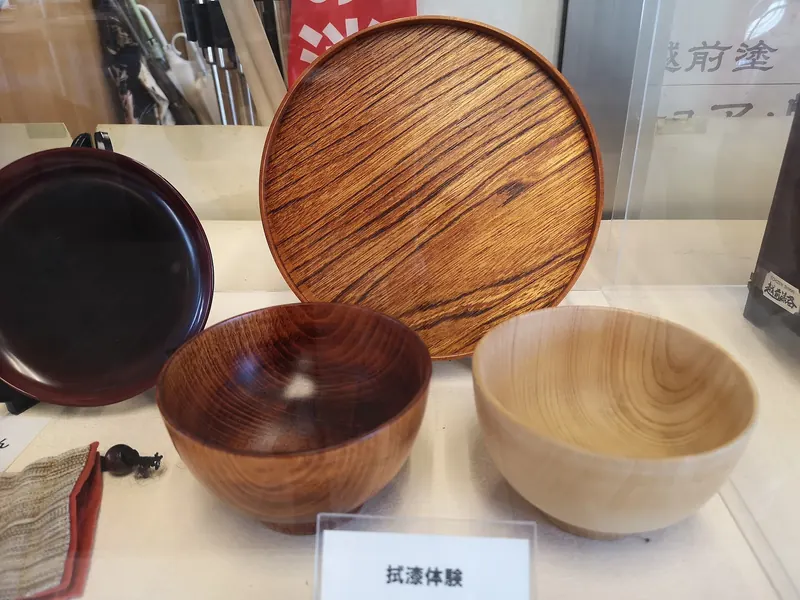
- Fuki-urushi: wiped lacquer, rubbed into bare wood so the grain still shows.
- Nushiya: the master lacquerer who runs a Wajima order from start to finish.
A craft older than the written record
Lacquer has a very long past in Japan. Lacquered pieces dug up at archaeological sites in Ishikawa suggest that the technique was already in use back in the Jomon era, roughly 14,000 to 300 BCE, according to the Wajima Lacquer Museum guide. An artist based in Wajima, writing in the government magazine Highlighting Japan in March 2025, says that visitors to her gallery are often surprised to learn that Japan's lacquer culture goes back more than 9,000 years.
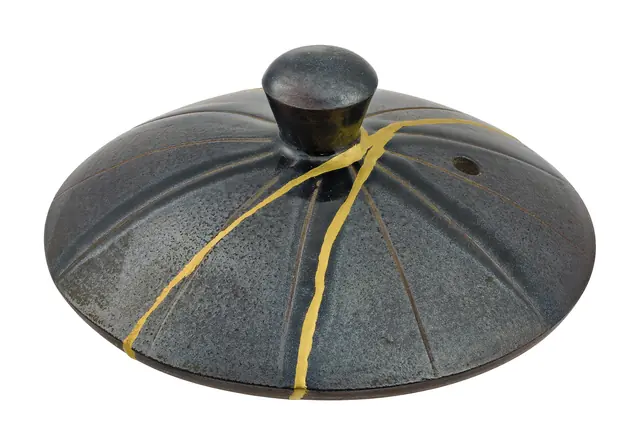
Lacquer is also the glue behind the gold seams of mended pottery, a craft covered on the kintsugi page.
Why urushi is so precious
A lacquer tree gives very little. JNTO's Kyoto article explains that the sap can be gathered only in small amounts, and only from trees that are 10 to 15 years old, so not a drop is wasted. The Highlighting Japan article puts the yield of a single mature tree at roughly 250 to 350 millilitres.
Most of the lacquer still tapped in Japan comes from one district. According to JNTO, Ninohe in Iwate, an area thick with lacquer trees, accounts for about 80% of the country's domestic lacquer.
Lacquer in numbers
- 9,000years and more of lacquer culture in Japan
- 10–15years, the age of a tree ready to be tapped
- 250–350millilitres of sap from one mature tree
- 80%of Japan's own lacquer comes from Ninohe, Iwate
What lacquer is good at, and how it is used
The Highlighting Japan article lists the qualities that keep people buying lacquer: it is light, it lasts, and it stands up well to water and decay, while being made entirely from natural materials. JNTO's Kyoto article adds that this resistance to water is why lacquer has long been used to keep wooden altars and ordinary tools from rotting.
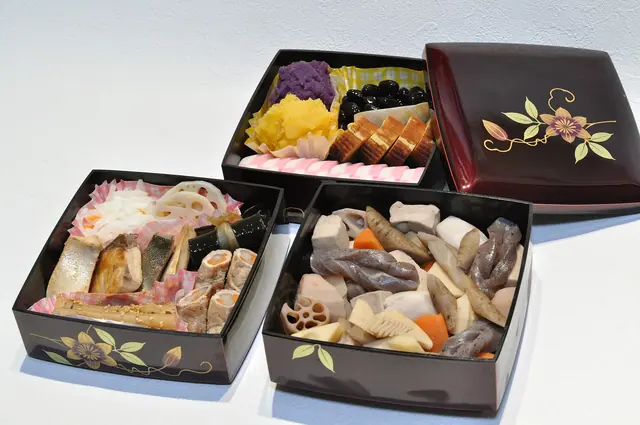
In Japanese homes lacquerware sits somewhere between treasure and tableware. A Taiwanese apprentice interviewed by JNTO in Wajima describes it as a present for weddings and births that is also used for everyday meals. Lacquered bowls and stacked food boxes come out on special days such as New Year; the festive food packed into those boxes, osechi, has its own section on the Japanese New Year page.
How a lacquered bowl is made, from bare wood to gold
Every lacquer town has its own habits, but the best-documented process is Wajima's. The Highlighting Japan magazine, in a January 2021 feature, splits the work into three stages: making the wooden core, coating it with lacquer, and adding the decoration. Each stage relies on skilled hand work, the whole job runs to more than a hundred separate steps, and a different artisan takes charge of each process. A single bowl, the feature says, can take longer than a year to finish.
The Japan Tourism Agency's database entry on the Wajima Lacquer Museum fills in the middle stage. What makes a Wajima piece so hard-wearing is jinoko, a diatomaceous earth found locally, which crumbles into a fine powder and is stirred into urushi to make a strong base coat. The lacquerers also glue cloth over weak spots, such as the thin rim of a bowl, and on top of that they may brush on as many as 30 layers of lacquer. Each layer is put on by hand and left for about 24 hours to dry in a room kept free of dust, so the coating alone takes several months.
From bare wood to a finished Wajima bowl
- Wooden base: a woodworker carves or turns the shape from local timber such as zelkova.
- Base coat: jinoko powder mixed into urushi builds a hard foundation.
- Reinforcing: cloth goes over fragile edges like the rim.
- Lacquer coats: up to 30 thin layers, each dried for about a day in a dust-free room.
- Decoration: a specialist adds gold or silver in maki-e or chinkin.
- Hand-over: the nushiya delivers the finished piece to the customer.
One order, many hands
Wajima's system of specialists is old. The museum guide explains that strong demand from Kyoto and Osaka made the industry grow fast, and that splitting the work into separate stages let the town turn out a large number of good pieces at fair prices. A whole community lived from it, from the people who worked in the forests to woodworkers, lacquer painters and decorators. Highlighting Japan dates this division of labour, and the move to producing high-grade ware in quantity, to the 18th century.
The system survives. The nushiya, the craftsperson who applies the lacquer, acts as a kind of project manager: talking with the client, commissioning the other artisans, and handing over the finished piece.
Maki-e, chinkin and raden: the three big decorations
Most of the sparkle on Japanese lacquer comes from three techniques. Highlighting Japan dates the arrival of chinkin in Wajima to the mid-Edo era (1603–1867) and of maki-e to the Meiji period (1868–1912), and says the gold and silver decoration helped make the town's sturdy everyday ware popular.
Three ways to decorate lacquer
- Maki-e: the design is drawn in wet lacquer, then gold, silver or another metal powder is sprinkled over it before it sets; the name means sprinkled pictures.
- Chinkin: the artisan cuts a pattern into the hardened lacquer with fine chisels, then fixes gold leaf or powder into the grooves.
- Raden: thin pieces of mother-of-pearl are set into the lacquer, so the shell's natural sheen shows through.
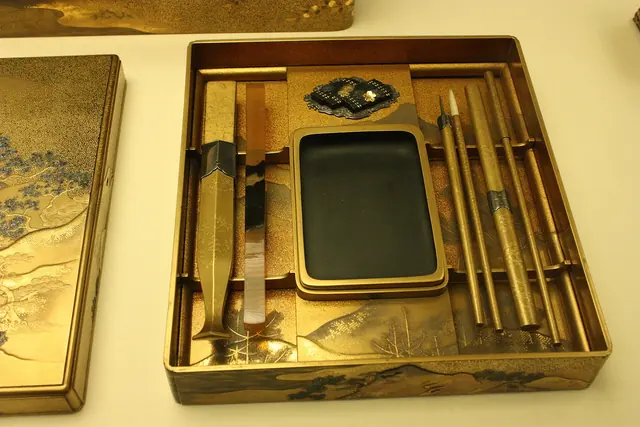
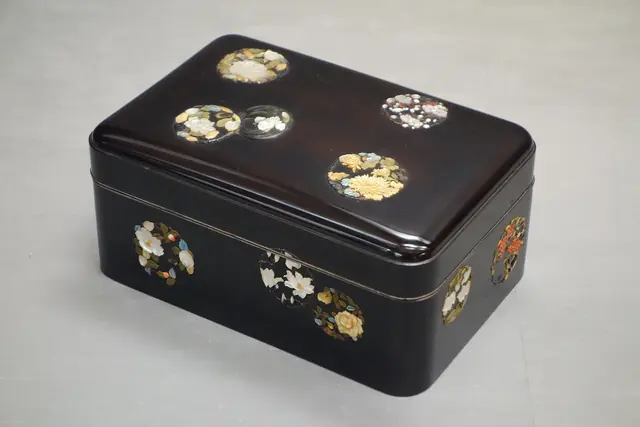
Not every piece is shiny black or red. Fuki-urushi, or wiped lacquer, is rubbed gently into the wood and polished so the grain stays visible; it is the technique behind the wiping workshop in Sabae and the hands-on part of Kyoto's lacquer tours. Old pieces show how far the gold work can go: the writing box pictured below dates from the second half of the 1800s, and the box inlaid with shell was made in 1892.
Where lacquerware is made: the main towns at a glance
Lacquer is made in many parts of Japan, but a handful of towns welcome visitors with workshops, halls and shops. The table sums up what each is known for and what you can do there; the sections after it give the details.
| Town | Prefecture | Known for | What visitors can do |
|---|---|---|---|
| Wajima | Ishikawa | Tough base coats, chinkin and maki-e | Rebuilding after the 2024 earthquake; see its ware in Kanazawa |
| Yamanaka | Ishikawa (Kaga) | Woodturning and visible wood grain | Turn your own bowl; shop at Yamanaka Urushi-za |
| Echizen | Fukui (Sabae) | Most of the tableware used by hotels and restaurants | Painting, chinkin and wiping workshops at Urushi no Sato Kaikan |
| Aizu-Wakamatsu | Fukushima | Bowls, trays and boxes with painted designs | Maki-e painting at several workshops |
| Joboji | Iwate (Ninohe) | About 80% of Japan's domestic lacquer | Watch artisans and polish a lacquer tag at Tekiseisha |
| Kyoto | Kyoto | A lacquer refiner working since 1909 | Wiped-lacquer experience on a guided tour |
Wajima-nuri and the 2024 earthquake
Wajima lies near the far end of Ishikawa's Noto Peninsula, facing the Sea of Japan. Highlighting Japan traces its lacquer to the 15th century; from the 17th century, when the town was a busy port of call for cargo ships, its ware travelled the shipping routes across Japan.
The town was hit hard in 2024. In the March 2025 issue of Highlighting Japan, a Wajima artist wrote: "Wajima Nuri is now facing a major crisis." The earthquake that struck the Noto Peninsula on 1 January 2024 devastated the town, and many lacquer artisans lost a great deal; her own workshop, home and tools were destroyed.
A review published by the Prime Minister's Office sets out the help that followed. The first temporary workshops for Wajima-nuri were finished in April 2024, with room for every artisan who wanted one, and across the disaster area 85 temporary workshop units were built and 345 grants were approved to support traditional crafts. Then, while recovery was still under way, heavy rain in September 2024 brought severe damage again, centred on Wajima City. The review notes that the position of each affected business is different.
Seeing Wajima-nuri in Kanazawa
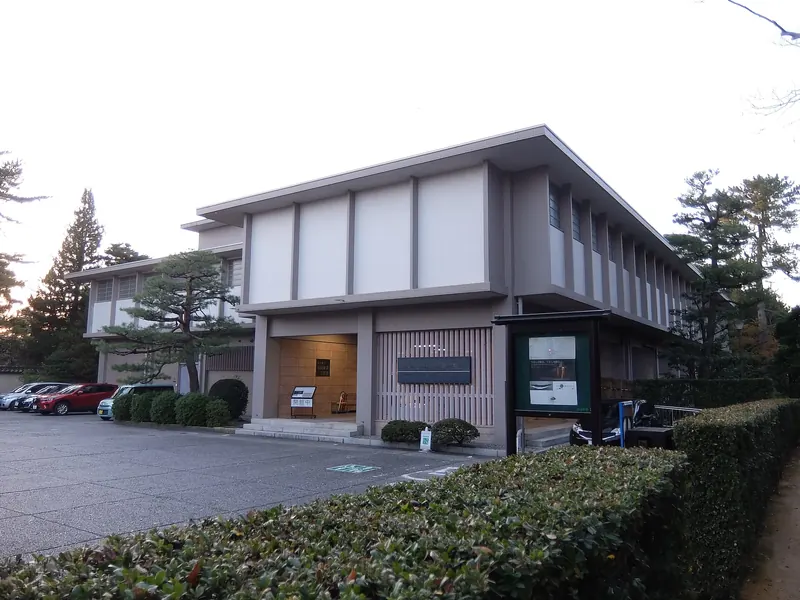
The easiest place to see Wajima-nuri is in Kanazawa, at the Ishikawa Prefectural Museum of Traditional Arts and Crafts, beside Kenrokuen garden. Visit Kanazawa says it presents 36 of Ishikawa's traditional crafts, among them Wajima-nuri lacquerware, Kutani porcelain and Kaga Yuzen silk dyeing, in permanent and special exhibitions. Its shop sells everyday things made by hand by local artisans, which makes it a good first stop if you want an Ishikawa lacquer piece without travelling to the Noto Peninsula. For Kutani and other porcelain, see Japanese pottery towns.
Aizu-nuri: maki-e workshops in Aizu-Wakamatsu
Aizu, the castle town region of western Fukushima, has been turning out fine wooden lacquerware for over 400 years. The Japan Tourism Agency's guide credits two lords with starting it: Ashina Morinobu (1408–1451), who encouraged the growing of lacquer trees, and Gamo Ujisato (1556–1595), who firmly established the industry by inviting skilled woodworkers to settle in Aizu. JNTO notes that the ware won a strong name abroad during the Edo period, when it was prized as a luxury.
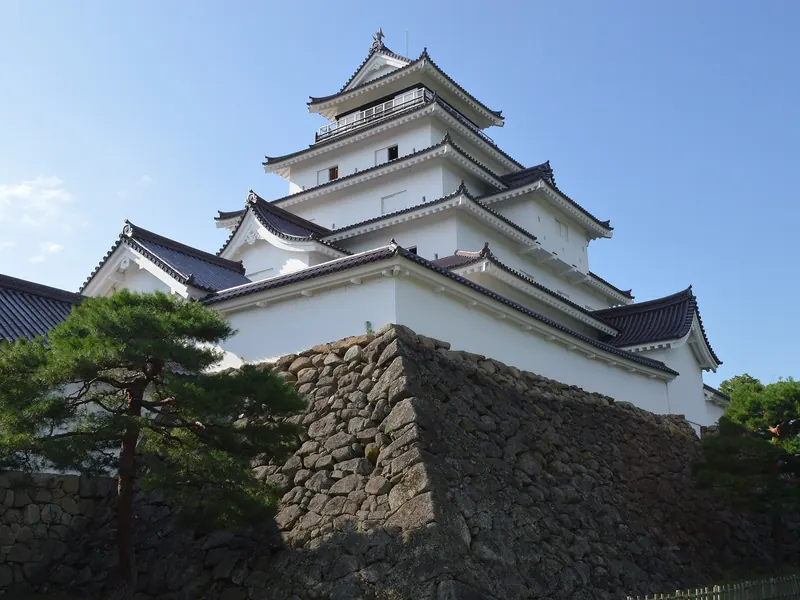
In 1975 Aizu lacquerware was designated one of Japan's traditional crafts. Its wooden bases fall into two broad groups: round ware like bowls, and flat ware like trays and boxes. After the layers of lacquer go on, the artisans finish with hand-drawn designs in coloured lacquer and gold or silver powder, often using pine, plum and bamboo. Some modern makers now lacquer fabric, metal and glass as well, to make accessories.
Painting a design of your own is the classic Aizu souvenir. Fukushima Travel lists five places that run maki-e painting sessions, four of them in Aizu-Wakamatsu itself. Opening hours, the objects you can choose and the prices vary by workshop, so compare before you book.
Maki-e workshops around Aizu-Wakamatsu
- Suzuzen: from 1,900 yen; a historic lacquer merchant in the city centre.
- Suzutake: from 1,000 yen; inside the lacquerware industrial estate; book ahead.
- Bansho: from 1,200 yen; hours are irregular in winter.
- Fukubun: from 1,600 yen; irregular hours; book ahead.
- Shitsugei Tsunoda, Urabandai: from 1,000 yen, or from 10,000 yen to paint with real lacquer; book ahead.
Suzuzen, a lacquer merchant since 1832
Suzuzen opened in 1832 as a lacquerware wholesaler, and today it fills six restored kura, the thick-walled storehouses of old Japanese merchants. One holds a gallery of contemporary artists who work in lacquer, another a café that serves lunch, and English signs tell the story of lacquer in Aizu. In the workshop you can watch pieces being finished in maki-e and then decorate one of your own to take home.
Suzutake, a working lacquer factory
Suzutake began showing families round its workshop in the 1950s, and it still lets visitors look in on three key stages of Aizu work: the first coating on the bare wood, using raw lacquer or an astringent liquid, the extra layers of lacquer in the chosen style, and the fine maki-e designs in coloured lacquer or gold and silver powder. Walking round is free. The painting session has a strict rule: "Experience must be booked in advance." Sessions run between 9:30 and 13:30 and the painting itself takes around 40 minutes.
JNTO's page on the studio says you can decorate bowls, hand mirrors, boxes or trays, and take whatever you make home with you. It also notes that the studio's own website is only in Japanese, so a Japanese speaker may need to make the reservation for you. Suzutake stands on the Aizu lacquer industrial estate in Monden-machi, about 10 minutes' walk from Minami-Wakamatsu Station on the JR Tadami Line or 20 minutes by taxi from Aizu-Wakamatsu Station. Workshop hours are 9:00 to 15:00, with irregular closing days.
Painted candles from the lacquer tree
The lacquer tree gives Aizu a second craft. E-rosoku, hand-painted candles, are made from Japan wax obtained from lacquer-tree seeds, the Japan Tourism Agency explains, and in February thousands of them are lit across the city for the Aizu Painted Candle Festival. Outside the festival you can watch candles being made and paint one yourself at a workshop. The agency suggests asking the Aizu-Wakamatsu City Tourism Bureau about availability and costs before you go.
Echizen and Yamanaka: lacquer towns of Fukui and Kaga
Two more lacquer towns lie on the Hokuriku coast, within reach of Kanazawa and the Hokuriku Shinkansen. Echizen, in Fukui, makes much of the lacquered tableware that hotels and restaurants use; Yamanaka Onsen, a spa town in Kaga City, is known for turning wood on the lathe.
Echizen lacquerware in Sabae
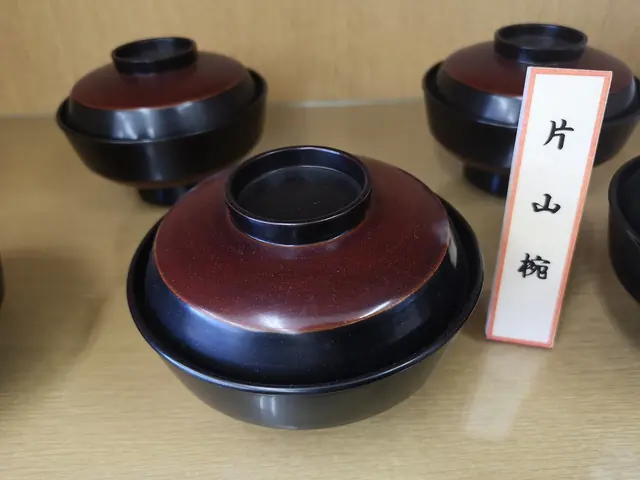
Echizen lacquer claims a history of some 1,500 years and is a designated traditional craft of Japan. Fukui's official travel guide puts its share of the professional tableware used by hotels and restaurants at 80%.
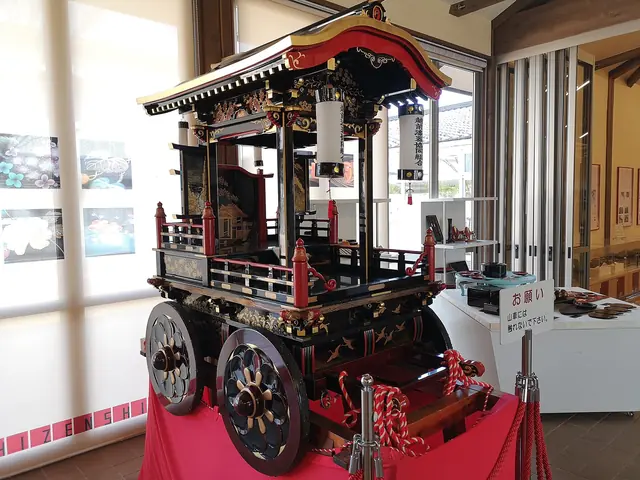
The centre for visitors is Urushi no Sato Kaikan in Sabae, which shares its address with the Echizen Lacquerware Hall. Here you can see exhibits on the history of lacquer and how it is made, watch artisans give demonstrations in the craftsman's workshop next door, and shop. The store displays more than 1,000 products, sold for much less than they cost once they have been sent out to shops around Japan, and it offers tax-free shopping. Do not miss the Echizen-nuri mountain floats, festival floats that pack many of the region's lacquer techniques into one piece.
Echizen artisans lead three hands-on sessions: painting, chinkin gold inlay and wiped lacquer. Reserve at least two or three days ahead. Note one condition when you plan: "Each experience requires a minimum of 2 participants."
JNTO also features a three-hour workshop run by a local association, in which you make a lacquered spoon of your own. It moves on foot from the Hacoa woodworking factory to the lacquer studio Shitsurindo, where tools and lacquer are kept in a room normally closed to the public.
From Tokyo, JNTO's route is the Hokuriku Shinkansen to Fukui (three hours), a 15-minute Hapi-Line Fukui ride on to Sabae and a bus to Urushi no Sato Kaikan, which it times at 30 minutes; Fukui's guide gives about 25 minutes for the community bus. From Kyoto, take the Thunderbird to Tsuruga (one hour) and change to the Hapi-Line Fukui.
Making an Echizen lacquer spoon
- Hacoa factory: watch the woodworkers, then shape and polish your spoon.
- Short walk: carry the spoon to the Shitsurindo lacquer studio.
- Lacquering: learn the traditional process and colour the spoon.
- Shipping: the lacquer needs days to dry, so the spoon is posted to you; abroad it can take as long as two months.
Yamanaka lacquerware near Kaga
Woodturning has set Yamanaka lacquer apart from its earliest days, and the craft has been handed down for more than 400 years around Kaga City. Yamanaka Urushi-za combines a museum, a gallery and a shop. The exhibits explain what makes Yamanaka ware different, show how it is made and display work by well-known artisans. On sale you will find everything from pieces that bring out the beauty of the grain to tea utensils decorated in gold and silver and modern ware for daily use. Bowls are what Yamanaka is most famous for, but the shop also has dishes and cups of different sizes and prices.
Next door is the Ishikawa Prefectural Institute for Yamanaka lacquerware, which the Japan Tourism Agency describes as the only training school in Japan dedicated to woodturning. Visitors can look into the workshop, where trainees turn wood alongside masters.
Visiting Yamanaka Urushi-za
- Hours: weekdays 9:00–16:00, weekends and holidays 9:30–16:30; closed Wednesdays (open if it is a holiday) and 29 December to 3 January.
- Getting there: 30 minutes by bus from JR Kaga Onsen Station to Yamanaka Onsen Bus Terminal, then a 10-minute walk.
A short drive, about five minutes, out of Yamanaka Onsen, Rokuro-no-Sato Arts and Crafts Hall, set in an old Japanese house, lets you turn a bowl yourself. The session takes about 15 minutes, a soup bowl costs from 3,000 yen, and the finished bowl is sent to your home.
Visiting Rokuro-no-Sato
- Hours: 9:00–17:00; closed on Wednesdays and on national holidays.
- Getting there: a 5-minute drive from central Yamanaka Onsen, or a 35-minute walk from the bus terminal.
Joboji lacquer in Iwate and urushi tours in Kyoto
Joboji lacquer at Tekiseisha, Ninohe
Lacquer trees grow thickly around Ninohe, in Iwate, and JNTO credits the city with about 80% of Japan's domestic lacquer harvest. Joboji lacquer traces its roots to the Heian era (794–1185). Changing lifestyles and cheaper imported lacquer later brought a long decline, but local people revived the craft, and in 2020 Japan Heritage recognition followed, under the name Joboji Lacquerware and the Appi River Basin.
Tekiseisha, in Ninohe City, sits at the centre of that revival, displaying and selling lacquerware and other crafts coated in Joboji lacquer. Pieces in the showroom can be picked up and handled, and the workshop lets you watch the artisans lay on coat after coat. In a guided session you polish a small lacquered tag while learning how the material behaves, and the finished tag, fitted with a strap, is yours to keep.
Urushi Tours in Kyoto
In Kyoto, the family-run lacquer refiner Tsutsumi Asakichi Urushi-ten, founded in 1909, offers guided Urushi Tours, which JNTO has featured. Its remodelled flagship store opened in 2024. Raw sap is refined on the first floor, while young artisans two floors up lay coat after coat of lacquer onto materials for things as different as floorboards and speaker cabinets.
The tour does not start at the workshop. Its first stop is Bukkoji, a neighbourhood temple founded in 1212, where you hear how lacquer has protected both sacred objects and ordinary ones over the centuries. Lunch is at a café in the temple grounds, with some of the food served in lacquered bowls. At the refiner you learn about the sap and then try fuki-urushi, gently polishing lacquer into wood.
Two versions of the Urushi Tour
- Basic Tour, 2.5 hours: Bukkoji Temple, a café lunch and the lacquer workshop, with the wiping experience.
- Full Course, 5 hours: the Basic Tour with two extra experiences added, one of them a soak at a Kyoto public bathhouse whose bath buckets are lacquered.
Lacquer has a place in the tea ceremony as well: the range at Yamanaka Urushi-za, for one, runs to tea utensils decorated in gold and silver lacquer.
Buying lacquerware: real urushi, labels and care
Lacquerware in Japanese shops runs from hand-made pieces finished in natural urushi to factory bowls coated in synthetic paint on a plastic body. Both have their uses, and the label tells you which one you are holding.
Reading the label: real urushi or synthetic?
Lacquered tableware sold in Japan falls under the Household Goods Quality Labelling Act, and the Consumer Affairs Agency's guide sets out what the label must say. The rules apply to bowls, trays and other kitchen and table items with a wooden or synthetic-resin body. Only a piece whose entire surface coating is natural urushi may be called 漆器, shikki. Pieces finished with cashew resin or a synthetic paint have to use a name such as 合成漆器, gosei shikki, and a piece that mixes urushi with a synthetic coating on its surface cannot be labelled 漆器 at all.
The label also names the surface coating and the material of the body. A wooden body is written as 天然木, natural wood, and the kind of wood may follow, for example hinoki, keyaki or sakura. A plastic body is named by its resin, and where wood powder is mixed into resin, the label gives the percentage of wood by weight.
| On the label | What it tells you |
|---|---|
| 漆器 | Every surface coat is natural urushi |
| 合成漆器 | Coated with cashew resin or a synthetic paint |
| 漆塗装 | The coating is urushi |
| カシュー塗装 | The coating is cashew resin |
| ウレタン塗装 | The coating is urethane resin |
| 天然木 | The body is natural wood |
Where to buy lacquerware in Japan
The surest places are in the lacquer towns themselves, where makers and wholesalers sell their own work. In Sabae, the Echizen Lacquerware Hall described above is set up for tax-free sales; the rules are on the tax-free shopping page. In Kanazawa, the shop of the Ishikawa Prefectural Museum of Traditional Arts and Crafts carries handmade everyday items by local artisans.
In Tokyo, head for Kappabashi, the kitchenware street between Ueno and Asakusa. GO TOKYO counts around 160 shops there, and lacquerware is part of the stock alongside knives and other kitchen goods; most shops will sell to anyone, not only to the trade. The nearest stop is Tawaramachi Station on the Ginza Line, about five minutes away on foot, and more on the street is on the Japanese pottery towns page. For lighter gifts to take home, see Japanese souvenirs.
Where lacquer is sold
- Production halls: the Echizen Lacquerware Hall in Sabae, Yamanaka Urushi-za near Kaga and Tekiseisha in Ninohe.
- Old merchants: Suzuzen in Aizu-Wakamatsu, trading since 1832.
- City shopping: the Kanazawa crafts museum shop, and the kitchenware shops of Kappabashi in Tokyo.
Caring for lacquerware at home
Lacquerware is easy to live with if you follow a few rules. The Consumer Affairs Agency's guide lists the care notes it expects on labels, and they match the advice of the Wajima apprentice who spoke to JNTO: you do not need to be nervous about using lacquer, but heat, harsh scrubbing and strong light are its enemies. Sunlight, he explains, does the damage through ultraviolet light, and the labelling guide warns that it can fade the colour or warp the piece.
Looking after lacquerware
- Wash it after use with water or warm water, then wipe it dry with a soft cloth.
- Store it out of direct sunlight.
- Do not scrub it with a scouring pad or polishing powder.
- Strongly acidic food such as vinegar or lemon can spoil the surface and dull the shine.
- Keep it out of the microwave and the dishwasher.
- The refrigerator is fine.
A damaged piece is not necessarily finished. The apprentice adds that an artisan can sometimes mend cracks and breaks, letting a favourite bowl last a lifetime.
Frequently asked questions
What is Japanese lacquerware made of?
Traditionally, of wood coated in many thin layers of urushi, the natural sap of the lacquer tree, which hardens into a tough, glossy surface. In Wajima the base coat is strengthened with jinoko, a powdered diatomaceous earth, and cloth is laid over fragile rims. Gold, silver or mother-of-pearl may be added as decoration. Some modern tableware sold as lacquerware has a plastic body or a synthetic coating instead.
What is Japanese lacquerware called in Japanese?
Lacquerware is shikki, and the lacquer itself is urushi. A lacquer finish is nuri, so regional styles are named after their towns, such as Wajima-nuri or Aizu-nuri. On a shop label, shikki may be used only when every surface coat is natural urushi; synthetic ware is labelled gosei shikki.
How is Japanese lacquerware made?
A woodworker shapes the base, lacquerers build up the coats, and decorators finish the surface. In Wajima the work runs to over a hundred steps: a base coat of urushi mixed with jinoko, cloth over the rims, then as many as 30 coats of lacquer, each dried for about a day in a dust-free room. Decoration in maki-e or chinkin comes last, and one bowl can take several months to more than a year.
How do you clean and care for Japanese lacquerware?
Wash it by hand with water or warm water after use and wipe it dry with a soft cloth. Do not use scouring pads or polishing powder, keep strongly acidic food such as vinegar and lemon out of it, and keep it out of direct sunlight when stored, since light can fade or warp it. It can go in the refrigerator.
Is Japanese lacquerware dishwasher safe?
No. Both the Consumer Affairs Agency's care notes for lacquered tableware and the Wajima apprentice interviewed by JNTO say lacquerware should not go in the dishwasher or the microwave. Wash it by hand instead.
Is Japanese lacquerware plastic?
Some of it is. Japan's labelling rules cover lacquered tableware with either a wooden or a synthetic-resin body, and with either natural urushi or a synthetic coating. Look for the word for natural wood, tennen-boku, and an urushi coating on the label; pieces coated with cashew resin or synthetic paint are labelled gosei shikki.
Where can I try making lacquerware in Japan?
In Aizu-Wakamatsu, several workshops including Suzuzen and Suzutake run maki-e painting sessions from 1,000 yen. In Sabae, Urushi no Sato Kaikan teaches painting, chinkin and wiped lacquer from 2,200 yen for groups of two or more. Near Yamanaka Onsen you can turn your own bowl, and in Ninohe and Kyoto you can polish lacquer by hand.
Where can I buy Japanese lacquerware?
Best of all in the lacquer towns: the Echizen Lacquerware Hall in Sabae, Yamanaka Urushi-za near Kaga, Suzuzen in Aizu-Wakamatsu and Tekiseisha in Ninohe. In Kanazawa, the crafts museum shop sells handmade pieces, and in Tokyo the kitchenware shops of Kappabashi stock lacquerware.
Sources
Official and primary sources used for this page. Checked November 25, 2026.
- Highlighting Japan (Government of Japan): Wajima-nuri, January 2021 — origins, shipping routes, three stages and over a hundred steps, chinkin and makie
- Highlighting Japan (Government of Japan): Wajima Nuri, March 2025 — 9,000 years of lacquer culture, sap per tree, the 2024 earthquake
- Prime Minister's Office of Japan: Support for small businesses after the Noto Peninsula Earthquake (PDF, in Japanese) — temporary workshops for Wajima-nuri, grants, the September 2024 rain
- Japan Tourism Agency: Wajima Lacquer Museum — the lacquer tree, local timber, Jomon finds, jinoko, 30 coats, the nushiya
- JNTO: Lacquerware seen through the eyes of a Taiwanese apprentice in Wajima — uses of lacquerware, maki-e, raden, the final coat, care and repair
Show all 22 sources
- Consumer Affairs Agency: Labelling of lacquer- and cashew-coated tableware (in Japanese) — the name shikki, coating and body terms, care notes on the label
- Japan Tourism Agency: Aizu Lacquerware — Ashina Morinobu, Gamo Ujisato, the 1975 designation, round and flat pieces
- Japan Tourism Agency: Hands-on Workshops in Aizu-Wakamatsu — painted candles from lacquer-tree wax and the candle festival
- Fukushima Travel: Aizu Urushi Lacquerware — the five maki-e workshops and their starting prices
- Fukushima Travel: Makie Painting Lacquerware Experience at Suzuzen — history, the six kura, hours, price and access
- Fukushima Travel: Makie Painting at Suzutake Workshop — workshop tours, booking, times, access and the chinkin studio
- JNTO: Suzutake Lacquerware Studio — objects to paint, booking in Japanese, Aizu lacquer in the Edo period
- Discover Fukui: Urushi no Sato Kaikan — Echizen lacquer's market share, sessions, fees, hours and access
- Discover Fukui: Echizen Lacquerware Hall — 1,500 years of history, the shop, demonstrations, tax-free sales
- JNTO: Making an Original Echizen Lacquerware Spoon — the spoon workshop, shipping and routes from Tokyo and Kyoto
- Visit Kaga: Yamanaka Urushi-za — Yamanaka's woodturning, the range on sale, hours and access
- Japan Tourism Agency: Yamanaka Urushi-za — the museum and shop, and the woodturning school next door
- Visit Kaga: Rokuro-no-Sato Arts and Crafts Hall — turning your own bowl, price, hours and access
- Visit Kanazawa: Ishikawa Prefectural Museum of Traditional Arts and Crafts — the 36 crafts, the shop, hours, fees and buses
- JNTO: Joboji Lacquerware Showroom and Workshop — Ninohe's share of Japan's lacquer, history, Tekiseisha and access
- JNTO: Enjoy Kyoto Like a Kyotoite: Urushi Tours — the name japan, sap from young trees, the refiner and the two tours
- GO TOKYO: Kappabashi Kitchenware Town — the number of shops, lacquerware on sale and access
Related guides
To cite or link to this page: Japanese lacquerware: what urushi is, how a bowl is made, the lacquer towns of Wajima, Aizu, Echizen and Yamanaka, workshops to try, and how to buy and care for it — Japan Pocket Guide, https://japanpocketguide.com/culture/japanese-lacquerware/