Culture · Washi
Washi paper in Japan: what it is made of, how a sheet is formed, the papers on the UNESCO list, papermaking workshops in Mino, Echizen, Ogawa and Tokyo, and where to buy washi
Washi is paper made by hand the Japanese way, from the inner bark of shrubs rather than from wood pulp, and in a few old papermaking towns you can still watch sheets being lifted from the vat one at a time. Below you will find what it is made of, how a sheet forms on a bamboo screen, which papers UNESCO lists, workshops in Mino, Echizen, Ogawa and central Tokyo with their prices and closing days, and where to buy washi to take home.
Last checked · Sources

In short
Washi is Japanese paper made from the bark fibres of kozo (paper mulberry), mitsumata or gampi, formed sheet by sheet on a bamboo screen. To make some yourself, try the Mino Washi Paper Museum in Gifu, Papyrus House in Echizen, Fukui, or Michi-no-eki Ogawamachi in Saitama, where individuals need no booking. In Tokyo, Ozu Washi in Nihombashi runs a workshop from 1,000 yen for an A4 sheet and sells hand-made paper from all over Japan.
What washi paper is
Washi simply means "Japanese paper". The national tourism agency's history of Mino paper explains how the name came about: the first papermaking method to reach Japan worked with hemp, which is hard to beat down into fibre, so makers turned to shrubs that grew close at hand. Paper made from them, above all from kozo, mitsumata and gampi, became known as washi.
The three fibres in washi
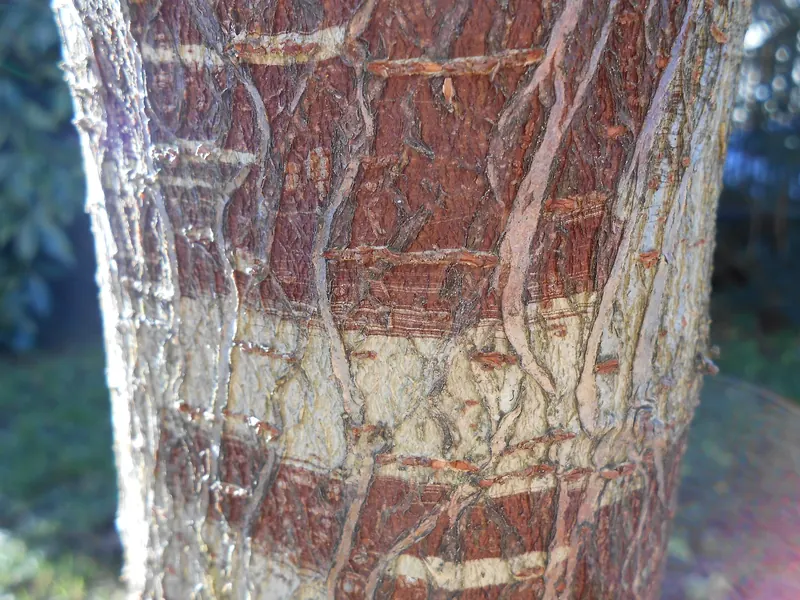
- Kozo: the paper mulberry. Its long inner-bark fibres are the base of the papers on the UNESCO list, and the only fibre allowed in Hon-minoshi and in Ogawa's Hosokawa-shi.
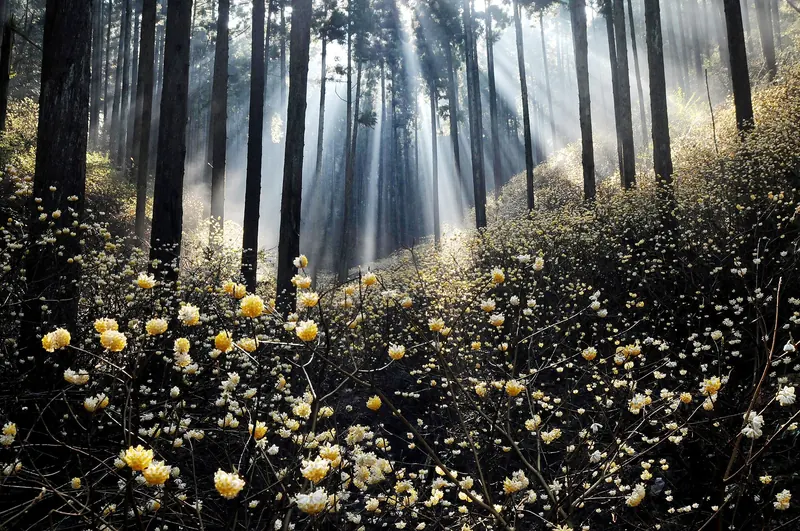
- Mitsumata: Edgeworthia chrysantha, a shrub that Mino's papermakers may use alongside kozo in the hand-made paper sold under the town's name.
- Gampi: shrubs of the genus Wikstroemia. In Echizen a preservation association now grows its own gampi for a fine paper called torinoko.
JNTO's guide to Japanese stationery sums up what people value in the result: strength and a texture you can feel, which is why washi has served for writing and for art for so long.
Washi, rice paper and mulberry paper
Washi is not made from rice. UNESCO's description of the craft starts from paper mulberry fibre, and Mino's papermakers add mitsumata and gampi to the list. When a shop outside Japan sells a sheet as mulberry paper, it is naming kozo, the plant behind the UNESCO-listed papers; the label tells you the fibre, not whether the sheet was formed by hand.
What washi is used for
Writing came first. UNESCO lists letters, books and documents, and JNTO describes a workshop tradition in Yoshino, Nara Prefecture, about 1,300 years old, where kozo grown locally and the river's own water give a smooth, tough paper that calligraphers and art restorers seek out. If you want to put a brush to it yourself, the page on Japanese calligraphy covers classes.
Where washi turns up
- Writing: letters, books and official records, including the sutras copied out by hand in the Nara period.
- Rooms: shoji, sliding doors and partitions between rooms, the uses UNESCO singles out for the home.
- Light: lanterns of every size; in the Edo period, Mino paper covered Gifu's lanterns as well as its shoji.
- Repair: restoration work, which with traditional crafts is now the main market for Mino washi.
- New ideas: yarn spun from washi and the cones of audio speakers, both shown at the Mino museum.
Thirteen centuries of paper
The oldest paper known to survive in Japan is a family register from Mino, in today's Gifu Prefecture, dated 702 and now kept in the Shosoin treasure house in Nara. According to the Nihon shoki, a chronicle finished in 720, a Buddhist monk from Korea brought the Chinese method to Japan in 610, although it may have come in earlier, when Buddhism itself reached Japan during the 500s.
For farmers, papermaking was profitable work for the cold months, and in time it became one of the main trades of the countryside. Sheets of paper were handed over as tax, as rice and salt were. From the fourteenth century the Toki family, who ruled the Mino area, held a paper market at Oyada six times a month, and merchants carried the stock on to Kyoto and Osaka. Mino paper is also said to have formed the tassel on the command baton, the saihai, that Tokugawa Ieyasu raised at Sekigahara in 1600, after which it became the shogunate's official paper.
Washi in three numbers
- 702the date on Japan's oldest surviving paper, a Mino family register
- 610the year the Nihon shoki gives for papermaking reaching Japan
- 1,300years of papermaking, the figure given in Mino, Ogawa and Yoshino alike
The trade shrank after the Second World War, when machine printing and Western-style paper from wood pulp took over and fewer homes bought lanterns or new shoji. Mino went from thousands of papermakers at the end of the 1800s to only a handful who still use the old methods.
How a sheet of washi is made
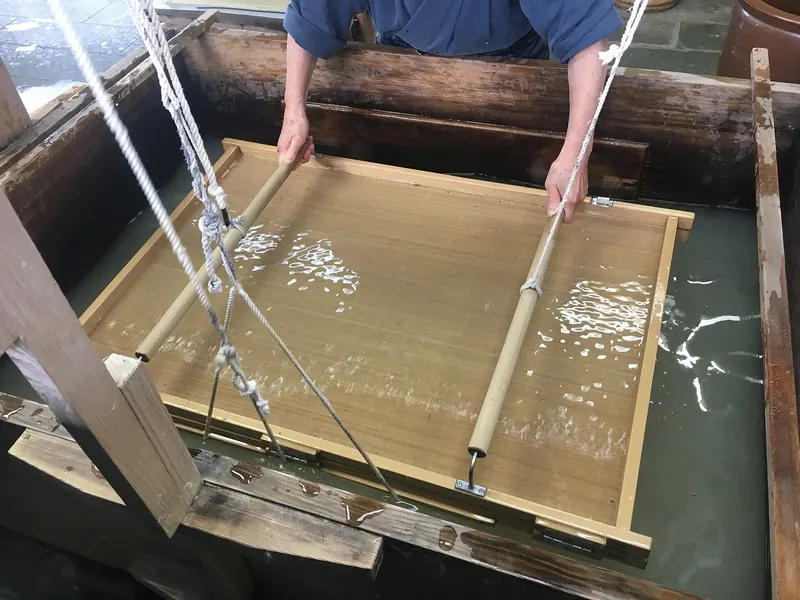
The technique is broadly the same across Japan and is called nagashizuki. Plant fibres, water and a sticky dispersant are stirred into a thin slurry, which the maker scoops onto a fine bamboo screen clamped in a wooden frame. In Mino the dispersant is called nebeshi; in Gokayama, in the mountains of Toyama, papermakers use neri made from the tororo-aoi plant.
Nagashizuki, step by step
- Prepare the fibres: the bark is separated into fibres, and UNESCO describes them soaking in clear river water before the slurry is mixed.
- Keshomizu: a quick, shallow scoop, tipped off straight away, which leaves a thin layer of fibres lying one way and gives the sheet a smooth face.
- Tateyuri and yokoyuri: deeper scoops, rocked to and fro so the long kozo fibres knit together in several directions, repeated until the sheet reaches the thickness wanted.
- Haraimizu: one last quick scoop and toss that lines the fibres up again on the outer face.
- Press and dry: each wet sheet goes onto a pile, the pile spends a night under a press to force the water out, and the sheets are then separated and laid on boards to dry in sunlight.
Why Mino paper is hard to tear
Elsewhere the frame usually moves only back and forth, towards the maker's body and away again. Papermakers in Mino rock it from side to side as well, and that second direction of movement makes a sheet that resists tearing. Ozu Washi's studio in Tokyo teaches the same two-way shake, using a traditional tool called the sugeta.
Cold water and winter work
Ogawa's town office puts it plainly: the harder the cold and the icier the water, the better the paper. Makers there once sang papermaking songs through long days at the vat, songs that are seldom heard now. In Echizen, craftsmen at the Udatsu museum still work with their hands in freezing water, and in Gokayama the paper was made during winter inside the steep-roofed gassho-zukuri farmhouses.
The washi papers on the UNESCO list
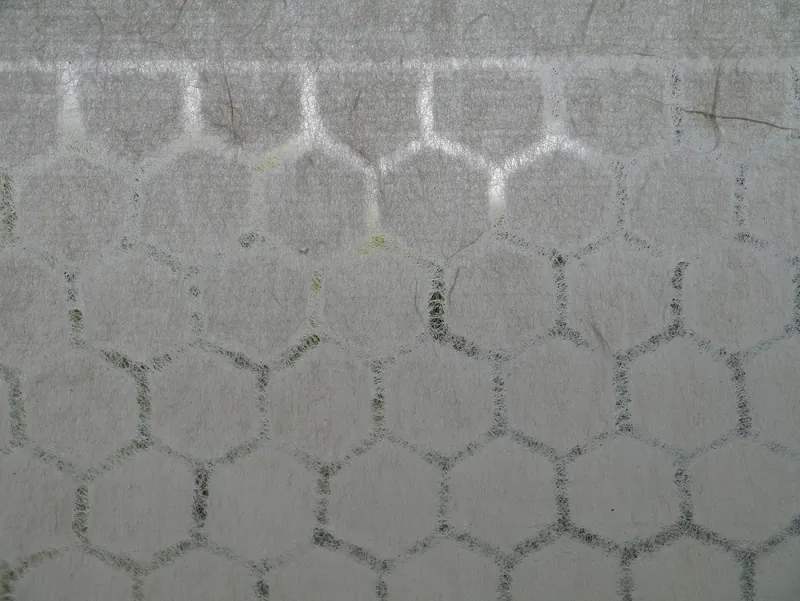
UNESCO first listed a single paper, Sekishu-banshi from Shimane, in 2009. At its ninth session, held in Paris in 2014, the committee replaced that entry with a wider one covering three papermaking communities, under the official title "Washi, craftsmanship of traditional Japanese hand-made paper". Japan had already named all three papers Important Intangible Cultural Properties under its own law.
The papers behind the listing
- Sekishu-banshi: made in Misumi-cho, part of Hamada City in Shimane Prefecture; listed on its own in 2009 before joining the wider entry.
- Hon-minoshi: made in Mino City, Gifu Prefecture, from Daigo kozo alone and dried only in the sun.
- Hosokawa-shi: made in Ogawa Town and the neighbouring village of Higashi-chichibu in Saitama Prefecture, again from kozo only.
- Echizen torinoko gampi paper: made in Echizen, Fukui Prefecture; its preservation association came in with the 2025 extension.
In December 2025, at its twentieth session in New Delhi, the committee accepted Japan's request to extend the listing to newly joining communities, and the new entry, No. 02291, took the place of the 2014 one. The Echizen torinoko association is drawing up plans for training seminars, research into raw materials, growing its own gampi, buying the tools the craft needs, and public demonstrations and exhibitions.
UNESCO describes most people in the papermaking communities as having some part in the work, from growing and cutting the mulberry to designing new washi products to sell in Japan and abroad.
Mino: washi workshops in Gifu
Mino City has two places to aim for. The Mino Washi Paper Museum sits in the hills outside town, a bus ride from the station, and has the workshops. The old merchant quarter in the centre, the Udatsu district, has the Akari Art Museum and, every October, its lantern festival.
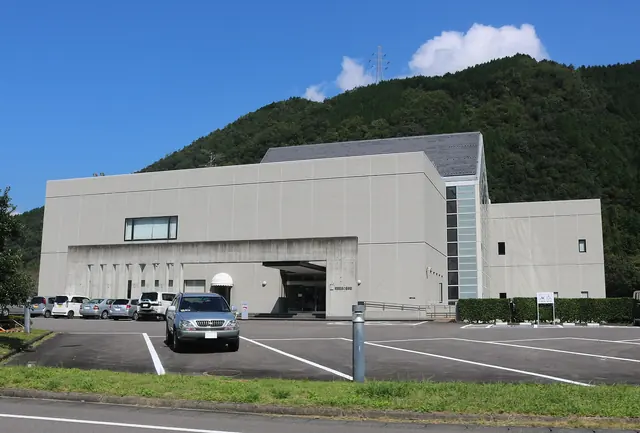
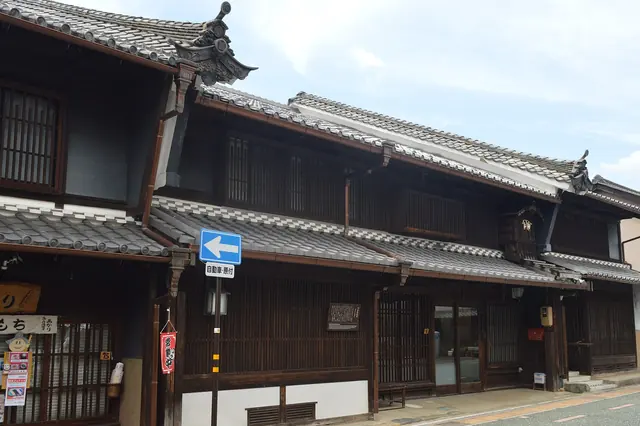
Mino Washi Paper Museum
The museum tells the story of Mino paper through tools and raw materials, detailed dioramas and video, and many of its displays carry English signs. A replica of the 702 register shows the oldest known Mino sheet, another replica shows Ieyasu's lacquered saihai baton, and a big model of the whole archipelago holds lanterns made from the paper of each region, so you can compare styles and fibres side by side. Other rooms follow Mino paper from Edo-period lanterns and shoji to washi yarn and speaker cones, and exhibitions bring in work from artists overseas who use washi. There is a shop selling Mino paper goods and a café.
The three papermaking workshops
Each workshop lasts less than an hour and runs several times a day, using the materials and tools a working papermaker would. Staff begin by demonstrating, then clip a bamboo screen into its wooden frame and hand it over.
What you can make at the museum
- Mino-ban: the basic sheet. You scoop a slurry of beaten kozo and nebeshi, rocking the frame both ways, and can add dried leaves or coloured paper shapes; a full 33 × 45 cm sheet takes about 20 minutes, then around 5 minutes on a metal heater.
- Rakusui-shi: the same steps, then water sprayed through paper cut-outs or a patterned metal screen thins the wet sheet wherever it lands, leaving a pattern like a reverse watermark. Allow about 30 minutes, plus 5 to dry.
- Hagaki: six postcards formed in a frame divided into card-sized spaces. The pulp is drained fast so the cards come out thick, and decorations are sealed in under a ladle of extra pulp; about 40 minutes, then 15 to dry.
For anyone thinking of papermaking as a career, the museum also runs one-day workshops and month-long courses, and many of Mino's professional makers started with that month. Both require Japanese.
The Udatsu district and Akari lanterns
The Mino Washi Akari Art Museum occupies the former Minomachi Industrial Hall, a two-storey timber building from 1941 that is the largest Showa-period wooden structure left in Mino and a Registered Tangible Cultural Property. Upstairs, dozens of lanterns glow in front of a huge photograph of the merchant houses at night; downstairs are lanterns made by local schoolchildren. The shop sells fans, cards and lanterns, as well as kits for building a washi lamp at home.
Mino's lantern festival
- When: every October, on the Saturday and Sunday before Sports Day, which falls on the second Monday of the month.
- Where: the Udatsu district, where Edo-period merchant houses stand without power lines or modern street lights, and many shops open late.
- What: around 400 works of akari art lighting the town; selected pieces go on show at the Akari Art Museum all year.
The festival started in 1994 to show off what Mino paper could do and to bring visitors to the town. Gifu has long been a centre for paper lanterns, the Gifu chochin, and in recent years those lanterns have become a medium for sculpture as much as a light to see by.
Getting to Mino by train
- Gifu Station: ride the JR Takayama Line as far as Mino-Ota.
- Mino-Ota: change to the Nagaragawa Railway.
- Minoshi Station: the whole trip is just over an hour; the Udatsu district is in town, and the paper museum is a bus ride further on.
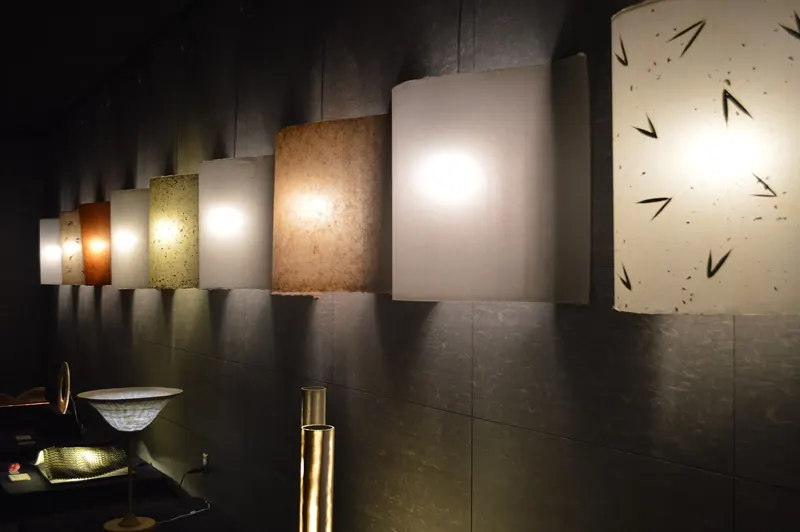
Echizen Washi Village in Fukui
Echizen tells its own origin story. Some 1,500 years ago, the legend goes, a beautiful princess appeared beside the Okamoto River near the village and taught the people how to make paper. In the Nara period its paper went into copies of Buddhist sutras; between the Muromachi and Edo periods the methods improved and output grew, giving fine sheets like Echizen hosho, and both the shogunate and the local lords supported the trade. The painter Yokoyama Taikan was among the artists who worked with Echizen makers.
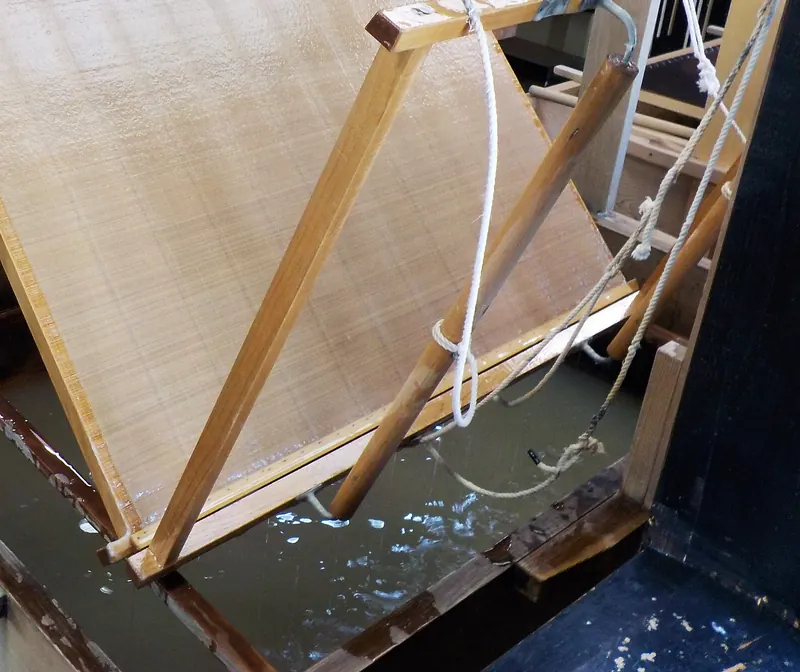
Today the papermaking district of Imadate, known as Echizen Washi Village, has three places to visit.
Three stops in the village
- Paper & Culture Museum: panels and objects on Echizen paper's history and making, documents on its dealings with Japanese-style painters, and a second building full of samples from local mills, hand-made and machine-made.
- Udatsu Paper & Craft Museum: a mid-Edo papermaking house moved here and restored, under a rare udatsu gabled roof, where craftsmen form sheets with old-fashioned tools.
- Papyrus House: the hands-on workshop, plus the Washidokoro Echizen shop, which sells sheets and paper goods made mostly by papermakers in the area.
Making paper at Papyrus House
The session takes about 20 minutes. You scoop pulp into a mould called a keta and spread it evenly, then decorate the wet sheet with seasonal pressed flowers prepared by the staff, colourings and other bits, drain off the water and let it dry for about 10 minutes. There is no admission charge, only the fee for what you make, and the village asks visitors to "Please make a reservation beforehand."
Papyrus House prices
- Shikishi poetry card: 700 yen
- Two cards: 700 yen
- Six coasters: 1,100 yen
- Four postcards: 1,100 yen
- One luncheon mat: 1,300 yen
- Ten name cards: 1,300 yen
At the Udatsu museum, demonstrations run until 16:00. The craftsmen keep their hands in bitterly cold water as they work, because cold water is what high-quality paper needs.
Ogawa: Hosokawa-shi in Saitama
Ogawa sits almost in the middle of Saitama Prefecture, inside a 60 km radius of central Tokyo, in a basin ringed by hills with clear streams running through it. The town has made paper for around 1,300 years; one local account credits settlers from the Korean peninsula with bringing the hand-made technique. Its best-known paper, Hosokawa-shi, uses kozo alone, and the technique for making it is a national Important Intangible Cultural Property as well as part of the UNESCO listing from 27 November 2014.
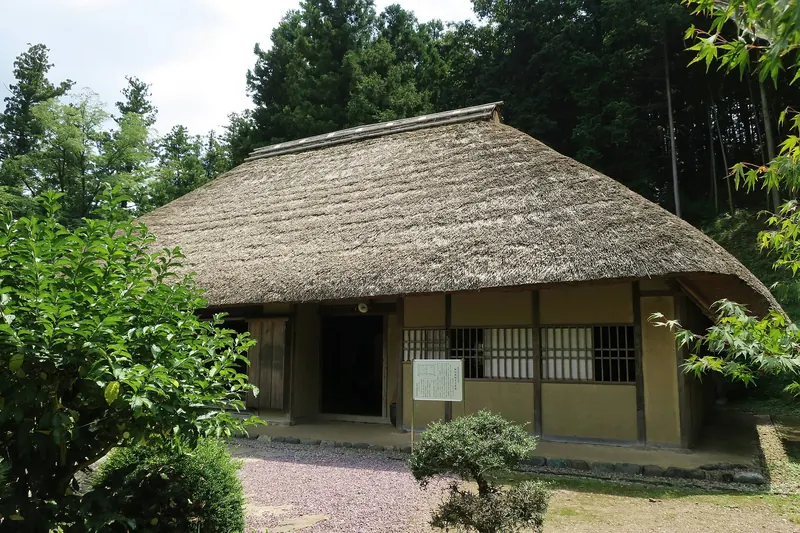
Michi-no-eki Ogawamachi
This roadside station reopened on 30 May 2025 with hand-made paper and organic farming as its theme. Its craft building has a papermaking studio, a shop selling Ogawa paper by makers from the town and nearby, and an exhibition room that explains what washi is, how it is made, its history, and how Ogawa washi differs from Hosokawa-shi. You can also watch Hosokawa-shi being made.
Individual visitors do not need to book. Pay at the paper shop first, then walk over to the studio; papermaking is taken at any time within its hours.
Papermaking at Michi-no-eki Ogawamachi
- Plain sheet: 1,100 yen
- Patterned sheet: 1,320 yen
- Eight postcards, two shikishi cards or a mini tapestry: 1,320 yen each
- Plain sheet, dyeing and a paper fan: 2,750 yen
- Plain sheet, dyeing and an andon lamp: 3,850 yen
A full day at the Washi Experience Learning Center
For a deeper look, the town's Washi Experience Learning Center runs a course that starts from the raw material. The building itself was put up by Saitama Prefecture in 1936 as a paper research station and passed to the town in 1999.
The one-day course
- Book ahead: phone the centre at least a week before; small bookings may be combined with other people.
- Learn the materials: a classroom talk on the raw materials comes first.
- Make five sheets: plain kozo paper, each about A3, from locally grown kozo only.
- Dry them: the sheets are dried on an iron plate, and you take them home the same day.
The course runs from 10:00 to 15:00, including an hour for lunch, and costs 5,000 yen. The centre opens 9:00–16:00 and closes on Tuesdays, the day after a public holiday and over New Year.
Where to buy washi paper in Tokyo, and which workshop to choose
Tokyo itself has enough for a washi afternoon, whether you want to buy good paper or form a sheet. One old paper house in Nihombashi covers both, a museum in the north of the city has a weekend workshop, and the big stationery shops stock paper goods.
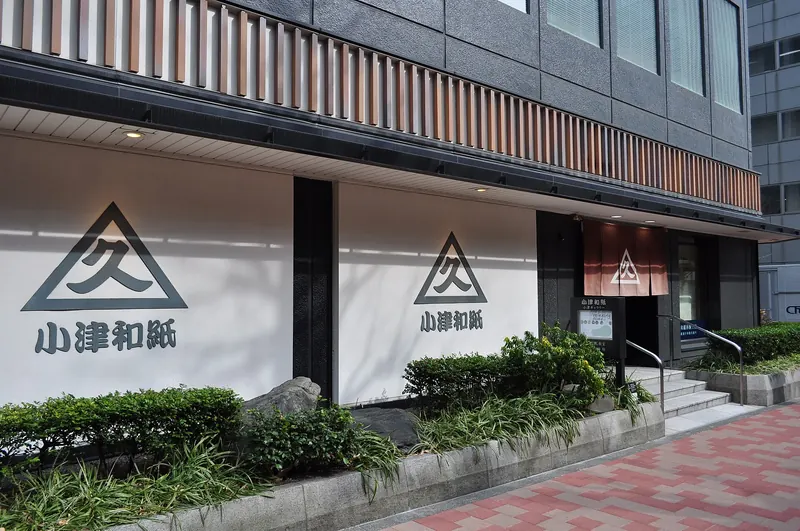
Ozu Washi in Nihombashi
Ozu Washi has traded in Nihombashi since 1653. Its shop concentrates on hand-made paper from papermaking areas all over Japan, chosen for painting, calligraphy, crafts and interiors, and the same building holds a gallery, culture classes and the Ozu History Museum.
On the ground floor, the papermaking studio gives you a sugeta and shows you how to shake it towards you and away, then from side to side, until the fibres settle into one even sheet. It is harder than it looks.
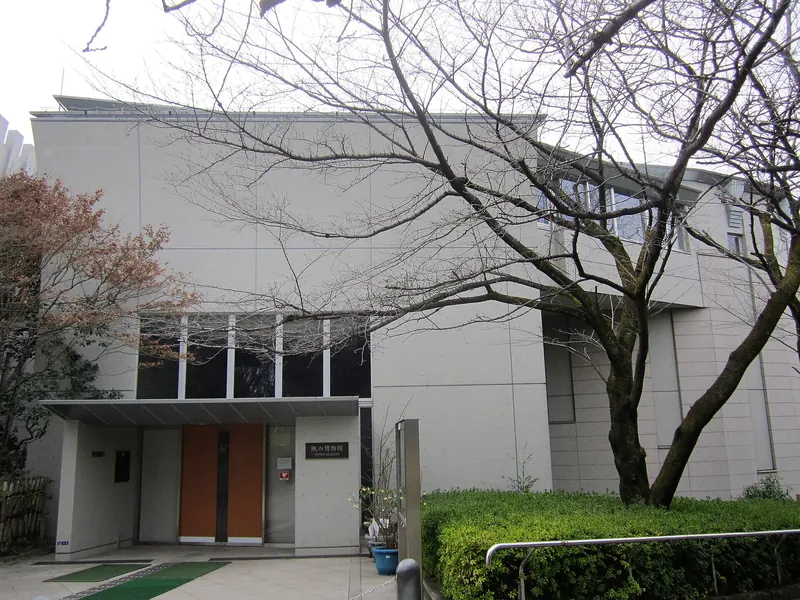
The Paper Museum in Oji
Oji is the district where Japan first produced Western-style paper, and its Paper Museum gives its top floor to washi. On Saturday and Sunday afternoons, visitors of any age can turn old milk cartons into new paper, free with a museum ticket. The floor-by-floor layout is described on the origami in Japan page.
Stationery shops
JNTO's stationery guide names specialist shops with information in English, including Ginza Itoya, Kakimori, GEKKOSO and Haibara, the last singled out for washi and paper goods. For smaller purchases, Hands and LOFT, and bookshops such as Maruzen Marunouchi and Kinokuniya, keep large stationery sections. In the papermaking towns themselves, the shops at the source are worth the time: the Mino museum shop, the Akari Art Museum with its lantern kits, Washidokoro Echizen in Fukui and the paper shop at Michi-no-eki Ogawamachi.
Reading the label
Most of the hand-made paper on sale in Mino carries the Mino Tesuki-washi name, and three kinds turn up again and again. All three are common choices for lanterns and fans, so they are a sensible place to start if you want paper for a lamp; some are also used as writing paper.
Three Mino papers to look for
- Rakusuishi: paper sprinkled with water before it dries, so the thinner patches form a pattern.
- Kigami: paper whose fibres are not bleached in the sun and water, giving a warmer colour.
- Unryushi: paper made from less refined bark fibres, which leave attractive patterns in the sheet.
Which workshop to choose
Four places to make a sheet
- Ozu Washi, Tokyo: one A4 sheet from 1,000 yen in about 45 minutes, in central Tokyo; closed Sundays and Mondays.
- Mino Washi Paper Museum, Gifu: three workshops from about 20 to 40 minutes plus drying, with English signs in the museum; 500 yen plus admission, booked ahead; closed Tuesdays.
- Papyrus House, Echizen: about 20 minutes plus 10 to dry, from 700 to 1,300 yen depending on what you make, no admission charge, booking requested; closed Tuesdays.
- Michi-no-eki Ogawamachi, Saitama: no booking for individuals, from 1,100 yen, and Hosokawa-shi demonstrations to watch; the studio closes on Mondays.
Before you go
- Day checked against closures: Tuesday in Mino and Echizen, Monday at the Ogawa studio, Sunday and Monday at the Ozu studio
- Booking made where one is asked for: Mino, Echizen and Ozu
- Time left for drying: about 5 to 15 minutes in Mino and about 10 in Echizen
- Japanese needed if you are aiming for Mino's one-day or month-long courses rather than the short workshops
Frequently asked questions
What is washi paper made of?
The inner bark of three shrubs: kozo, the paper mulberry, plus mitsumata and gampi. The fibres are mixed with water and a sticky plant dispersant and formed by hand on a bamboo screen. Hon-minoshi and Hosokawa-shi use kozo alone.
Is washi the same as rice paper?
No. Washi is made from the bark fibres of kozo, mitsumata or gampi, and rice plays no part in it. Mulberry paper is a closer name, because kozo is the paper mulberry.
How is washi paper made?
By nagashizuki. The maker scoops a slurry of fibres onto a bamboo screen, tips off a thin first layer, rocks the frame until the fibres knit together, finishes with one quick scoop, then presses the stacked sheets overnight and dries them on boards.
Where can I make washi paper in Tokyo?
Ozu Washi in Nihombashi has a studio where one A4 sheet costs from 1,000 yen and takes about 45 minutes, closed on Sundays and Mondays. The Paper Museum in Oji runs papermaking from recycled milk cartons on Saturday and Sunday afternoons, free with the 400 yen ticket.
Where can I buy washi paper in Tokyo?
Ozu Washi in Nihombashi specialises in hand-made paper from all over Japan and is open Monday to Saturday. JNTO also names Haibara for washi and paper goods, alongside stationery specialists such as Ginza Itoya, and Hands, LOFT and big bookshops carry paper goods too.
How much does a washi workshop cost?
Most single sheets and card sets cost between 500 and 1,320 yen. Mino charges 500 yen plus admission, Papyrus House in Echizen 700 to 1,300 yen, Michi-no-eki Ogawamachi from 1,100 yen and Ozu Washi from 1,000 yen. Ogawa's full-day course from raw bark costs 5,000 yen.
Which washi papers are on the UNESCO list?
Sekishu-banshi from Shimane, Hon-minoshi from Mino in Gifu and Hosokawa-shi from Ogawa and Higashi-chichibu in Saitama have been listed together since 2014. A 2025 extension added newly joining communities, among them the makers of Echizen torinoko gampi paper.
When is the best time to see Mino's paper lanterns?
In October, on the Saturday and Sunday before Sports Day, when about 400 lantern works light the Udatsu district. Outside the festival, selected pieces are on show all year at the Mino Washi Akari Art Museum.
Sources
Official and primary sources used for this page. Checked November 22, 2026.
- UNESCO: Washi, craftsmanship of traditional Japanese hand-made paper — what washi is, its uses, how skills are passed on
- UNESCO: Decision 9.COM 10.22 — the 2014 listing, the three communities and papers
- UNESCO: Decision 20.COM 7.b.51 — the 2025 extension and the Echizen torinoko association
- Japan Tourism Agency: Mino Washi Paper Museum — displays, English signs, workshops, hours
- Japan Tourism Agency: Paper Experiences at Mino Washi Paper Museum — the three workshops, sizes and times, longer courses
Show all 28 sources
- Japan Tourism Agency: Making Mino Washi, the Screening Process — nagashizuki steps and Mino's side-to-side rocking
- Japan Tourism Agency: Mino Tesuki-Washi — Hon-minoshi and Mino Tesuki-washi, three types of paper
- Japan Tourism Agency: Mino Washi, Layers of History — the 702 register, the Nihon shoki, taxes, the saihai, decline
- Japan Tourism Agency: Gokayama Washi — neri from tororo-aoi, winter papermaking in gassho-zukuri houses
- Japan Tourism Agency: Mino Washi Akari Art Museum — the building, displays and shop
- Japan Tourism Agency: Mino Washi Akari Art Festival — the festival's start in 1994 and Gifu lanterns
- JNTO: Mino Washi Akari Exhibition — festival timing, number of works, train route
- Gifu Prefecture Tourism: Mino Washi no Sato Kaikan (in Japanese) — hours, closing days, admission, papermaking fee, bus
- Echizen Washi Village: Papyrus House — workshop steps, prices, hours, booking, shop
- Echizen Washi Village: Paper & Culture Museum — exhibits, admission, hours, closing days
- Discover Fukui: Echizen Washi Village Uritate Craft Museum — the Edo-period house, demonstrations, bus access
- Discover Fukui: Papyrus House — access by car
- Fukui Prefecture: Echizen Washi — the princess legend, sutras, Echizen hosho
- Paper Museum: Guide — hours, admission, access, rules for visitors
- GO TOKYO: Paper Museum — Oji's paper history, washi floor, weekend workshop
- GO TOKYO: Japanese Washi Paper-Making Workshop — Ozu Washi workshop price, length, hours, stations
- Ozu Washi: Home (in Japanese) — founding year, shop hours, floors, stations
- JNTO: Japanese stationery — washi fibres, Yoshino paper, stationery shops, Kurashiki masking tape
- Saitama Prefecture: Michi-no-eki Ogawamachi (in Japanese) — 2025 reopening, Hosokawa-shi demonstrations, closing day
- Michi-no-eki Ogawamachi: Home (in Japanese) — the craft building and distance from Tokyo
- Michi-no-eki Ogawamachi: Traditional craft facility (in Japanese) — papermaking menu, prices, hours, no booking for individuals
- Ogawa Town: About Ogawa washi (in Japanese) — 1,300 years, Hosokawa-shi, cold water and papermaking songs
- Ogawa Town: Washi Experience Learning Center (in Japanese) — the building, one-day course, hours
Related guides
To cite or link to this page: Washi paper in Japan: what it is made of, how a sheet is formed, the papers on the UNESCO list, papermaking workshops in Mino, Echizen, Ogawa and Tokyo, and where to buy washi — Japan Pocket Guide, https://japanpocketguide.com/culture/washi-paper/