Things to do · Anime
Real-life anime locations in Tokyo: where official guides say each series is set
Tokyo is the setting of many anime, and the city's official travel guide has pages for the real places tied to them. This guide goes through those places area by area, from Kanda Shrine and Hijiri Bridge to Kameari, Koenji and Tachikawa, and gives the nearest station wherever the official page gives one. It keeps places where a story is set apart from statues, manhole covers and museums that honour a series. Every place, address and walking time below comes from an official page read between 12 and 14 October 2026; all of them appear in the Sources list at the end.
Last checked · Sources

In short
Tokyo's official guide names these real anime settings: Kanda Shrine for Love Live! and Steins;Gate, Akihabara for Steins;Gate, Ikebukuro for Durarara!!, the Nozoki-zaka slope for Saekano, Kappabashi and Asakusa for Sarazanmai, Kinshicho for Lycoris Recoil, Kameari for KochiKame and Koenji for Accel World. JNTO adds Hijiri Bridge in Ochanomizu for Suzume. Shinjuku is named for Your Name and Shibuya for Jujutsu Kaisen, but no exact spots are given for either.
Real anime locations in Tokyo: the short answer
Tokyo's official travel guide, GO TOKYO, and the Japan National Tourism Organization (JNTO) name real places in the city for a long list of anime. Some are places where a story is set: Kanda Shrine, the streets of Akihabara, a bridge in Ochanomizu, a steep slope in Toshima City. Others are statues, manhole covers and museums that a district has put up for a series, or for the artist who drew it.
This page keeps the two kinds apart, goes through them area by area and gives the nearest station wherever the official page gives one. It does not rank the places. Which one is worth your afternoon depends on which series you love.
Six places, and the series official guides tie to them
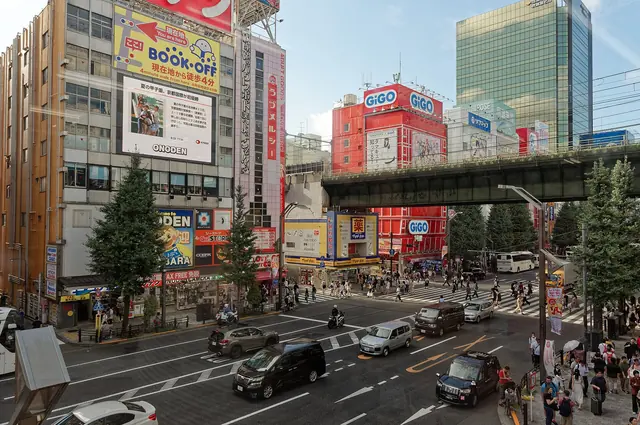 Akihabara: Steins;Gate
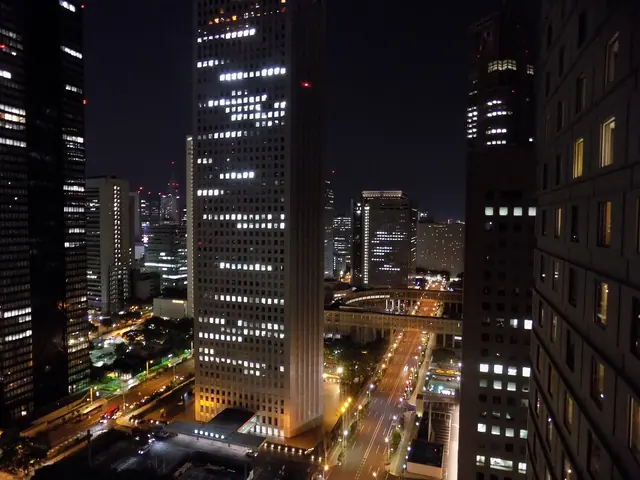 Shinjuku: Your Name and Weathering with You
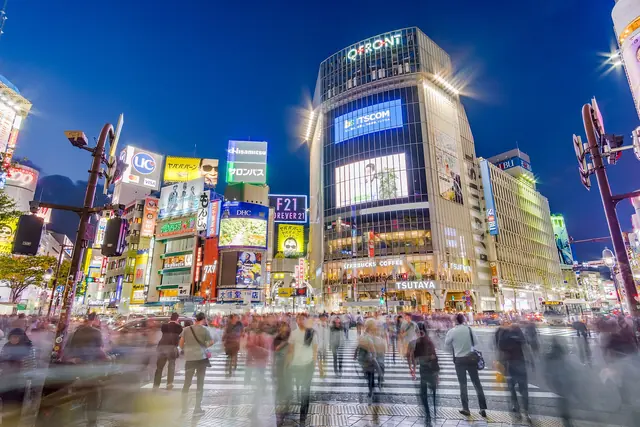 Shibuya: Jujutsu Kaisen and Idolmaster Cinderella Girls
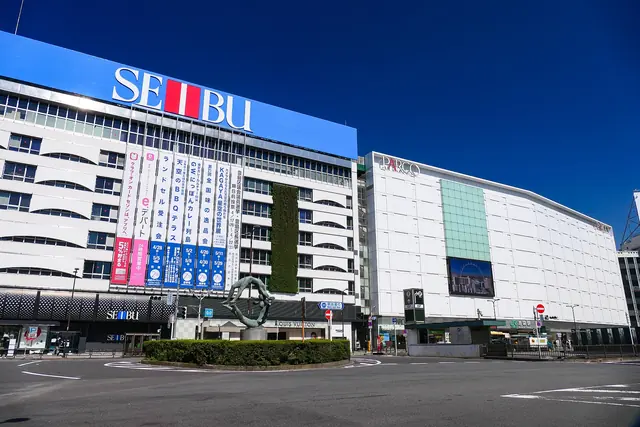 Ikebukuro: Durarara!!
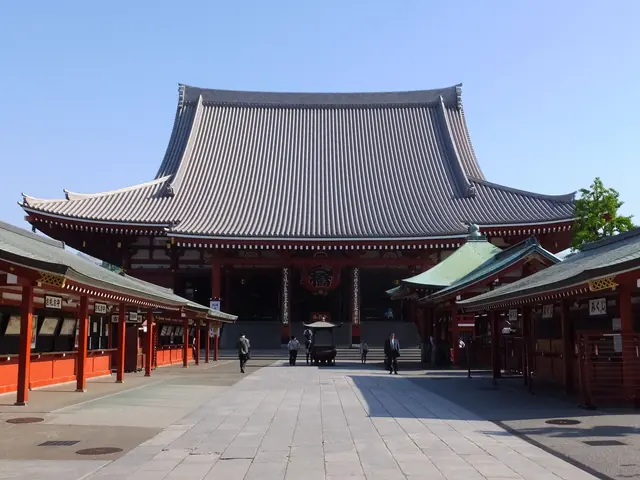 Asakusa: Sarazanmai and Suzume
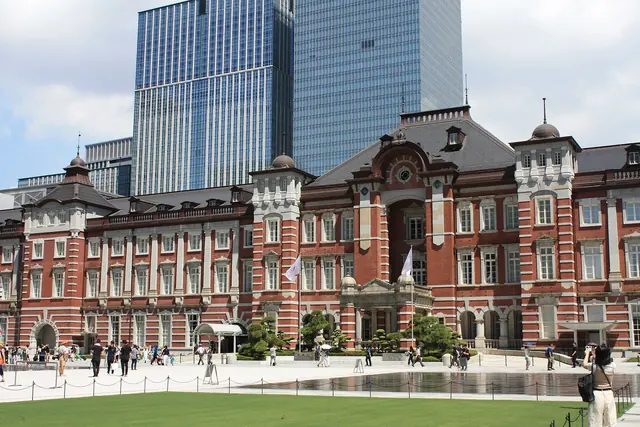 Tokyo Station: where Suzume arrives by bullet train
Find your series: where the story is set
| Series | Place in Tokyo | Station named on the official page |
|---|---|---|
| Love Live! | Kanda Shrine, Sotokanda | None; the page says the shrine is near Akihabara |
| Steins;Gate | Akihabara; Kanda Shrine | Akihabara |
| Suzume | Hijiri Bridge in Ochanomizu; Senso-ji in Asakusa; Tokyo Station | Ochanomizu |
| Your Name; Weathering with You | Shinjuku, with no exact spot named | Shinjuku |
| Jujutsu Kaisen; Idolmaster Cinderella Girls | Shibuya, with no exact spot named | Shibuya |
| Durarara!! | Ikebukuro | Ikebukuro |
| Saekano | Nozoki-zaka slope, Toshima City | Gakushuin-shita or Kishibojin-mae |
| Sarazanmai | Kappabashi and Asakusa, Taito City | None on the two pages read |
| Lycoris Recoil | Kinshicho, Sumida City | Kinshicho |
| KochiKame | Kameari, Katsushika City | Kameari |
| Accel World | Koenji, Suginami City | None |
| SHIROBAKO | Musashino City | Musashi-Sakai |
| Frame Arms Girl | Tachikawa | Tachikawa |
Find your series: statues, manhole covers and museums
| Series or artist | What is there | Where |
|---|---|---|
| Astro Boy | Manhole covers; a sweet shop | Ochanomizu; Takadanobaba |
| Doraemon | A monument you can walk through | Rooftop of MIYASHITA PARK, Shibuya |
| March Comes In Like a Lion | Manhole covers | Sendagaya |
| The manga artists of Tokiwaso | A museum and a monument | Minami-Nagasaki, Toshima City |
| KochiKame | A stone monument | Asakusa Jinja Shrine |
| Captain Tsubasa | Statues and a decorated station | Yotsugi and Tateishi, Katsushika City |
| Mobile Suit Gundam | A bronze statue; monuments | Kami-Igusa; Inagi |
| Galaxy Express 999 and others | Bronze statues and a station figure | Oizumi-gakuen, Nerima City |
| GeGeGe no Kitaro | Statues, a walkway and a park | Chofu |
| Chihayafuru | Manhole covers | Fuchu |
| A Certain Magical Index; A Certain Scientific Railgun | Vending machines and a manga reading room | Tachikawa |
| Pokémon | Manhole covers | Serigaya Park, Machida |
| Sazae-san | Statues and a museum | Sakura-shimmachi, Setagaya City |
| Kiki's Delivery Service | Manhole covers | Kasai and Nishi-Kasai, Edogawa City |
| Black Jack | Bronze statues | Higashi-Kurume |
How this page sorts settings from tributes
An anime pilgrimage in Tokyo can mean two different things, and the official pages describe both. It helps to know which one you are travelling for.
Two kinds of place on this page
- Setting: an official page says the story is set there, or that the place appears on screen
- Tribute: a statue, manhole cover, monument or museum, there because an artist lived nearby, a studio worked nearby or a city chose to celebrate a series
Three limits follow from using official pages only.
First, where the official page stops at the name of a district, so does this page. Tokyo's guide says Shinjuku features in Your Name, for instance, but it does not name a staircase or a crossing. Fan sites and fan maps do. This page leaves those out, because it cannot check them against an official source.
Second, there is a national list to know about: the 88 Animation Spots, chosen by the Anime Tourism Association. Tokyo's guide picks out ten places in the city: seven of the 88 spots, and three anime facilities where a scarlet seal is also available. All ten are on this page. This site could not open the association's own website while writing, so the association's full list is not used here.
Third, things change. Each spot page on GO TOKYO shows the date it was last updated, and on the pages used here those dates run from June 2019 to October 2026. A statue cast in bronze is likely to be where it was. A vending machine, a collaboration at a shrine or a seal at a counter may not be.
Before you set out
- Look at the year: this page gives the date of the official page for manhole covers, statues and collaborations. The older the date, the more may have changed.
- Do not count on a seal: Tokyo's guide lists the seal for GeGeGe no Kitaro in Chofu as unavailable for now, so look again before you plan a day around one.
- Remember where you are: shrines, shopping streets and stations are in daily use by the people around them.
Akihabara, Kanda and Ochanomizu
These three neighbours sit close together in Chiyoda City, and between them they hold settings from three series: Love Live!, Steins;Gate and Suzume. Ochanomizu is one stop from Akihabara, so a single morning can cover all of them.
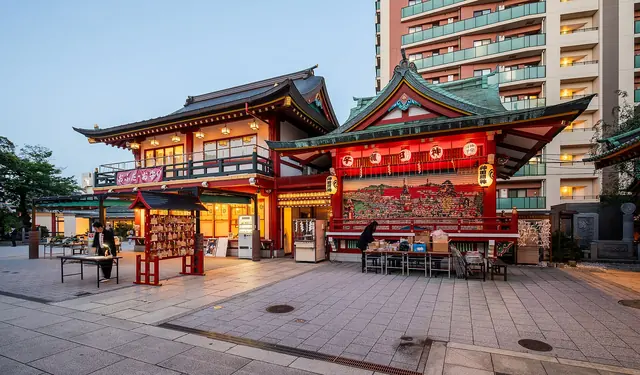
Train times to Akihabara on Tokyo's official guide
- 4min from Tokyo Station on the JR Yamanote Line
- 18min from Shinjuku on the JR Sobu Line
Kanda Shrine: Love Live! and Steins;Gate
Tokyo's guide describes Kanda Shrine as a key setting of the Love Live! anime, and says the shrine near Akihabara is known as a setting of Steins;Gate too. Its page on animation spots adds: "On the 400th anniversary held in 2015, a collaboration with Love Live!, which is deeply associated with Kanda Shrine, was held." A slope close to the shrine also turns up on screen.
The shrine has worked with other series as well. Its own page says it has issued charms and votive pictures, known as ema, in collaboration with Sword Art Online and Is the Order a Rabbit?, and that its museum has held exhibitions with Steins;Gate, Hamtaro and Kengan Ashura. That page dates from March 2021, so the charms on sale now may be different.
Akihabara: Steins;Gate
The official page is direct about it: "The STEINS;GATE setting in Akihabara in 2010 has links with the actual townscape in many spots." It does not list which buildings or corners those are. Instead, it leaves the search to you: "Visit and stroll around AKIBA to find these spots."
If you are in Akihabara for the shops as well, this site's list of what to buy in Akihabara goes through the main ones.
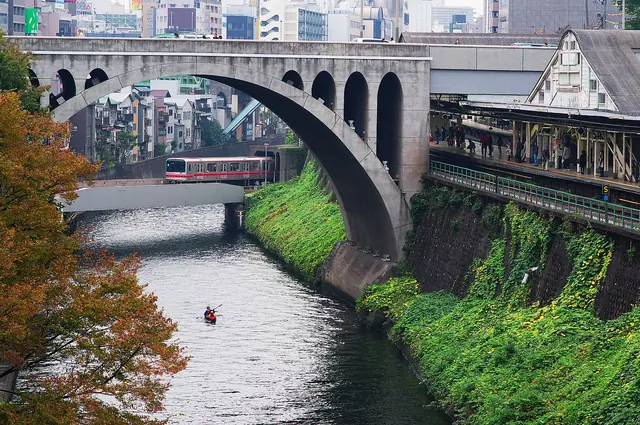
Hijiri Bridge, Ochanomizu: Suzume
JNTO's guide to Suzume, from April 2023, follows the film's route across Japan, and its Tokyo stop is Ochanomizu: "The most recognisable spot in Ochanomizu is the view from Hijiri-bashi Bridge of railroad crossing over Kanda River to Ochanomizu station." The guide says that view is shown in the film and that the place matters at a turning point midway through the story.
Suzume also comes into the city the way many visitors do. JNTO puts it this way: "This is exactly what Suzume does, taking the 3-hour JR Sanyo-Tokaido bullet train from Shin-Kobe station to Tokyo station." The same guide notes that Ochanomizu is known for its second-hand music shops, bookshops and cheap places to eat, and that it makes a calmer stop after the crowds of Akihabara.
Astro Boy manhole covers, Ochanomizu
Along Meidai-dori Street, which runs from Ochanomizu Station, three manhole covers show Astro Boy, his sister Uran and Dr Ochanomizu, with cherry blossoms, the flower of Chiyoda City. In the story, Astro Boy goes to an elementary school in Ochanomizu. The official page on the covers is from February 2021.
Where each setting is
- Kanda Shrine: Love Live! and Steins;Gate
- Streets of Akihabara: Steins;Gate, with no exact spots named
- Hijiri Bridge: Suzume, with the railway crossing the Kanda River below
- Meidai-dori Street: three Astro Boy manhole covers
Shinjuku, Shibuya and Sendagaya
On the west side of central Tokyo, the official guides name whole districts rather than single spots. Shinjuku and Shibuya are the two big ones; Sendagaya and Takadanobaba each have a smaller tribute.
Train times to Shinjuku and Shibuya on Tokyo's official guide
- 14min from Tokyo Station to Shinjuku
- 7min from Shinjuku to Shibuya
- 23min from Tokyo Station to Shibuya
Shinjuku: Your Name and Weathering with You
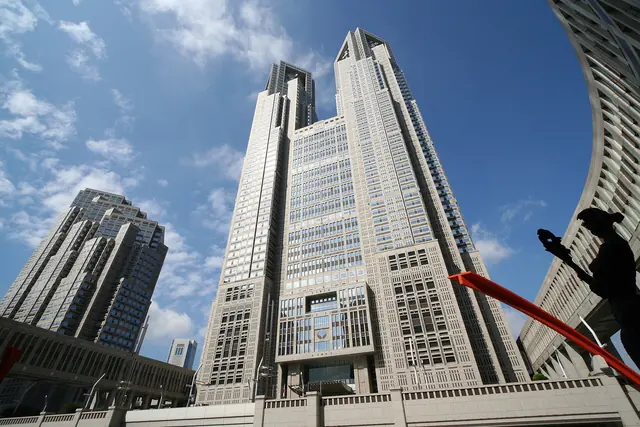
Tokyo's guide to Shinjuku, updated in December 2025, says: "Anime and movie fans can also track down some of their favorite locations." It names two films by Makoto Shinkai, Your Name and Weathering with You, as ones in which Shinjuku appears. It stops there, with no street, staircase or shop named, and this page does the same.
Shinjuku also has spot No. 88 of the 88 Animation Spots: the Tokyo Metropolitan Government Office. Its scarlet seal is kept on floor 1 of Tokyo Metropolitan Government Building No. 1, at the Tokyo Tourism Information Center, 2-8-1 Nishi-Shinjuku.
Shibuya: Jujutsu Kaisen and Idolmaster Cinderella Girls
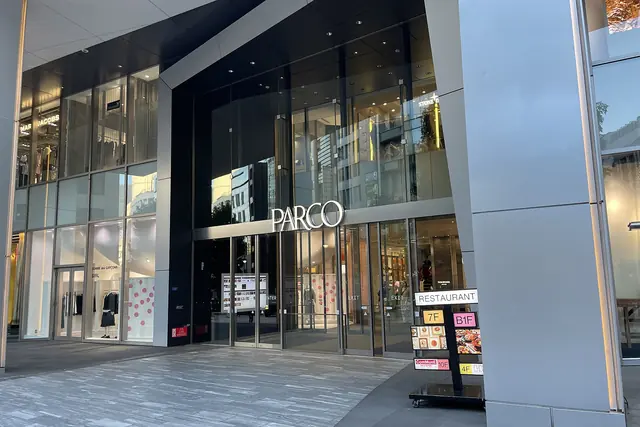
Tokyo's guide to Shibuya, updated on 1 October 2026, lists Shibuya as the setting of Idolmaster Cinderella Girls and of the Shibuya Incident arc of Jujutsu Kaisen. As with Shinjuku, it does not pin either one to an exact spot. For shopping, it adds: "There are also anime and game floors on the 6th floor of Parco."
Tokyo Anime Center is not one of the 88 spots, but it is one of the facilities where a scarlet seal is available. GO TOKYO calls it a place for fans of anime and games: "Tokyo Anime Center is an important spot for cartoons, games, and sub-cultures." The Shibuya page says it opened inside DNP PLAZA SHIBUYA in April 2021, and the animation spots page gives its address as Shibuya MODI 2F, 1-21-3 Jinnan. It also suggests a route there: "Walk across the world-famous Shibuya Scramble Crossing to get your scarlet seal."
Doraemon's door, MIYASHITA PARK
On the rooftop of MIYASHITA PARK, a monument marks 50 years of Doraemon, and you can walk through it. The official page, from October 2022, says: "DORAEMON'S DOOR TO THE FUTURE is a permanent exhibit."
Sendagaya and Takadanobaba
Around Sendagaya, manhole covers show March Comes In Like a Lion, the manga by Chica Umino: six designs, at nine places. The official page, from February 2021, says only that they are in the vicinity of Sendagaya; it does not say whether the story is set there.
In Takadanobaba, Astro Boy's birthday is part of the story of the place: in the manga, he was born there on 7 April 2003. Osamu Tezuka had his office near Aoyagi, a Japanese sweet shop, and often bought cakes there. Today the shop makes and sells sweet buns decorated with Astro Boy and Uran, under licence from TEZUKA PRODUCTIONS. The official page is from October 2022.
Ikebukuro, Zoshigaya and Minami-Nagasaki
Ikebukuro is the setting of Durarara!!, and the quieter streets to its south and west hold a steep slope from Saekano and the site of Tokiwaso, the apartment block where young manga artists once lived.
Train times to Ikebukuro on Tokyo's official guide
- 8min from Shinjuku to Ikebukuro
- 24min from Tokyo Station to Ikebukuro
- 17min on the Marunouchi Line from Tokyo Station
Ikebukuro: Durarara!!
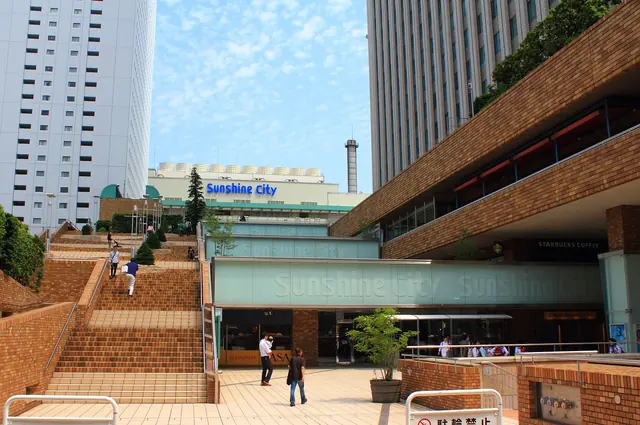
The animation spots page is specific about where to go: "We recommend a visit to the actual spots in Ikebukuro that appear in this animation as well as Ikebukuro Sunshine Street, which is the animation spot, Naka-Ikebukuro Park, and Sunshine City, which is a commercial complex in Higashi-Ikebukuro located a little way further." The Toshima City Tourism Association looks after the seal for Durarara!!, at its information centre on the third floor of the Notoya Building, 1-19-7 Nishi-Ikebukuro.
On Sunshine Street itself, a manhole cover shows an anime made to promote Ikebukuro. It is near 1-14 Higashi-Ikebukuro, 5 minutes from JR Ikebukuro Station, on a page from February 2021. This site's comparison of Akihabara and Ikebukuro covers the shops in both districts.
Nozoki-zaka slope: Saekano
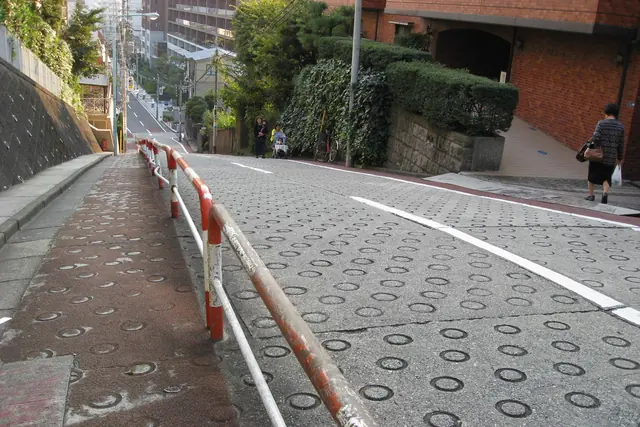
Saekano, or How to Raise a Boring Girlfriend, has a scene on a real slope: "Nozoki-zaka, one of the steepest slopes in Tokyo, is used in an impressive scene in this animation." The slope lies between Gakushuin-shita and Kishibojin-mae, two stops on the Toden Arakawa Line tram. The seal for Saekano is at the Zoshigaya tourist information centre, 3-19-5 Zoshigaya.
Tokiwaso, Minami-Nagasaki
Tokiwaso was pulled down in December 1982. In July 2020, Toshima City opened the Tokiwaso Manga Museum in Minami-Nagasaki Hanasaki Park. Upstairs, the museum rebuilds the building as it stood in the decade from 1955, with rooms along both sides of a corridor and a shared kitchen and toilet. Downstairs are a manga lounge and changing exhibitions. It is one of the three facilities in Tokyo where a scarlet seal is available. The official page does not give opening hours or a price, so this page does not quote them.
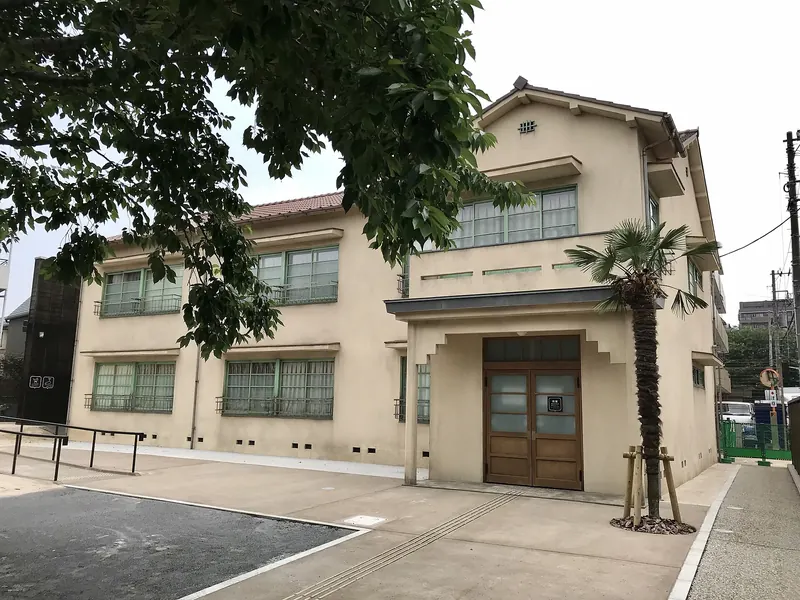
The site of the original building is a short walk away, and a publisher now has its head office there. "The monument marking this famous site was placed here in 2012."
Asakusa and Kappabashi
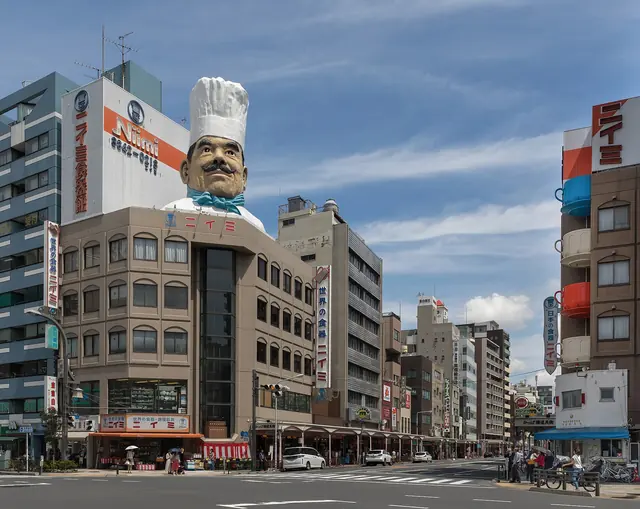
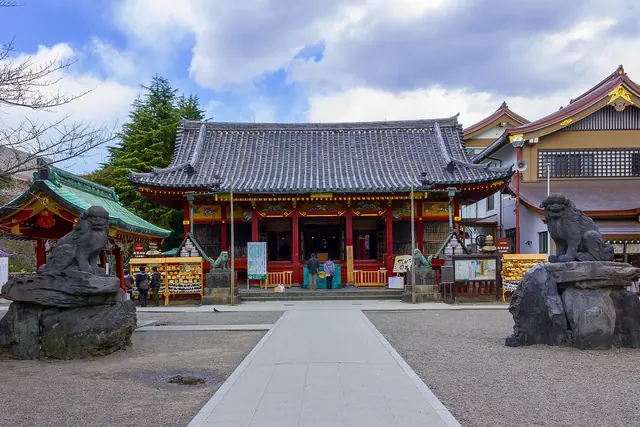
Asakusa is better known for its temple than for anime, but Tokyo's guides tie three series to it: Sarazanmai, Suzume and KochiKame.
Getting to Asakusa
- Lines: the Ginza Line, the Toei Asakusa Line and the Tobu Skytree Line all stop at Asakusa
- From Tokyo Station: 20 minutes, changing to the Ginza Line at Kanda
- From Shinjuku: 35 minutes, also changing to the Ginza Line at Kanda
Sarazanmai: Kappabashi and Asakusa
Sarazanmai, an anime from 2019, is set here, and GO TOKYO says so plainly: "The series depicts Taito Ward in detail, centering on the Kappabashi and Asakusa areas." Taito City has put up a manhole cover for it at 2-25-8 Matsugaya and a mailbox at 3-3-8 Nishi-Asakusa. Both pages are from November 2021, and neither gives a station.
Senso-ji: Suzume
JNTO's guide to Suzume includes Senso-ji among the places in Tokyo linked to the film. It does not say which part of the temple.
KochiKame stone monument, Asakusa Jinja Shrine
KochiKame's hero, the police officer Kankichi Ryotsu, was born in Asakusa in the story. To celebrate 130 million copies of the manga, a stone monument was put up in the grounds of Asakusa Jinja Shrine, 2-3-1 Asakusa, on 6 August 2005. It is 7 minutes from Asakusa Station on the Ginza Line or the Toei Asakusa Line, and 10 minutes from the Tsukuba Express station. The official page is from October 2022.
Kinshicho, Kameari and Yotsugi
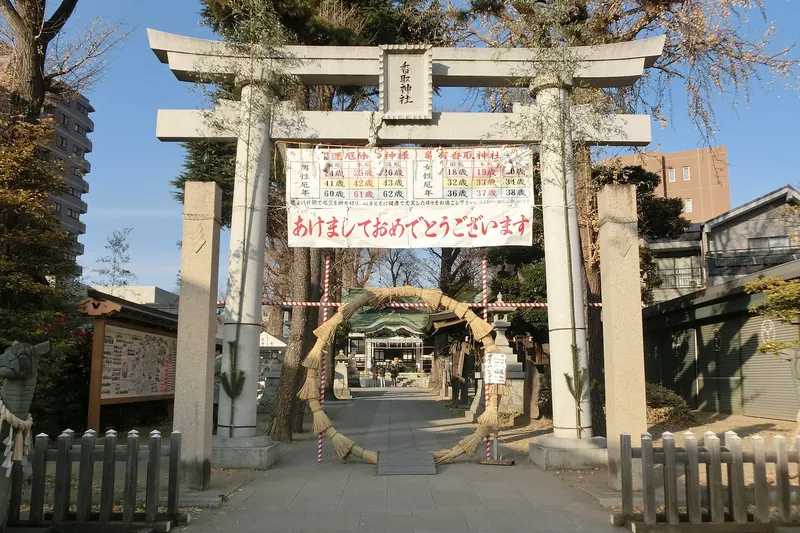
East of the Sumida River, the official guides tie three series to ordinary neighbourhoods: Lycoris Recoil to Kinshicho, KochiKame to Kameari and Captain Tsubasa to Yotsugi. None of the three is a big sightseeing district.
Stations named on the official pages
- Kinshicho: JR Sobu Line, north exit, or exit 4 of the Hanzomon Line
- Kameari: JR Joban Line, north and south exits
- Yotsugi: Keisei Oshiage Line
Kinshicho: Lycoris Recoil
A Lycoris Recoil manhole cover sits in front of Olinas KINSHICHO, at 4-1 Taihei in Sumida City, near Kinshi Park. GO TOKYO says the park is one of the places that appear in the anime, and widens the map from there: "Lycoris Recoil scenes take place in Kinshi-cho, Oshiage, Sumida River, and many other well-known locations." The cover is 6 minutes on foot from the north exit of Kinshicho Station on the JR Sobu Line, or 5 minutes from exit 4 on the Hanzomon Line. The page is from January 2026.
Kameari: KochiKame
KochiKame follows Kankichi Ryotsu, a police officer at a made-up police box beside Kameari Park, through his working days. The park is real, at 5-36-1 Kameari, 3 minutes from the north exit of the station, and the official page, from November 2025, puts it simply: "Kameari Park has become a famous sightseeing spot for fans of the series."
Kameari Katori Jinja, a shrine at 3-42-24 Kameari, also appears in the series; it is 3 minutes from the south exit. Around the station, 15 bronze statues of characters from the manga stand in the streets, Ryotsu among them. Both pages are from December 2025.
The KochiKame Museum, at 3-32-17 Kameari, is 3 minutes from the station. You ride a lift to the 5th floor, and you walk back down floor by floor to the 1st. Its page, from March 2026, ends with a suggestion: "After enjoying the KochiKame Museum, it is fun to stroll around the actual Kameari Town and enjoy the real world of KochiKame." This page does not quote its hours or prices; check them on the museum's own site before you go.
Yotsugi and Tateishi: Captain Tsubasa
Nine bronze statues of characters from Captain Tsubasa, including Tsubasa Ozora himself, stand in Yotsugi and Tateishi. That page is from June 2019. Yoichi Takahashi, who created the manga, comes from Yotsugi, which is why the statues are here.
The station joins in too. GO TOKYO's page, from November 2022, says: "Keisei Electric Railway Yotsugi Station, the gateway to Yotsugi, is decorated throughout with images of Captain Tsubasa." When a train is coming in, the platform plays the ending theme from the anime, and a picture of Tsubasa Ozora is made from about 110,000 used tickets. The station is at 1-1-1 Yotsugi.
East Tokyo at a glance
- Kinshicho: a Lycoris Recoil manhole cover near Kinshi Park
- Kameari Park: the park beside the police box in KochiKame
- Kameari Katori Jinja: a shrine that appears in KochiKame
- Around Kameari Station: 15 bronze statues
- KochiKame Museum: five floors, top to bottom
- Yotsugi and Tateishi: nine Captain Tsubasa statues
Suginami and Musashino: Koenji, Kichijoji and Musashi-Sakai
West along the JR Chuo Line, two series are set in real places: Accel World in Koenji and SHIROBAKO in Musashino City. Along the way are a free animation museum, a bronze Gundam and two sets of manhole covers.
Koenji: Accel World
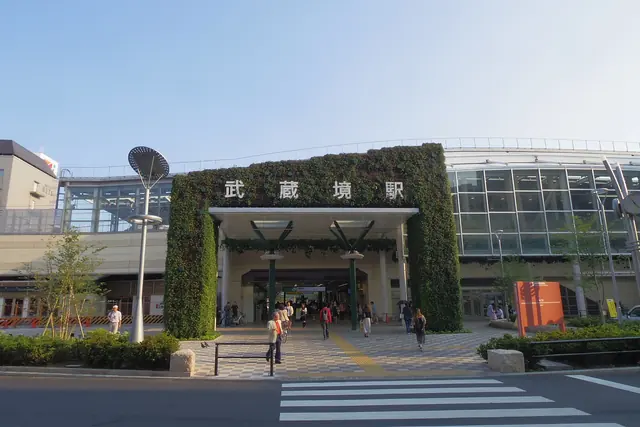
GO TOKYO's page on animation spots is plain about this one: "Koenji, Suginami City is the setting of this animation." The same page suggests getting to know Suginami by riding the Chuo Line. The seal for Accel World is not in Koenji, though; it is at the Suginami Animation Museum.
Suginami Animation Museum
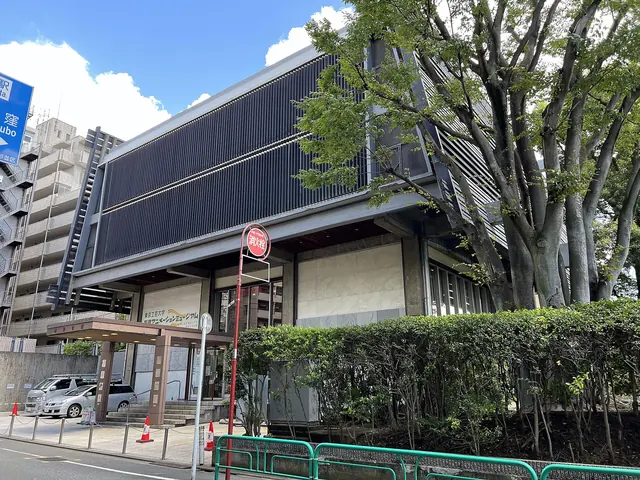
The museum is on the 3rd floor of Suginami Kaikan, 3-29-5 Kamiogi. Its official page says: "Tokyo Polytechnic University Suginami Animation Museum is free to enter, and even offers an audio tour in English." From Ogikubo Station, take a bus to the Ogikubo Police Station stop, then walk 2 minutes.
Kami-Igusa: the Gundam statue
Near Kami-Igusa Station, a 3-metre bronze Gundam stands at 3-32-1 Kamiigusa. It is called Daichi Kara, meaning "from Earth", and GO TOKYO says it has become the symbol of the area around the station. The page is from June 2019.
Kichijoji and Musashi-Sakai: SHIROBAKO
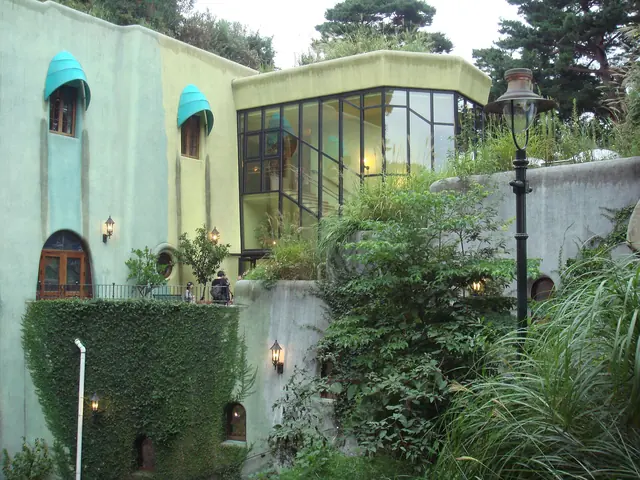
Near the north exit of Kichijoji Station, about 5 minutes on foot, manhole covers designed with anime art can be found at seven places. Musashino City made them with the manga publisher Coamix, the first time the two had worked together. The same publisher runs GALLERY ZENON, a gallery for original manga art, 6 minutes from the station. If you are heading to the Ghibli Museum in Mitaka, this site's guide to Ghibli Museum tickets explains how to book.
One stop further out, Musashi-Sakai has three covers for SHIROBAKO: "Commemorating the 10th anniversary of SHIROBAKO, an anime set in Musashino City, three manholes designed in collaboration with SHIROBAKO were installed in Musashi-Sakai." They are about 5 minutes from the north exit. Both manhole pages are from January 2026.
Along the Chuo Line, east to west
- Koenji: the setting of Accel World
- Ogikubo: a bus to the Suginami Animation Museum
- Kichijoji: manhole covers at seven places, north exit
- Musashi-Sakai: three SHIROBAKO covers, north exit
Nerima: Oizumi-gakuen and the studios
Tokyo's guide calls Nerima the birthplace of anime: "Nerima City is home to numerous anime studios, many of which helped to establish the genre in the mid-20th century." It credits two of them. Toei Animation is credited with The Tale of the White Serpent, Japan's first full-length anime film in colour. Mushi Production made Astro Boy, which the guide calls the first anime TV series. From Shinjuku, the Toei Oedo Line reaches Nerima Station in 20 minutes.
Oizumi Anime Gate
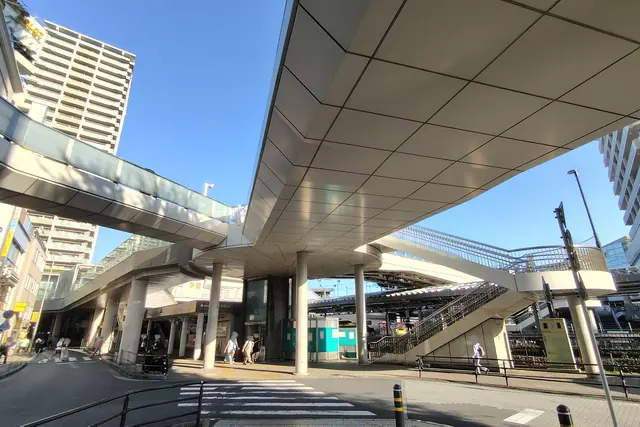
Step out of Oizumi-gakuen Station by the north exit, onto the pedestrian deck, and you are at the Oizumi Anime Gate, open since April 2015. Its life-size bronze figures are Astro Boy; Ashita no Joe's hero, Joe Yabuki; Tetsuro Hoshino and Maetel of Galaxy Express 999; and Urusei Yatsura's Lum. GO TOKYO describes Nerima as a city proud to call itself Anime City Ichiban, number one for anime. The gate also has a timeline of the anime industry in Nerima and a Graphic Wall.
Oizumi-gakuen Station: Galaxy Express 999
Since 2008, the honorary stationmaster here has been the conductor from Galaxy Express 999, and a life-size figure of him keeps watch over passengers. Leiji Matsumoto, who created the series, lived in Oizumi for more than 50 years. As for the platform: "The departure melody at Oizumi-gakuen Station is, of course, Galaxy Express 999." The page is from October 2022.
Toei Animation Museum
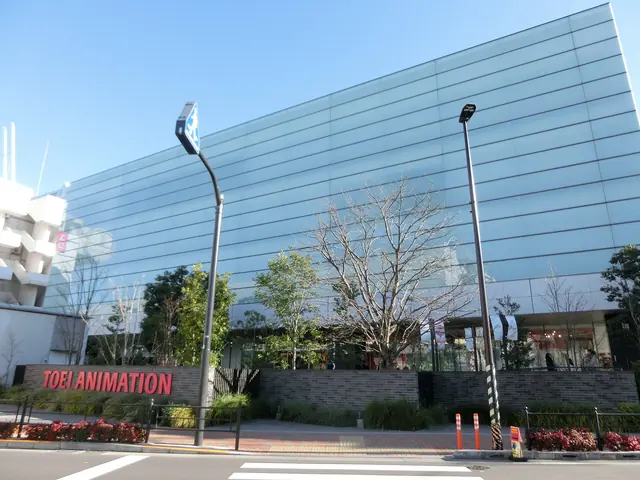
The Toei Animation Museum opened in July 2018 on the grounds of Toei's studio in Oizumi, at 2-10-5 Higashi-Oizumi. Toei Animation was founded in 1956. Inside are large panels for searching Toei's titles, a permanent exhibition of production materials, special exhibitions and a museum shop. This page does not quote its hours; check the museum's own site before you go.
Nerima Tourist Information Center
On the 3rd floor of Coconeri, 1-17-1 Nerima, a minute from the North-Central Gate of Nerima Station, the information centre shows autographs by manga artists linked to the ward. Its page is from November 2021.
Nerima at a glance
- Oizumi Anime Gate: life-size bronze statues on the station deck
- Oizumi-gakuen Station: the Galaxy Express 999 conductor, and the departure melody
- Toei Animation Museum: at Toei's studio, open since July 2018
- Nerima Station: an information centre with manga artists' autographs
Further out: Tachikawa, Chofu, Fuchu and more
The Tama area lies west of the 23 central wards. Tachikawa is the setting of one series there; most of the rest are tributes put up by cities that a manga artist or a studio calls home.
Tachikawa: Frame Arms Girl
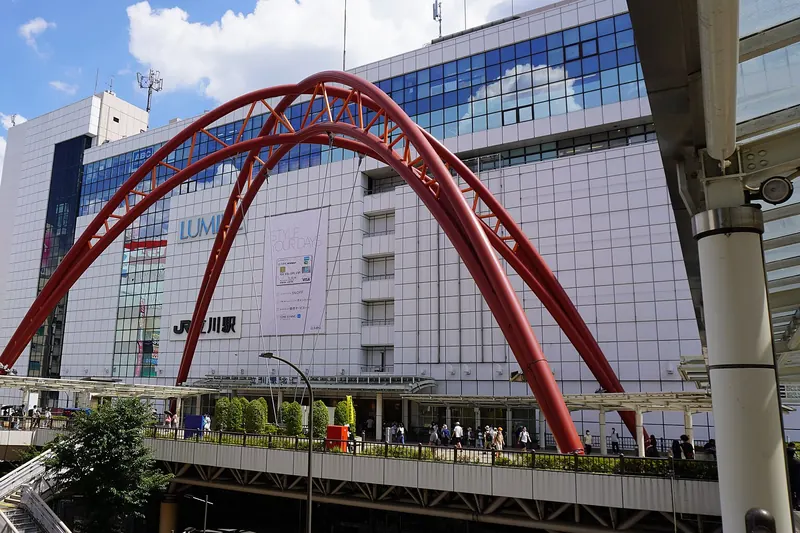
Kotobukiya, a figure maker, began as a small shop in 1953 and still keeps both its head office and its main shop in Tachikawa. The company produced Frame Arms Girl in 2017, placed the story in Tachikawa and put its own head office building on screen. The shop is on the 2nd floor of the Kotobukiya Building, 4-5 Midoricho, 8 minutes from the north exit of Tachikawa Station; the page is from March 2021. Ten minutes from the same exit, at 3-17-1 Takamatsu-cho, the old sweet shop Tachikawa Iseya sells the inarizushi that appears in Frame Arms Girl, along with goods made with A Certain Magical Index.
Tachikawa: the A Certain series
Tachikawa Manga Park, on the 2nd floor of the Kodomo Mirai Center at 3-2-6 Nishiki-cho, holds about 40,000 manga to read on the spot. A vending machine wrapped in art from A Certain Scientific Railgun stands there. It is 13 minutes from Tachikawa Station, or 7 minutes from Nishi-Kunitachi; the page is from January 2024. Two more machines in the city carry art from A Certain Magical Index, and GO TOKYO says they sell "a soft drink available only in Tachikawa City". That page is from December 2024, so check the machines are still there.
Chofu: GeGeGe no Kitaro
Shigeru Mizuki, who created GeGeGe no Kitaro, is honoured all over Chofu. On the Tenjin-dori shopping street, 2 minutes from the north exit of Chofu Station on the Keio Line, statues of his characters line the way. The Shigeru Mizuki Zone, a walkway opened in March 2025, runs from the station towards Kitaro Park, with a Nurikabe sign at the entrance. Kitaro Square, at 1-58-5 Shimo-Ishiwara, is a park with objects and things to play on, based on yokai and other characters from his work. Chofu is one of the 88 Animation Spots, but as noted above, its seal is not available for now.
Fuchu: Chihayafuru
Fuchu has eight manhole covers in seven designs for Chihayafuru, a manga GO TOKYO calls closely related to the city. They are placed at spots linked to the story. The page is from October 2024 and points to Fuchu City's website for the full list.
Inagi: Kunio Okawara's machines
Kunio Okawara, a mechanical designer for anime, lives in Inagi City, and the city has put up his designs as monuments. A Gundam and a Zaku stand at 516-2 Higashi-Naganuma. The Scopedog from Armored Trooper Votoms stands at Inagi-Naganuma Station, and Yatterwan from Yatterman is outside the north exit of Minami-Tama Station. The pages are from 2019 and 2021.
Machida, Setagaya, Edogawa, Higashi-Kurume and Tama
- Machida: six Pokémon manhole covers in Serigaya Park, 5-16 Haramachida. The page, from February 2021, notes: "These were the first such manhole covers placed in Tokyo." Satoshi Tajiri, who created Pokémon, spent his childhood in Machida.
- Sakura-shimmachi, Setagaya City: 12 statues of characters from Sazae-san, at four places around the station. The Hasegawa Machiko Art Museum, 1-30-6 Sakura-shimmachi, shows art collected by Machiko Hasegawa, the author of Sazae-san, and a memorial museum about her life opened across the street in 2020. It is 7 minutes from the west exit on the Tokyu Den-en-toshi Line.
- Edogawa City: manhole covers for Kiki's Delivery Service, with Kiki and her black cat. GO TOKYO says the Kiki on the covers is drawn as Eiko Kadono, the author of the book. You will find them at three places: by the entrance to Nagisa Koen Park, outside the west exit of Kasai Station and outside the south exit of Nishi-Kasai Station.
- Higashi-Kurume: bronze statues of Black Jack and Pinoko at the west exit of Higashi-Kurume Station, 1-4 Honcho, put up for the city's 50th anniversary.
- Tama City: Sanrio Puroland, 1-31 Ochiai, is one of the three anime facilities with a scarlet seal; it is kept in the Entertainment Hall on the 1st floor.
Who is honoured where in the Tama area
- Inagi: Kunio Okawara, the designer who lives in the city
- Chofu: Shigeru Mizuki and GeGeGe no Kitaro
- Fuchu: Chihayafuru
- Machida: Satoshi Tajiri and Pokémon
- Tachikawa: Kotobukiya, and the A Certain series
Planning a day around Tokyo's anime settings
The places above are spread across the whole of Tokyo, from Kameari in the east to Inagi in the south-west. Most visitors will see more by picking one cluster for a day than by crossing the city to tick off single spots. Two plans follow, using only places and train times from the official pages.
A day in the east
- Ochanomizu: start at Hijiri Bridge for the view from Suzume
- Kanda Shrine: the shrine from Love Live! and Steins;Gate
- Akihabara: walk the streets of Steins;Gate, and shop
- Asakusa: take the Ginza Line for Sarazanmai, Senso-ji and the KochiKame stone
The official pages do not give walking times between these four, so allow for that. From Tokyo Station, the JR ride to Akihabara takes 4 minutes, and Asakusa is on the Ginza Line.
A half day on the Yamanote Line works the other way. Shinjuku is 7 minutes from Shibuya and 8 minutes from Ikebukuro, so the settings of Your Name, Jujutsu Kaisen and Durarara!! fit into one afternoon, with Tokyo Anime Center in Shibuya and the seal at the Tokyo Metropolitan Government Office in Shinjuku along the way. With that many trains in a day, this site's Suica card guide is worth reading before you go.
Where to collect the ten scarlet seals in Tokyo
- EDOCCO, Kanda Shrine: Love Live! and Steins;Gate
- Suginami Animation Museum: Accel World
- Zoshigaya: Saekano
- Notoya Building, Ikebukuro: Durarara!!
- Tokyo Metropolitan Government Building No. 1: spot No. 88
- Kitaro Chaya, Chofu: GeGeGe no Kitaro, not available for now
- Tokyo Anime Center, Shibuya: an anime facility
- Tokiwaso Manga Museum: an anime facility
- Sanrio Puroland: an anime facility
For more on the seals and on anime travel across Japan, this site's anime guide for Japan is the place to start.
Frequently asked questions
Where are the real anime locations in Tokyo?
Tokyo's official guide names Kanda Shrine, Akihabara, Ikebukuro, the Nozoki-zaka slope, Kappabashi and Asakusa, Kinshicho, Kameari and Koenji as real settings. JNTO adds Hijiri Bridge in Ochanomizu for Suzume, and Musashino City and Tachikawa are named for SHIROBAKO and Frame Arms Girl. Shinjuku and Shibuya are named too, but without exact spots.
Is the shrine in Love Live! a real place?
Yes. Kanda Shrine, at 2-16-2 Sotokanda in Chiyoda City, is described by Tokyo's guide as a key setting of Love Live! and is also linked to Steins;Gate. The scarlet seal for both series is kept outside EDOCCO STUDIO, in the basement of the building that shares the shrine's address.
Where is the bridge from Suzume in Tokyo?
It is Hijiri Bridge in Ochanomizu. JNTO's guide to the film says the view from the bridge, with the railway crossing the Kanda River towards Ochanomizu Station, is shown on screen. Ochanomizu is one stop from Akihabara.
Where in Shinjuku is Your Name set?
Tokyo's guide says Shinjuku appears in Your Name and in Weathering with You, but it names no street, staircase or shop. This page only lists what the official pages give, so it does not point to an exact spot either.
Where is Jujutsu Kaisen set in Tokyo?
Tokyo's guide lists Shibuya as the setting of the Shibuya Incident arc, and of Idolmaster Cinderella Girls. It does not tie either one to a particular corner of the district. Tokyo Anime Center, on the 2nd floor of Shibuya MODI, is also in Shibuya and has a scarlet seal.
Which anime is set in Akihabara?
Steins;Gate, which is set in Akihabara in 2010; the official page says the real streets match many of the spots in the series, without listing them. Kanda Shrine, near Akihabara, is a setting of both Steins;Gate and Love Live!.
Is the police box in KochiKame real?
No, the police box itself is made up, but Kameari Park beside it is real, 3 minutes from the north exit of Kameari Station. Around the station stand 15 bronze statues of characters from the manga, and the KochiKame Museum is 3 minutes away. Kameari Katori Jinja, a shrine that also appears in the series, is near the south exit.
Where can I see a Gundam statue in Tokyo?
A 3-metre bronze Gundam called Daichi Kara stands near Kami-Igusa Station in Suginami City. In Inagi City, where the designer Kunio Okawara lives, a Gundam and a Zaku stand together as monuments at 516-2 Higashi-Naganuma.
Is there a free anime museum in Tokyo?
Yes. The Suginami Animation Museum, on the 3rd floor of Suginami Kaikan, is free and has an English audio tour. It opens from 10:00 to 18:00 and closes on Mondays and over the New Year holidays; the hours can change for screenings.
How many of the 88 Animation Spots are in Tokyo?
Tokyo's guide picks out ten places in the city: seven of the 88 spots and three anime facilities, each with a scarlet seal. The three facilities are Tokyo Anime Center, the Tokiwaso Manga Museum and Sanrio Puroland. The seal for GeGeGe no Kitaro in Chofu was listed as unavailable when this page was written.
Can you see Tokyo's anime locations in one day?
Not all of them, because they run from Kameari in the east to Inagi in the south-west. A day around Ochanomizu, Kanda Shrine, Akihabara and Asakusa works well, and Shinjuku, Shibuya and Ikebukuro fit into a half day on the Yamanote Line.
Which Tokyo anime spots are outside the city centre?
Nerima, Suginami, Musashino, Tachikawa, Chofu, Fuchu, Inagi and Machida all have them. Most are tributes, such as the statues at Oizumi-gakuen and in Chofu, though Tachikawa is the setting of Frame Arms Girl. Allow a separate trip for this side of Tokyo.
Sources
Official and primary sources used for this page. Checked October 14, 2026.
- GO TOKYO: Visit around animation spots — the ten places in Tokyo, the series each spot is tied to, the place of each seal, the seal in Chofu that is unavailable, Koenji for Accel World and the 2022 Version of the list
- GO TOKYO: Kanda Shrine (Love Live!, etc.) — the shrine as a setting, its collaborations and its address
- GO TOKYO: A guide to Akihabara - Japan's pop culture paradise — the train times to Akihabara
- JNTO: An epic road-trip from south to north: Follow Suzume's journey across Japan — Hijiri Bridge, Ochanomizu, Senso-ji and the bullet train to Tokyo Station
- GO TOKYO: Astro Boy (Atom) Custom-Designed Manhole Covers — the three covers on Meidai-dori Street and Astro Boy's school in Ochanomizu
Show all 51 sources
- GO TOKYO: A guide to Shinjuku - things to do and places to go — Your Name and Weathering with You, and the train time from Tokyo Station
- GO TOKYO: Shibuya - the epicenter of modern Japanese culture — Jujutsu Kaisen, Idolmaster Cinderella Girls, Tokyo Anime Center, the Parco floors and the train times
- GO TOKYO: Doraemon's 50th Anniversary Commemorative Monument - DORAEMON'S DOOR TO THE FUTURE — the monument on the rooftop of MIYASHITA PARK
- GO TOKYO: Custom-Designed Manhole Covers "March Comes In Like a Lion" — the six designs at nine places near Sendagaya
- GO TOKYO: Kuriman - Atom / Wasanto An - Uran (Takadanobaba, Aoyagi) — Astro Boy's birthday, Osamu Tezuka and the sweet shop
- GO TOKYO: Ikebukuro - how to get there and best things to do — the train times to Ikebukuro
- GO TOKYO: "Ikebukuro PR Anime" Custom-Designed Manhole Cover — the cover on Sunshine Street
- GO TOKYO: Toshima City Tokiwaso Manga Museum — the museum, what is inside and the stations
- GO TOKYO: Monument of the Former Tokiwaso Site — the monument from 2012 and the stations
- GO TOKYO: A guide to Asakusa - an area of true Japanese tradition — the lines and the train times to Asakusa
- GO TOKYO: Sarazanmai Custom-Designed Manhole Cover — Sarazanmai's setting in Taito City and the cover in Matsugaya
- GO TOKYO: Sarazanmai Mailbox — the mailbox in Nishi-Asakusa
- GO TOKYO: KochiKame stone monument (Asakusa Jinja Shrine) — the stone monument, its date and the stations
- GO TOKYO: A manhole cover featuring illustrations from Lycoris Recoil — Lycoris Recoil's setting and the cover at Kinshicho
- GO TOKYO: Kameari Park — the park and its walking time
- GO TOKYO: Kameari Katori Jinja — the shrine in KochiKame and its walking time
- GO TOKYO: Kochi-Kame Statues — the 15 statues around Kameari Station
- GO TOKYO: KochiKame Museum — the museum's address, its floors and the walking time
- GO TOKYO: "Captain Tsubasa" statues — the nine statues in Yotsugi and Tateishi
- GO TOKYO: Keisei Electric Railway - Yotsugi Station — the creator's home town, the station's decorations and the tickets
- GO TOKYO: Tokyo Polytechnic University Suginami Animation Museum — the free entry, the audio tour, the hours, the days closed and the bus
- GO TOKYO: MOBILE SUIT GUNDAM Monument — the bronze Gundam at Kami-Igusa
- GO TOKYO: Custom-Designed Manholes in Kichijoji — the covers at seven places and Coamix
- GO TOKYO: GALLERY ZENON — the gallery and its walking time
- GO TOKYO: SHROBAKO-designed Manholes (in Musashi-Sakai) — SHIROBAKO's setting in Musashino City and the three covers
- GO TOKYO: Nerima – the birthplace of anime — the studios, the first anime film and TV series, Anime City Ichiban and the train time
- GO TOKYO: Oizumi Anime Gate — the gate, its statues and what else is there
- GO TOKYO: Oizumi-gakuen Station — the honorary stationmaster, Leiji Matsumoto and the departure melody
- GO TOKYO: TOEI ANIMATION MUSEUM — the museum's opening, its address and what is inside
- GO TOKYO: Nerima Tourist Information Center — the centre, its autographs and its walking time
- GO TOKYO: Kotobukiya — Frame Arms Girl, the head office and the shop
- GO TOKYO: Tachikawa Iseya Main Shop — the shop, its link to Frame Arms Girl and its walking time
- GO TOKYO: Tachikawa Manga Park (A Certain Scientific Railgun) — the manga reading room, its vending machine and the walking times
- GO TOKYO: "A Certain" Series Vending Machines (TV anime series "A Certain Magical Index") — the two vending machines in Tachikawa
- GO TOKYO: GeGeGe no Kitaro Statues — the statues on Tenjin-dori and the walking time
- GO TOKYO: Shigeru Mizuki Zone — the walkway from 2025
- GO TOKYO: Kitaro Square — the park and its address
- GO TOKYO: Custom-designed manhole covers featuring Chihayafuru in Fuchu City — the eight covers in seven designs
- GO TOKYO: Monuments of MOBILE SUIT GUNDAM and ZAKU — the monuments in Inagi and their address
- GO TOKYO: Scopedog monument (Inaginaganuma Station) that appears in the anime "Armored Trooper Votoms" — the Scopedog and Kunio Okawara's home in Inagi
- GO TOKYO: Yatterwan Monument — the monument at Minami-Tama Station
- GO TOKYO: Pokémon Manhole "Poké-Lids" (Pokéfuta) — the six covers in Serigaya Park and Satoshi Tajiri
- GO TOKYO: Sazae-san Statues — the 12 statues at four places in Sakura-shimmachi
- GO TOKYO: Hasegawa Machiko Art Museum — the museum, the memorial museum and the walking time
- GO TOKYO: Kiki's Delivery Service Custom-Designed Manhole Covers — the covers in Edogawa City and where they are
- GO TOKYO: Statues of Black Jack & Pinoko — the statues at Higashi-Kurume Station
Related guides
To cite or link to this page: Real-life anime locations in Tokyo: where official guides say each series is set — Japan Pocket Guide, https://japanpocketguide.com/things-to-do/anime-locations-tokyo/