Culture · Taiko
Taiko drumming in Japan: what it is and where it came from, the drums, Sado Island and Kodo, festivals led by drums, taiko in Tokyo, and how to take a first class, children included
Few sounds say Japan as loudly as a row of big drums struck together. This guide explains what taiko drumming is and how a village art of shrines, battles and rain prayers became a stage art played around the world, what the drums are made of, why Sado Island matters, which festivals put the drums at the front of the parade, where to watch and play in Tokyo, and what a first class is like for adults and children.
Last checked · Sources

In short
Taiko are Japanese drums, and taiko drumming is the art of playing them, often in groups. The drums have been used for centuries at court, in war and at festivals, while the modern ensemble style, many drums of different sizes played together, was created in Nagano in 1951. To watch, go to Sado Island, home of the ensemble Kodo and its Earth Celebration festival in August, or to festivals such as Sansa Odori in Morioka. In Tokyo you can play at a studio in Aoyama and see about 800 drums at the Drum Museum in Asakusa.
What taiko drumming is, and where it comes from
In Japanese, taiko is the word for a drum. In English it has come to mean two things at once: the big Japanese drums made of wood and hide, and the art of playing them, usually in a group. JNTO, Japan's national tourism organisation, calls taiko a type of Japanese drum with a long past, and adds that the word can also stand for a whole performance built around the instrument. You will also meet the word wadaiko, which simply means a Japanese drum.
The drum's place in Japanese life is old and varied. JNTO puts it this way: "Historically it's associated with private court shows and warfare, but nowadays it's played in musical performances and during festivals." That one sentence covers most of the story told in this guide. Drums were offered at shrines, kept time for festival floats, rallied troops in the old tales and, in some farming villages, were beaten to ask the sky for rain.
Taiko in four words
- Wadaiko: a Japanese drum, the word GO TOKYO uses for its drumming workshop.
- Odaiko: a huge drum; the ones at Sado's taiko centre are carved from zelkova logs.
- Kumi-daiko: an ensemble of drums of different sizes, the style most people now picture.
- Matsuri: a festival; JNTO says you can watch taiko at festivals all over Japan.
Two answers to the origin question
Ask where taiko drumming comes from and you get two honest answers. The drums themselves are old, and the oldest stories about them in this guide are local legends tied to war. In Suwa, in Nagano Prefecture, tradition says the warlord Takeda Shingen used the Osuwa Daiko at the Battle of Kawanakajima to lift his own men and frighten the other side. On the Noto Peninsula, the village of Nafune keeps a drum dance that recalls 1576, when, the story goes, villagers drove off the army of Uesugi Kenshin with nothing but drums and disguises. You can read more about that one further down this page.
The modern stage art is much younger, and it has a clear starting point. Daihachi Oguchi, born in Okaya, Nagano, in 1924, had studied rock and jazz drumming as a young man. In the late 1940s he began to piece together the old Osuwa Daiko music, a Suwa style that had died out in the Meiji era. By 1951 he had finished that work and created what his preservation society calls the Kumi Daiko system, "a playing Taiko ensemble that used different sizes and various kinds of drums". He then wrote new pieces for it through the 1950s and 1960s, and that idea, a team of big and small drums playing as one, is the picture most people now have of taiko.
Taiko through the years
- 1576: the legend behind Gojinjo Taiko, when Nafune villagers are said to have scared off Uesugi Kenshin's army with drums.
- 1617: Hosokawa Tadaoki, who built Kokura Castle, starts Kokura's Gion festival on the model of Kyoto's, as the drum society tells it.
- Edo to early Meiji: the giant rain-prayer drums of Uto, in Kumamoto, are carved from zelkova trees.
- 1951: Daihachi Oguchi creates Kumi Daiko, the ensemble style, in Nagano.
- 1964: Osuwa Daiko plays at the opening ceremony of the Tokyo Olympics.
- 1981: Kodo, from Sado Island, first plays at the Berlin Festival.
- 1997: the Nippon Taiko Foundation is founded on 11 November.
- 1998: Oguchi leads 2,000 drummers at the Nagano Olympics closing ceremony.
- 2014: 3,437 drummers in Morioka set the Guinness record for the largest Japanese drum ensemble.
From one town to the whole country
The new style spread fast. Oguchi's timeline shows Osuwa Daiko at the 1964 Tokyo Olympics and the 1970 Osaka Expo, at a music festival in Asia in 1973 and on a European tour in 1975, and on the soundtracks of NHK historical dramas. In 1979 he began building a national federation of drum groups, which became the Nippon Taiko Foundation, set up on 11 November 1997 with backing from the Nippon Foundation and made a public interest foundation in 2012. The foundation now runs concerts and competitions, from a junior competition to a taiko festival in Asakusa. Oguchi died on 27 June 2008, but the music he rebuilt is still handed down by the Osuwa Daiko preservation group and its pupils.
Osuwa Daiko by the numbers
- 450branches in Japan
- 15branches abroad
- 2,000drummers led by Oguchi at the 1998 Nagano Olympics
The drums: zelkova, cowhide and every size
A taiko is a hollow wooden body with an animal skin stretched across it. At the Sado Island Taiko Centre, JNTO lists the materials as cowhide for the heads and zelkova wood for the body, and notes that the sticks come in several sizes to match. The biggest drums there are the odaiko, "huge drums carved from zelkova logs", which an instructor plays in the demonstration before visitors take their turn. The centre's own showpiece is a big drum made by hand from a zelkova log that Niigata's tourism site puts at about 600 years old.
Drums come in many sizes, and the ways of playing them vary just as much. Uto's old long drums, below, were carried about and struck from the side. One family group from Miyake Island, south of Tokyo, is known for a style that is, in the words of the Earth Celebration festival, "played from an extremely low stance".
Drums you are likely to meet
- Odaiko: the giant drum, the one the instructor plays first at Sado's taiko centre.
- Nagado-daiko: a long-bodied drum hollowed out of one piece of wood, with the heads fixed by tacks.
- Gongs and flutes: Kokura's drummers play beside a hand gong called jangara, and Sansa Odori adds flutes.
- Miniature drums: small drums that visitors can make at a drum maker's centre in Ishikawa.
Uto's rain-prayer drums
For a sense of what old village drums were like, look at Uto, a city in Kumamoto Prefecture on Kyushu. Japan's Agency for Cultural Affairs lists 29 big drums there, with 28 related items, as an Important Tangible Folk Cultural Property, a national designation made on 3 March 2017. In Uto, people carried the drums out and beat them to pray for rain in dry summers and for a good harvest, at the end of rice planting and at harvest festivals. Most of those rites were lost in the social changes after the war, but the drums survived. The agency's record does not say when the public can see them, so ask Uto City before planning a trip around them.
Where to see drums up close
Two places in this guide let you get close to drums from Japan and further afield. In Ishikawa, the drum maker Asano Taiko runs a learning centre called Taiko no Sato, where, as Ishikawa's tourism site puts it, "visitors can try playing taiko and making miniature drums". Its display holds more than a hundred kinds of taiko, along with drums from other countries. The centre is in Hakusan, in the southern part of Ishikawa, and it is open from 8:00 to 17:30, with closing days that vary. In Tokyo, the Drum Museum in Asakusa holds about 800 drums, some of which you can play; you will find the details in the Tokyo section below.
Asano Taiko's Taiko no Sato
- What it is: a learning centre run by a taiko maker.
- What you can do: play taiko and make a miniature drum.
- On show: more than 100 kinds of taiko and drums from many countries.
- Address: 586 Fukudomemachi, Hakusan, Ishikawa.
- Hours: 8:00 to 17:30; closing days are irregular.
- Price: not listed here; ask the centre.
Sado Island: Kodo, Tatakokan and Earth Celebration
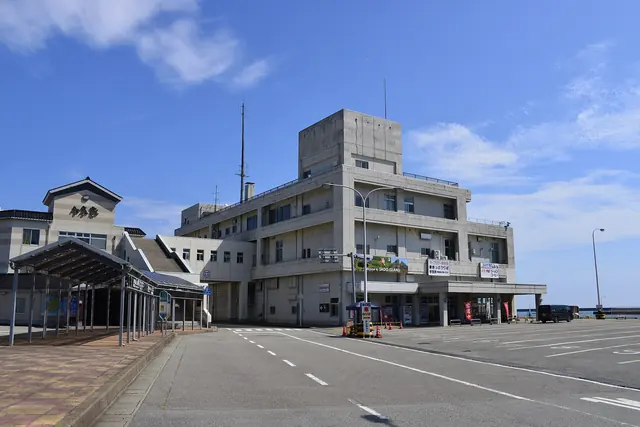
If one place in Japan stands for taiko, it is Sado, an island off the coast of Niigata Prefecture. It is home to Kodo, the professional ensemble that has taken taiko to stages around the world. The Earth Celebration website gives the numbers: "Since its debut at the Berlin Festival in 1981, Kodo has given over 7,000 performances in more than 50 countries and regions worldwide." In 2026 the group is marking its 45th anniversary, and its home page lists a US tour for January to March 2027 and a Kodo Taiko School.

Kodo in three numbers
- 1981debut at the Berlin Festival
- 7,000+performances
- 50+countries and regions
Play the drums at Tatakokan
The easiest way for a visitor to play on Sado is the Sado Island Taiko Centre, known in Japanese as Tatakokan. It is run by the Kodo Cultural Foundation and stands on high ground next to Kodo Village, in the Ogi area of the island. The hall is built of timber from Sado, and the Tohoku tourism board says its wide balconies look out over Mano Bay and the Osado mountains. Its hands-on sessions are taught by members of Kodo, and players beat out rhythms together and play drum games as a group.
You do not need to have played before. JNTO notes that "Most visitors to the center will have no prior experience of playing the taiko", that the teachers use simple spoken phrases to help people remember the rhythms, and that help in English is available. There are two kinds of session, and both must be booked at least two days ahead. The group course lasts 90 minutes and the individual course 60 minutes, and the Tohoku board adds that "the individual course will go ahead even with only one participant".
Tatakokan at a glance
- Run by: the Kodo Cultural Foundation, next to Kodo Village.
- Hours: 9:00 to 17:00.
- Closed: Mondays, or Tuesday when Monday is a public holiday.
- Taiko session, junior high school age and up: 3,000 yen per person.
- Taiko session, primary school age: 2,000 yen per person.
- Under school age: must come with an adult; one child free per adult, then 1,000 yen for each extra child.
- Booking: at least two days ahead; sessions may be shared with other guests.
- Access: wheelchair accessible, with parking for 25 cars.
Niigata's tourism site, which gives these prices, also warns that sessions can be called off when the hall is in use for an event or hire, so book early and keep a back-up plan for that day.
Getting to Tatakokan
- Cross to Sado from mainland Niigata by ferry or high-speed boat.
- Buses on the Shukunegi Line stop at Taiko Taiken Koryukan, right outside the centre.
- Driving, Ogi Port is about 10 minutes away, Akadomari Port 30 minutes and Ryotsu Port 60 minutes.
Earth Celebration in August
Every August, Sado City and Kodo host Earth Celebration, a three-day music festival around Ogi Port with taiko at its heart and guest artists from Japan and overseas. The main concerts take place each night on an open-air stage in the Harbour Market at Ogi Port Park, with indoor concerts at the EC Theatre, free Fringe performances and workshops in taiko and traditional dance. JNTO's description of the crowd is fair warning: "Don't be surprised to see people standing up and dancing along to the rhythm." The 2026 festival ran from 21 to 23 August, and the official site gives Friday 20 to Sunday 22 August as the dates for Earth Celebration 2027.
Earth Celebration 2027
- Dates: Friday 20 to Sunday 22 August 2027.
- Hosts: Sado City and Kodo.
- Main stage: outdoor concerts each night in the Harbour Market at Ogi Port Park.
- Also on: EC Theatre concerts, free Fringe shows, taiko and dance workshops.
- Tickets: prices are on the official site, not here.
Two ways to reach Ogi for the festival
- From Niigata Station, at the end of the Joetsu Shinkansen, get to Niigata Port by local bus or taxi and board the ferry for Ryotsu.
- In Ryotsu, ride the Main Line bus towards Aikawa as far as Sawata and change there to the Ogi Line bus.
- Or travel to Naoetsu Port in Joetsu, which buses link with Joetsu Myoko, a Hokuriku Shinkansen stop, and ride the Jetfoil to Ogi Port, about 1 hour.
- The Jetfoil from Naoetsu has two return sailings a day and none in the evening, so plan your night on the island.
Kodo's December concerts
Kodo also tours Japan at the end of the year. Its December Concerts 2026, the close of its 45th anniversary year, come to just three places: Sado itself, Niigata City and Tokyo. Each show runs about 1 hour 45 minutes with an interval, and the programme centres on the classic Kodo pieces. The Sado date is Sunday 6 December at 13:30 at Amusement Sado, and the Niigata dates are 12 and 13 December at 14:00 at the Niigata Prefectural Civic Center. The Tokyo run is in the next section.
Festivals where taiko leads the way
JNTO points visitors to festivals first: you can watch drumming at matsuri all over the country. In most festivals the drums are one part of a bigger show with floats, flutes and dancing, the subject of our festival guide. The four below are different, because in each of them the drum is the main event.

Morioka Sansa Odori, Iwate (1 to 4 August)
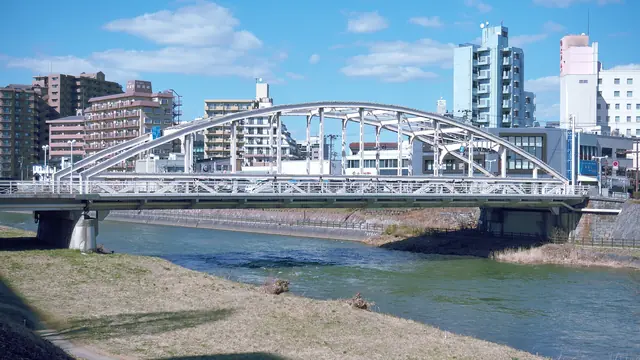
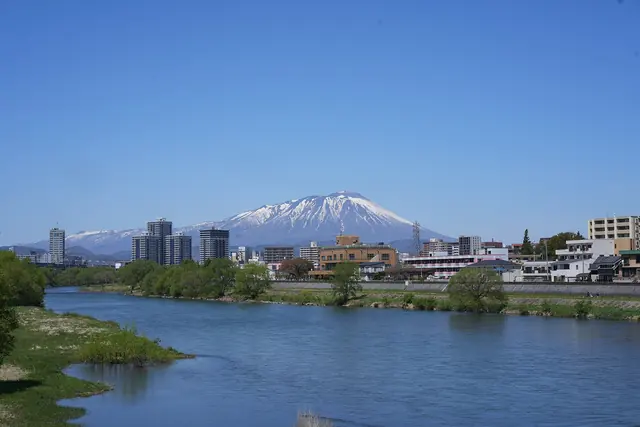
Sansa Odori is a parade dance in Morioka, a city in Iwate Prefecture in the Tohoku region. Large groups dance in step with drummers, flute players and chanting, and JNTO lists it as Iwate's biggest festival and counts it among Tohoku's five great festivals. It is held from 1 to 4 August every year, with the parades from 18:00 to 21:00.
It also holds a world record. Guinness World Records lists the largest Japanese drum ensemble as 3,437 drummers, organised by the festival committee at the Iwate Athletic Stadium in Morioka on 29 June 2014, roughly a month ahead of the 37th Sansa Odori. The players were children, students and adults who had practised for months. The festival itself began in 1978.
Sansa Odori at a glance
- When: 1 to 4 August every year, 18:00 to 21:00.
- Where: central Morioka; from Morioka Station, cross the Kaiun Bridge by the station and head about two blocks east.
- The route: a four-lane road running one block north of the city centre's main street.
- Record: 3,437 drummers played together on 29 June 2014, a Guinness record.
- Weather: JNTO warns that evenings can reach 30 to 35°C, so carry water.
The best part for a visitor is that you are invited in. JNTO says "Audience participation is actively encouraged in Sansa Odori." In the last half hour of each of the first three nights, and in the last hour of the final night, people from the crowd can join, dancing in rings around floats with the featured performers on board. The local groups in the main parade often start practising three months ahead and follow a dress code, so for most travellers joining in at the end is the realistic way to take part.
Kokura Gion Daiko, Kitakyushu (third weekend of July)
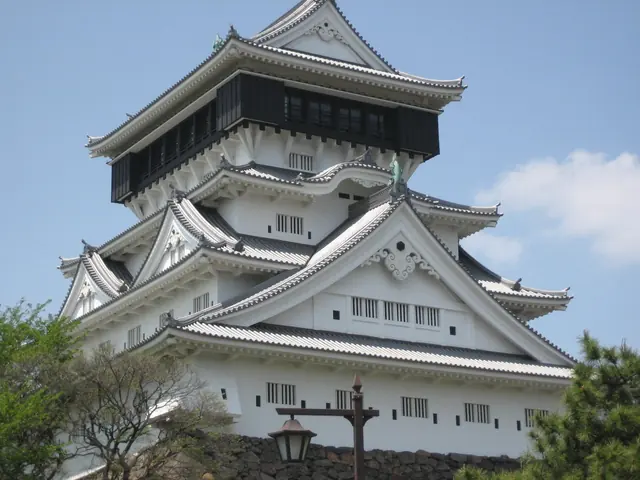
Kokura, a central district of Kitakyushu City in Fukuoka Prefecture, grew up as the town below Kokura Castle. Its Gion festival goes back some 400 years, and Visit Fukuoka, the prefecture's tourism site, says no taiko festival before it had been named a nationally important intangible folk cultural property.
How Kokura's drums found their place
- 1617: Hosokawa Tadaoki starts the festival on the model of Kyoto's Gion festival, the preservation society says.
- Edo period: a procession of floats, music and dance from each district of the town.
- Meiji and Taisho eras: the drums move to their present place, at the front and back of each float.
What makes Kokura special is the way the drums are played. Drummers pull floats with drums on them through the streets and beat both faces of each drum as they walk, a style the society says is rare in Japan. The beat is held together by a hand gong, the jangara, and by the music of the children who pull the floats. On the final day there is a show of skill near Kokura Castle open to drummers of any age, and a contest for children up to junior high school age is held on the middle day.
Kokura Gion Daiko 2027
- Dates: Friday 16 to Sunday 18 July 2027, the three days around the third Saturday of July.
- Friday: Yoi Gion, the first day, with floats in the streets of Kokura Kita Ward.
- Saturday: the children's contest and Omotenashi Taiko at the Kokura Castle exit deck of JR Kokura Station.
- Sunday: Omotenashi Taiko at Katsuyama Bridge and the open show of skill on the castle's history path.
- Access: a walk of about 15 minutes from Kokura Station, or 10 minutes from Nishi-Kokura Station.
Omotenashi Taiko, which means drumming as hospitality, is the visitor's chance to have a go: Visit Fukuoka says this event "allows visitors to touch and actually beat the taiko drums". The preservation society has 109 member groups as of the end of April 2026, and each one helps to plan and run the festival.
Gojinjo Taiko, Wajima, Ishikawa (summer)
Gojinjo Taiko belongs to Nafune, a village that is part of Wajima City on the Noto Peninsula. It goes back to the legend of 1576, when the warlord Uesugi Kenshin was pushing into the east of the peninsula to take Nanao Castle. The villagers, with no weapons to fight, beat drums in the dark while "wearing masks made of tree bark and with seaweed on their heads to give the appearance of tangled long hair", and the attackers, says JNTO, ran. The drumming that re-tells the story is held each summer at the Nafune Grand Festival, and both Wajima City and Ishikawa Prefecture have named it an Intangible Cultural Asset.
Osuwa Daiko, Suwa, Nagano
The Suwa area of Nagano is where the modern ensemble style began, and Osuwa Daiko is still kept alive there by its preservation society, founded by Daihachi Oguchi in 1953. His timeline records that in 1953 the society began offering drumming at Suwa Shrine again, later every year on 1 August and 1 January. The page used for this guide is a history of its founder rather than a visitor guide, so this site does not list a performance you can book; look for Osuwa Daiko on local event listings if you are in Suwa.
Four drum festivals compared
- Sansa Odori, Morioka: 1 to 4 August; dance with drums, and the crowd joins at the end.
- Kokura Gion Daiko, Kitakyushu: mid-July; drums on floats, played on both faces while walking.
- Gojinjo Taiko, Wajima: summer; masked drummers re-tell a legend of 1576.
- Osuwa Daiko, Suwa: the birthplace of the ensemble style; offerings at Suwa Shrine.
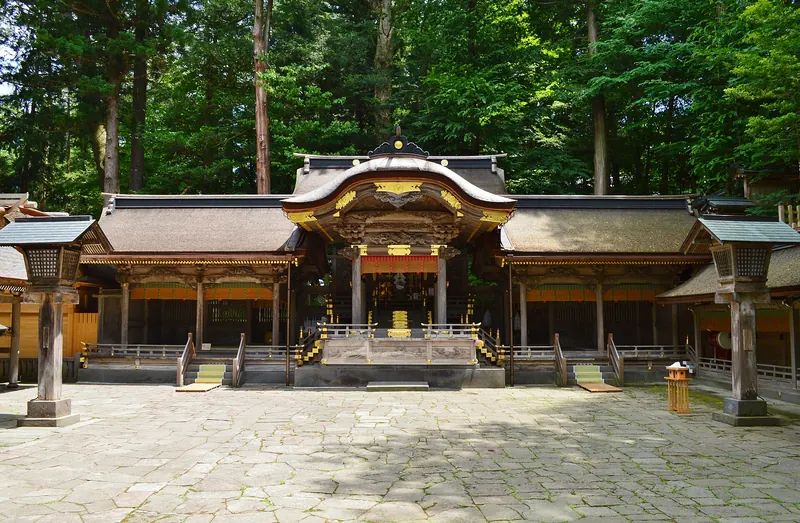
Taiko in Tokyo: concerts, a drum museum and a studio
Even a short stay in Tokyo can cover three sides of taiko: a professional concert, a museum full of drums and a lesson where you play yourself.
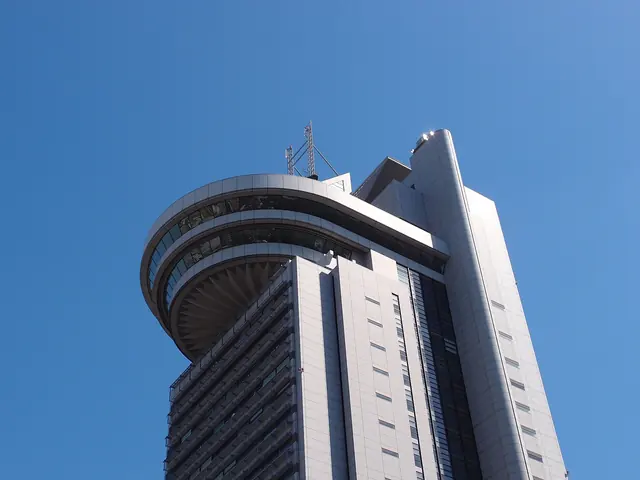
Kodo at Bunkyo Civic Hall, 17 to 20 December 2026
The last stop of Kodo's December Concerts 2026 is the Main Hall of Bunkyo Civic Hall in Bunkyo Ward, with shows at 14:00 from Thursday 17 to Sunday 20 December. The cast for Niigata and Tokyo includes the ensemble leader, Yuichiro Funabashi, who also directs the show. General ticket sales for Tokyo opened on 13 September; prices are not given here.
Kodo December Concerts 2026
- Sado: Sunday 6 December, 13:30, Amusement Sado (Main Hall).
- Niigata: Saturday 12 and Sunday 13 December, 14:00, Niigata Prefectural Civic Center (Main Hall).
- Tokyo: Thursday 17 to Sunday 20 December, 14:00, Bunkyo Civic Hall (Main Hall).
- Length: about 1 hour 45 minutes, including an interval.
- Programme: core Kodo classics, played by a cast of several generations.
Kodo plays Tokyo at other times of year too. In June 2026 it gave a five-day run called Elysian at Asakusa Public Hall, also part of its anniversary series, so check the events page on Kodo's site if your trip falls outside December. If you are building an evening of Japanese stage arts, our guide to kabuki tickets covers another of Tokyo's stage arts.
The Drum Museum in Asakusa
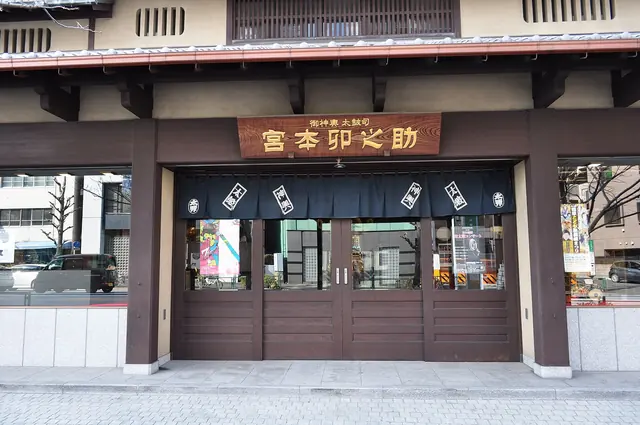
On the fourth floor of the Miyamoto Unosuke store in Nishi-Asakusa is the Drum Museum, Taikokan. Miyamoto Unosuke Shoten sells drums, festival goods and portable shrines, and it opened the museum in 1988 to show the public drums it had gathered worldwide. GO TOKYO puts the collection at around 800 drums, "ranging from giant to hand-held", from Asia and Africa as well as Europe and the US, and some of them may be played.
Visiting the Drum Museum
- Where: 4F, Miyamoto Unosuke Nishi-Asakusa store, 2-1-1 Nishi Asakusa, Taito City.
- Station: Tawaramachi on the Ginza Line, Exit 3, then 2 minutes on foot.
- Open: Wednesday to Sunday and public holidays, 11:00 to 16:00; last entry 30 minutes before closing.
- Closed: Mondays, Tuesdays and the New Year holidays, though Monday public holidays are open days.
- Entry: 500 yen, cash.
- Inside: an elevator and a multi-purpose toilet; help in Japanese and English.
The Nippon Taiko Foundation's news page also lists a 7th Asakusa Taiko Festival among its events. Check the foundation's site for the next one before you plan around it.
A drumming studio in Aoyama
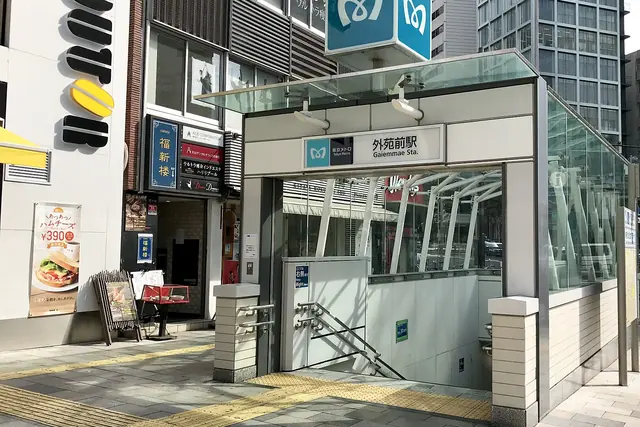
To play rather than watch, GO TOKYO lists a Japanese drum workshop at Taiko-Lab Aoyama in Shibuya. It promises that anyone who enjoys rhythm will find playing the drum gripping, and the session is offered in Japanese and English.
Taiko-Lab Aoyama
- Address: 3-1-30 Jingumae, Shibuya City.
- Station: Gaienmae on the Ginza Line, Exit 3, then 4 minutes on foot.
- Hours: 10:00 to 22:00 on weekdays; 10:00 to 18:00 on weekends and holidays; last entry 10 minutes before closing.
- Closed: on irregular days.
- Price: 6,160 yen for the Japanese taiko drum experience.
- Payment: cash, Visa, JCB, Mastercard or American Express.
Taking a taiko class: what to expect, with kids too
JNTO's advice is short: "to understand taiko drums more, take a beginner's class." At Tatakokan on Sado, JNTO and the Tohoku tourism board describe a session that runs roughly like this.
How a first session usually runs
- Watch an instructor play the big odaiko drum.
- Pick up sticks in a size that suits you.
- Learn short rhythms with the help of spoken phrases that are easy to remember.
- Play drum games and rhythms together with the rest of the group.
Three places to play
- Tatakokan, Sado: taught by Kodo members; 90-minute group or 60-minute individual courses; book two days ahead.
- Taiko-Lab Aoyama, Tokyo: a city studio near Gaienmae Station; 6,160 yen.
- Taiko no Sato, Hakusan: play drums and make a miniature one at a drum maker's centre in Ishikawa.
Taiko for children
Tatakokan sets its prices with families in mind: 2,000 yen for primary school age, and children under school age must come with an adult, with one free for each adult. At festivals, Kokura's Omotenashi Taiko lets visitors try the drums, and Sansa Odori in Morioka invites the crowd into the dance at the end of each night. Our family travel guide has more ideas for travelling with young children.
Before you book a class
- Check the minimum age and whether a parent must play too.
- Ask whether the session is shared with other guests or private.
- Book early: Tatakokan asks for at least two days' notice.
- Ask whether the session can be cancelled for a hall event.
- Allow travel time: Sado sessions mean a ferry and a bus or car.
A taiko calendar for your trip
Taiko is easy to find all year, but the big festivals come in summer and the main concert run in December. The table below puts the dates in this guide in one place.
| When | What | Where |
|---|---|---|
| All year, except Mondays | Tatakokan sessions, booked ahead | Ogi, Sado Island, Niigata |
| All year, irregular closures | Taiko-Lab Aoyama workshop | Aoyama, Tokyo |
| Wednesday to Sunday | Drum Museum | Asakusa, Tokyo |
| Spring to autumn | Free Gojinjo Taiko shows, check first | Wajima, Ishikawa |
| 16 to 18 July 2027 | Kokura Gion Daiko | Kitakyushu, Fukuoka |
| 1 to 4 August | Sansa Odori | Morioka, Iwate |
| Summer | Nafune Grand Festival, Gojinjo Taiko | Wajima, Ishikawa |
| 20 to 22 August 2027 | Earth Celebration | Ogi, Sado Island, Niigata |
| 6 to 20 December 2026 | Kodo December Concerts | Sado, Niigata City, Tokyo |
Frequently asked questions
What is taiko drumming?
It is the art of playing taiko, the big Japanese drums of wood and hide, usually in a group. The modern ensemble style, with many drums of different sizes played together, was created in Nagano in 1951.
Where does taiko drumming come from?
Japan has used these drums for centuries, at court, in war and at shrines and festivals. The stage ensemble you see today grew from the work of Daihachi Oguchi, who rebuilt the old Osuwa Daiko music in Suwa and created the Kumi Daiko style.
Where can I see taiko drumming in Japan?
Sado Island is the home of Kodo and of the Earth Celebration festival in August. Morioka's Sansa Odori from 1 to 4 August and Kokura Gion Daiko in mid-July are festivals led by drums, and Kodo plays concerts in Sado, Niigata and Tokyo in December.
Can I take a taiko lesson in Tokyo?
Yes. GO TOKYO lists a Japanese drum workshop at Taiko-Lab Aoyama, near Gaienmae Station, for 6,160 yen, offered in Japanese and English.
Is taiko drumming good for kids?
Yes, children can join. At Tatakokan on Sado, primary school children pay 2,000 yen, and children under school age join free with an adult, one per adult.
Do I need any experience?
No. JNTO says most visitors to the taiko centre on Sado have never played before, and the teachers use easy spoken phrases to help you remember the rhythms.
When is Earth Celebration 2027?
From Friday 20 to Sunday 22 August 2027, around Ogi Port on Sado Island.
Sources
Official and primary sources used for this page. Checked November 11, 2026.
- JNTO: Cultural Experiences in Japan — taiko's past and beginner classes
- Osuwa Daiko: History, Daihachi Oguchi — Kumi Daiko, timeline, Kawanakajima legend
- Nippon Taiko Foundation — founding date, Asakusa Taiko Festival
- Agency for Cultural Affairs: Uto rain-prayer drums (in Japanese) — Uto's 29 drums
- Ishikawa Travel: Asano Drums Experience — Taiko no Sato
Show all 21 sources
- GO TOKYO: Drum Museum — hours, entry, access
- JNTO: Sado Island Taiko Centre — drums, lessons, bus
- Tohoku Tourism: Sado Island Taiko Centre — courses, booking, drive times
- Niigata Kanko Navi: Tatakokan (in Japanese) — prices, hours, old drum
- JNTO: Earth Celebration — festival and access
- Earth Celebration — 2026 and 2027 dates, Kodo, Miyake-jima
- Kodo — tours, taiko school
- Kodo: December Concerts 2026 — dates and venues
- Kodo: Tokyo ticket news — sale date, date conflict
- Kodo: Performance in Asakusa 2026 — June run
- JNTO: Sansa Odori Festival — dates, joining in, access
- Guinness World Records: Largest Japanese drum ensemble — 3,437 drummers
- Visit Fukuoka: Kokura Gion Daiko — history, style, access
- Kokura Gion Daiko Preservation Society (in Japanese) — 2027 schedule, 1617
- JNTO: Nafune Village Gojinjo Taiko — legend, shows, access
- GO TOKYO: Wadaiko Workshop — Taiko-Lab Aoyama
Related guides
To cite or link to this page: Taiko drumming in Japan: what it is and where it came from, the drums, Sado Island and Kodo, festivals led by drums, taiko in Tokyo, and how to take a first class, children included — Japan Pocket Guide, https://japanpocketguide.com/culture/taiko-drumming/